



CBD has gone from a niche product to a regular part of many daily routines in recent years. You’ll spot the term more and more often—in drugstores, online shops, and chats with friends. Still, a lot of people aren’t quite sure what it actually is. Is CBD the same as cannabis? Does it make you high? And what’s it even good for? In this article, we’ll clear up the most important questions about cannabidiol—straightforward, easy to understand, and without exaggeration.
What is CBD?
CBD stands for cannabidiol—one of over 100 active compounds that naturally occur in the hemp plant (Cannabis sativa). These compounds are called cannabinoids. The most well-known among them is THC (tetrahydrocannabinol), which is the substance responsible for the intoxicating effects of cannabis. CBD is fundamentally different: it is not psychoactive and does not cause a high.
CBD is mostly extracted from EU-certified industrial hemp. These hemp varieties are specially bred to have a high CBD content and a very low THC content—usually under 0.3%. That means they are not subject to the Narcotics Act and are freely available in Germany.
How does CBD work in the body?
Every person has what’s called an endocannabinoid system (ECS). This biological system is part of the nervous system and is made up of receptors found throughout the body—in the brain, immune system, skin, and many organs. The ECS helps regulate various body functions, including:
- Sleep-wake cycle
- Mood and stress response
- Pain perception
- Immune function
- Appetite and digestion
The body produces its own cannabinoids (endocannabinoids), which bind to special receptors—CB1 and CB2. CBD doesn’t bind directly to these receptors, but instead influences the ECS indirectly. Among other things, it slows down the breakdown of the body’s own endocannabinoids, so they can work longer. CBD also interacts with other receptor systems in the body, such as the serotonin receptor 5-HT1A and the vanilloid receptor TRPV1.
Research into how CBD works is still ongoing. What is clear, though: CBD acts in several areas of the body and has a broad range of effects—without causing a high.
CBD vs. THC – the key difference
CBD and THC are the two best-known cannabinoids, but they’re often mixed up. Yet their effects could hardly be more different:
| Property | CBD | THC |
|---|---|---|
| Psychoactive effects | No | Yes – causes a high |
| Legal in Germany | Yes (if product contains less than 0.3% THC) | No (except with a doctor’s prescription) |
| Potential for dependence | None known | Possible with regular use |
| Relevant for driver’s license | No (CBD itself is not tested) | Yes |
| WHO classification | Well tolerated, no potential for abuse | Controlled substance |
Both substances naturally occur in the hemp plant, but they have fundamentally different effect profiles. Products made from industrial hemp that comply with the legal THC limit are freely available in Germany and are not subject to restrictions on purchase or possession.
The different CBD product forms
The variety of CBD products has grown a lot in recent years. Depending on your preferences, lifestyle, and how you want to use it, there are several options:
CBD oil
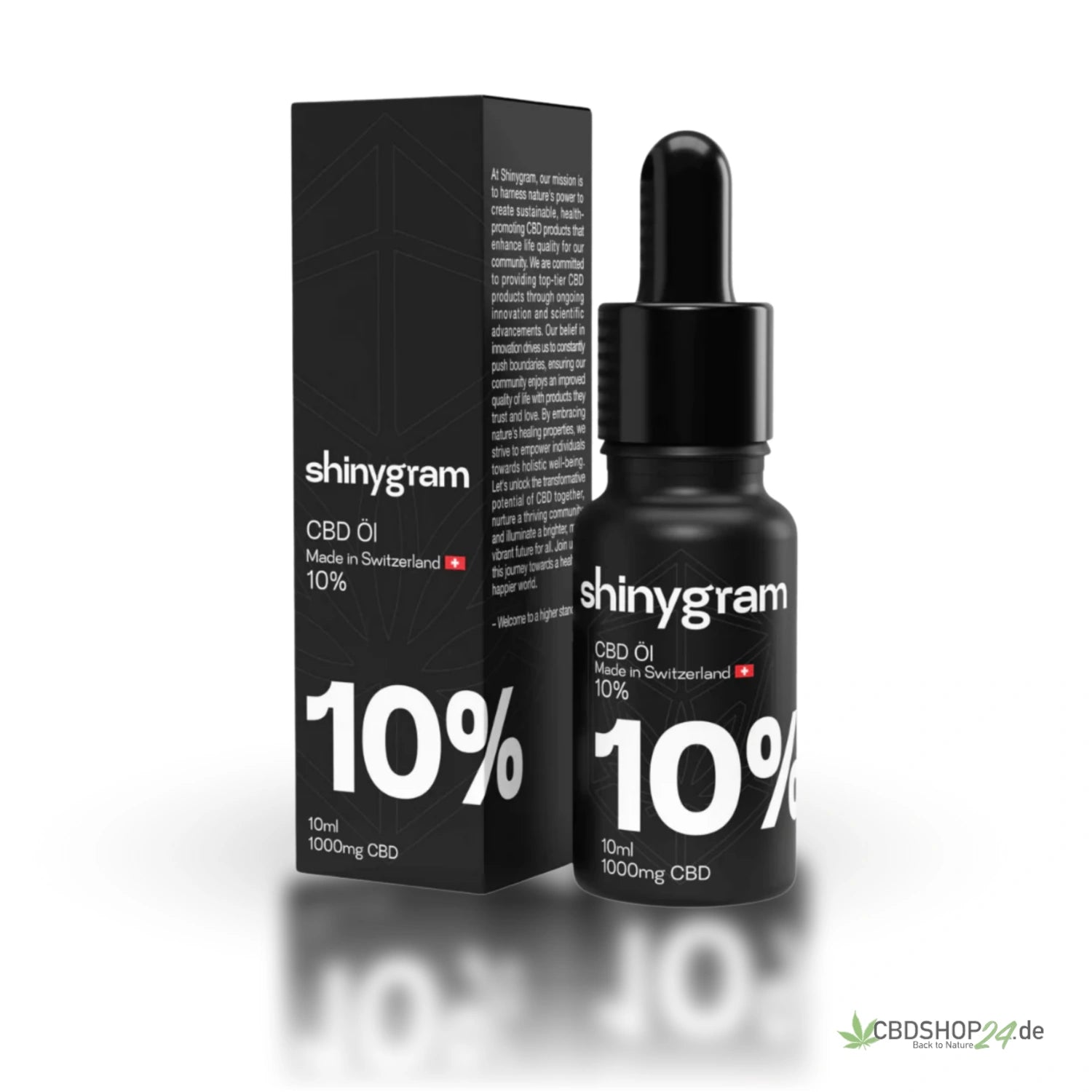
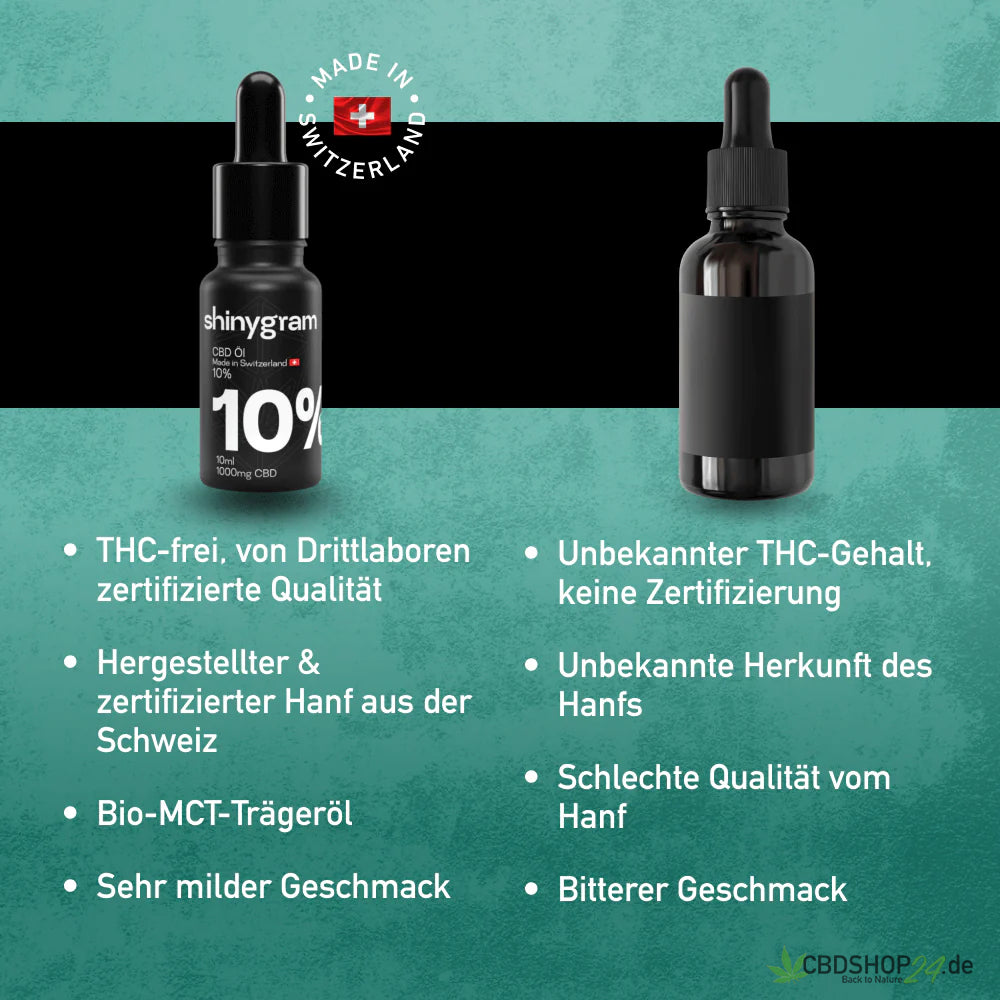
CBD oil is still the most popular CBD product. It’s taken sublingually—that is, dropped under the tongue—and absorbed through the mucous membranes in the mouth. The advantage of this method: the CBD quickly enters the bloodstream without having to pass through the digestive tract. CBD oils are available in various concentrations, typically from 5% to 30%, so you can adjust the dosage to your needs. Another plus is the precision: each drop contains a defined amount of CBD.
CBD Flowers
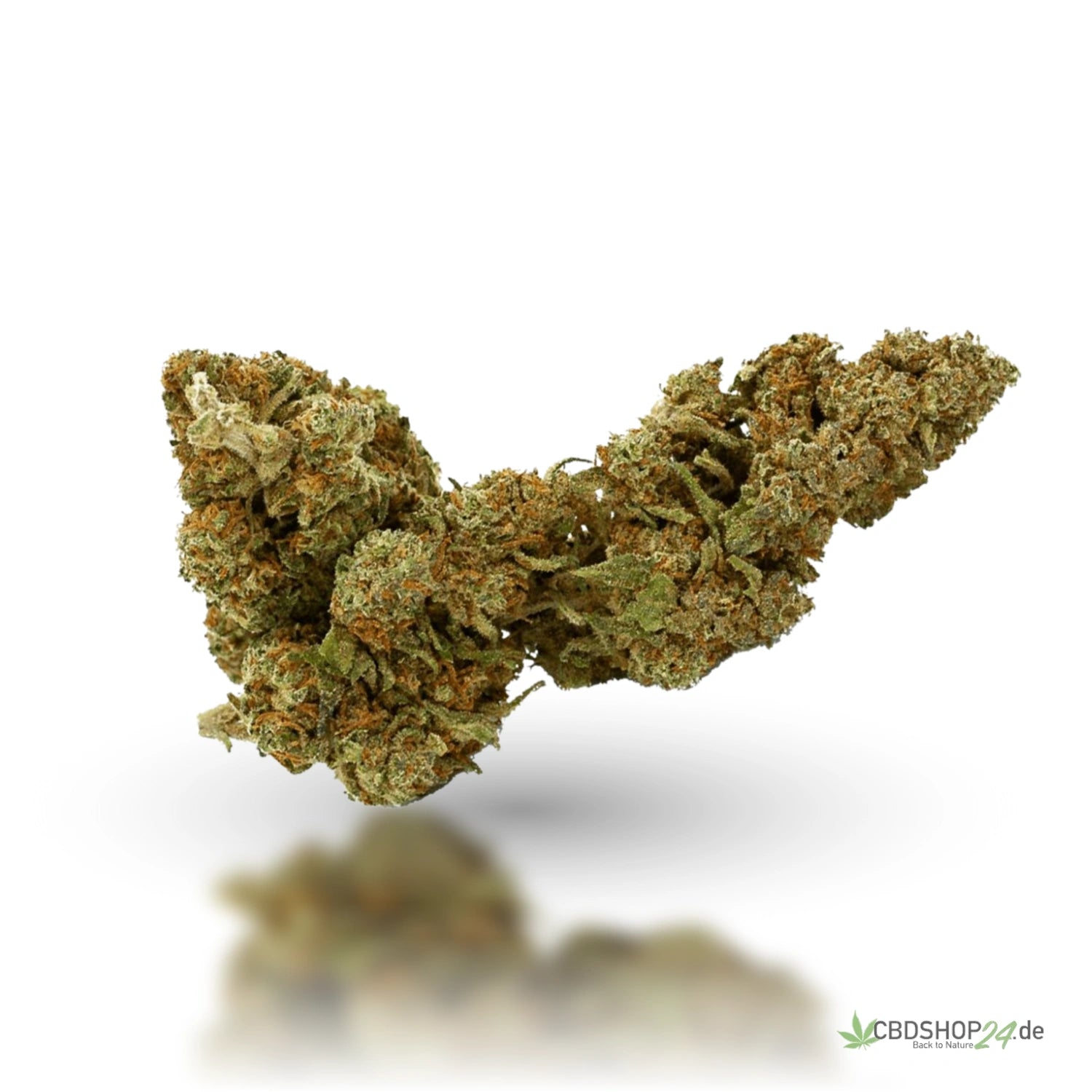
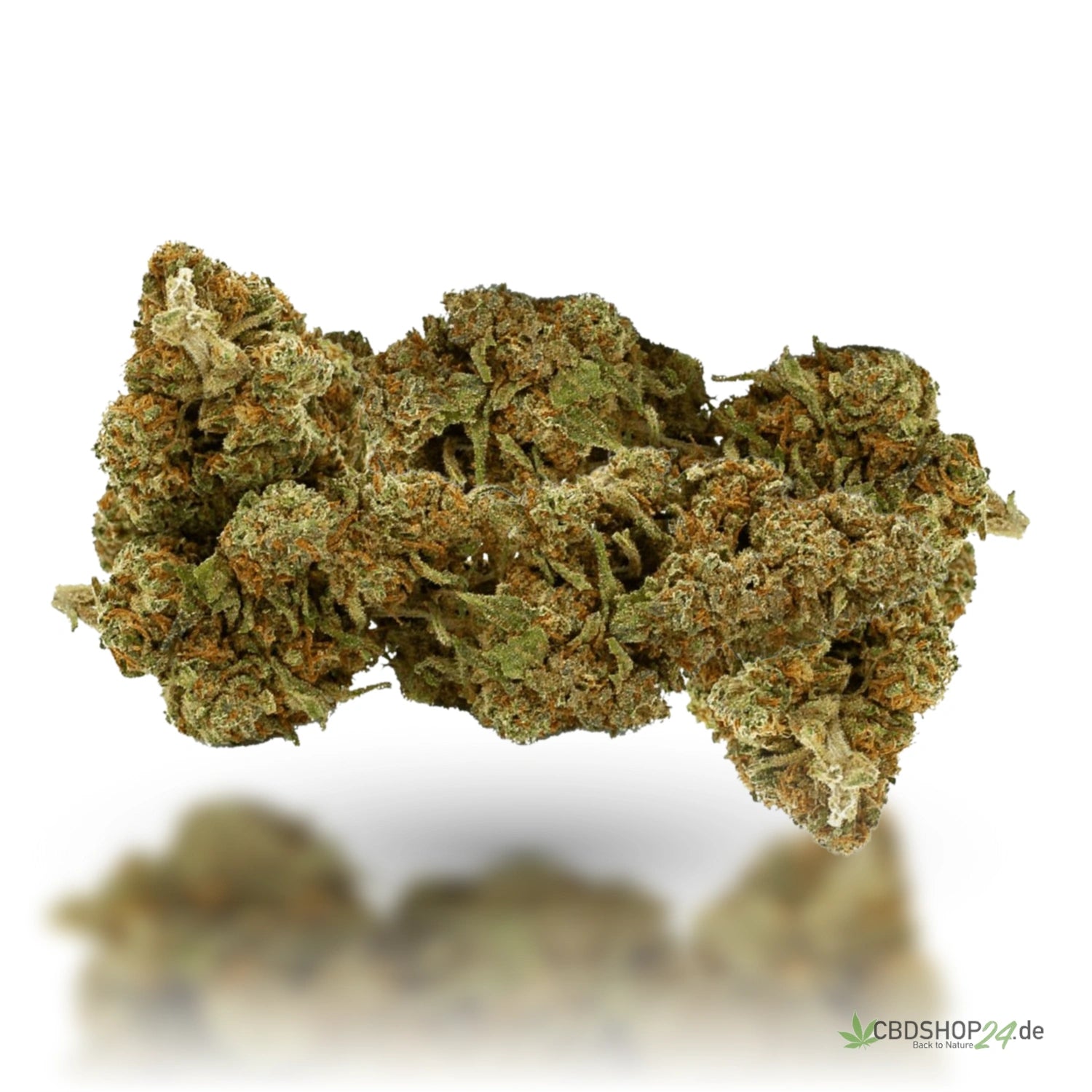
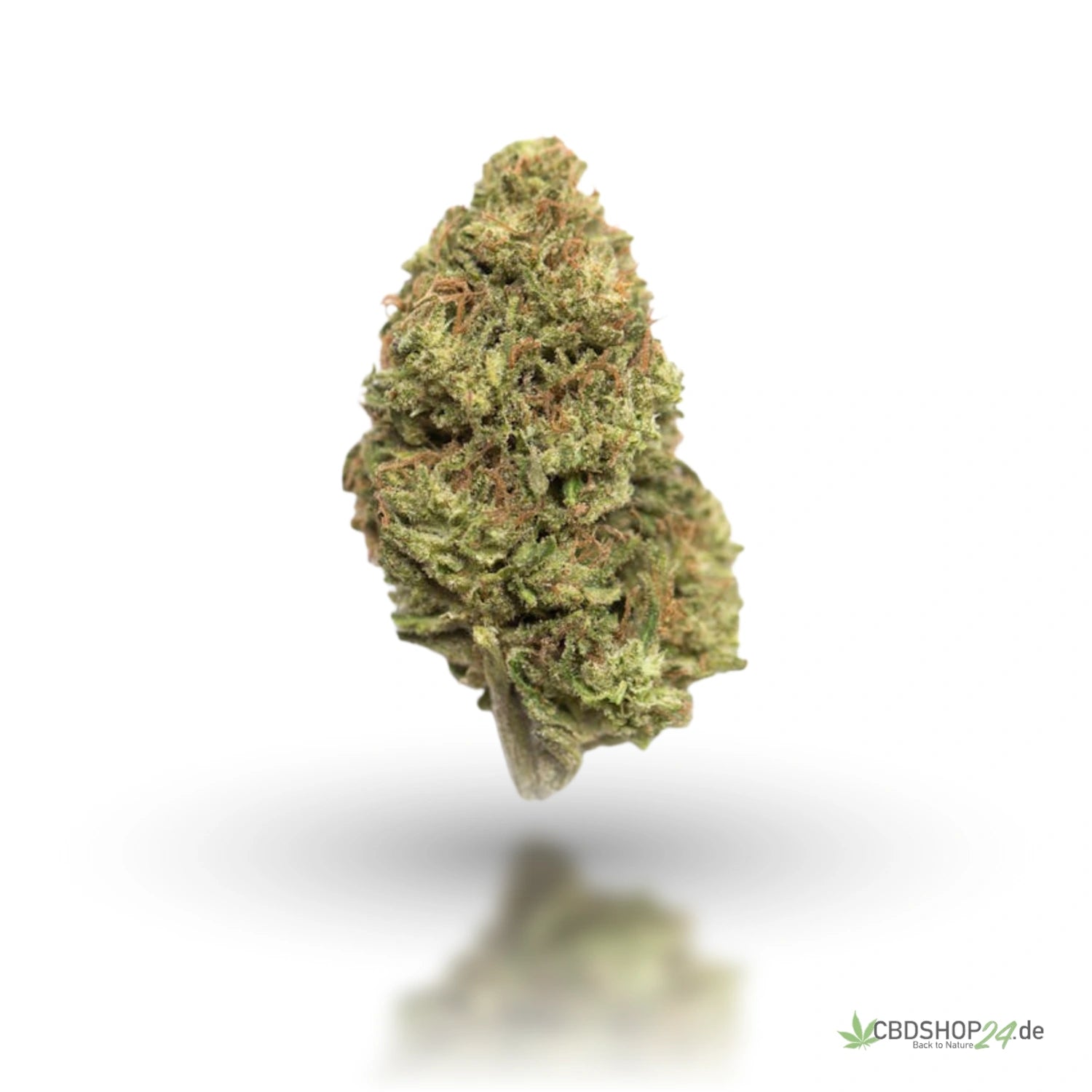
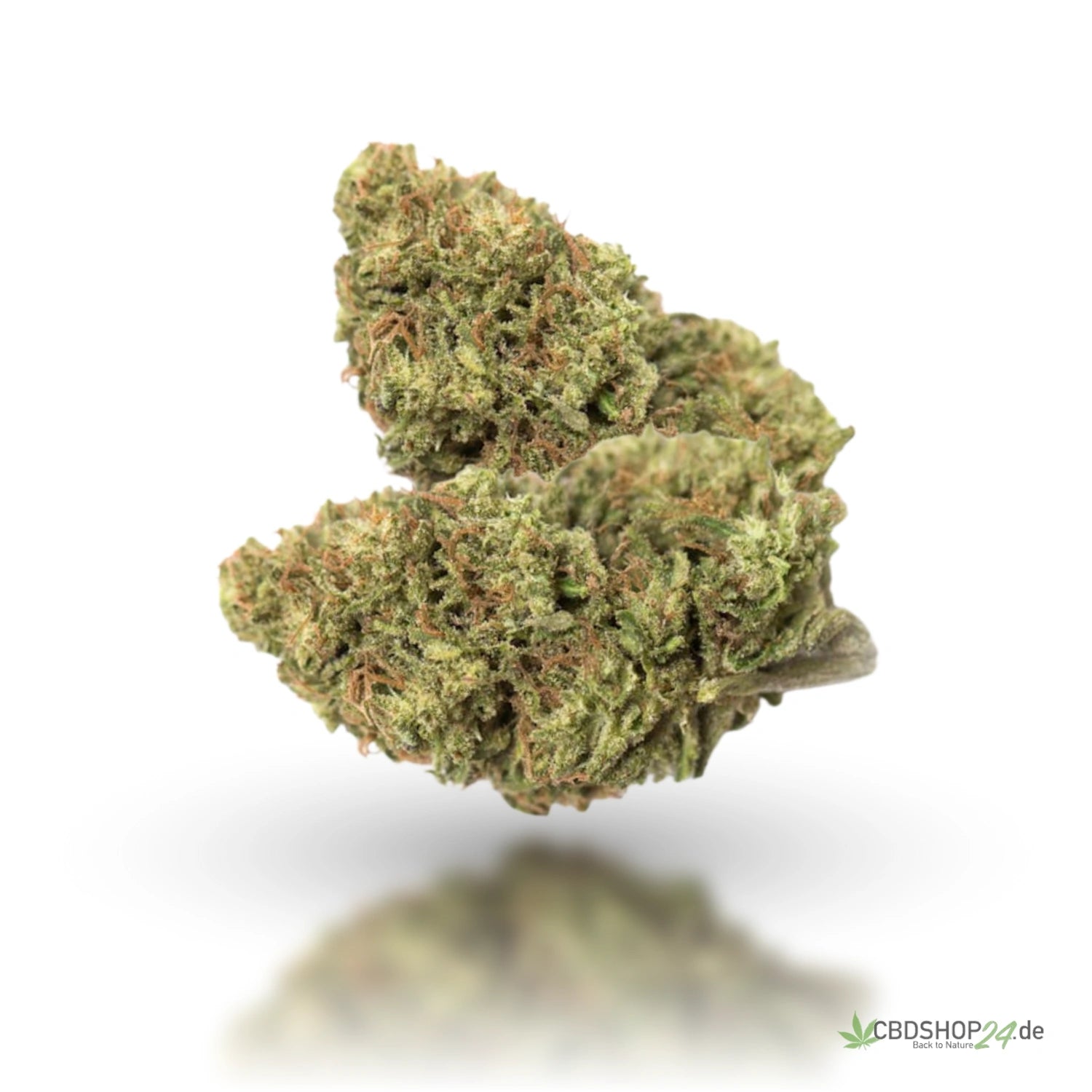
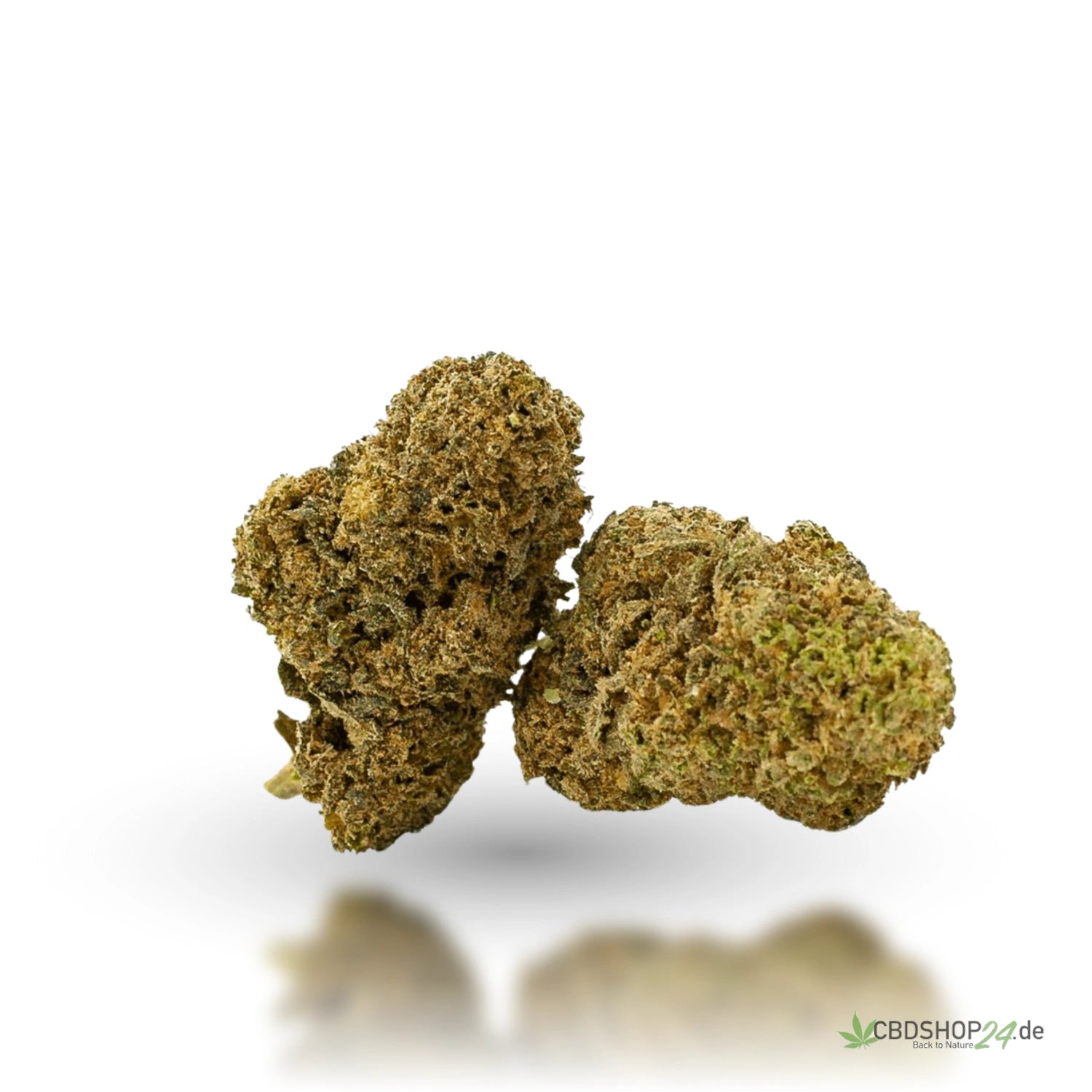
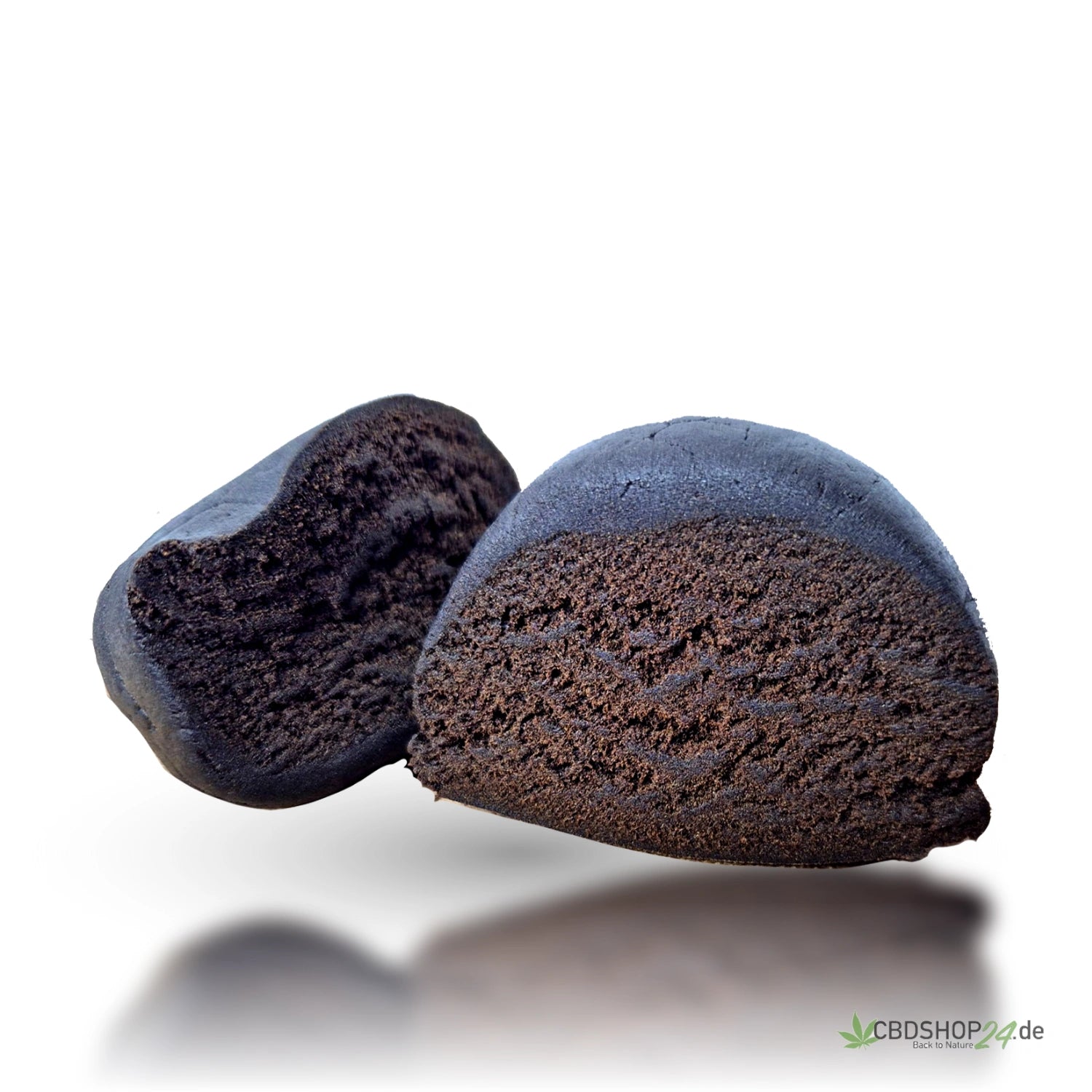
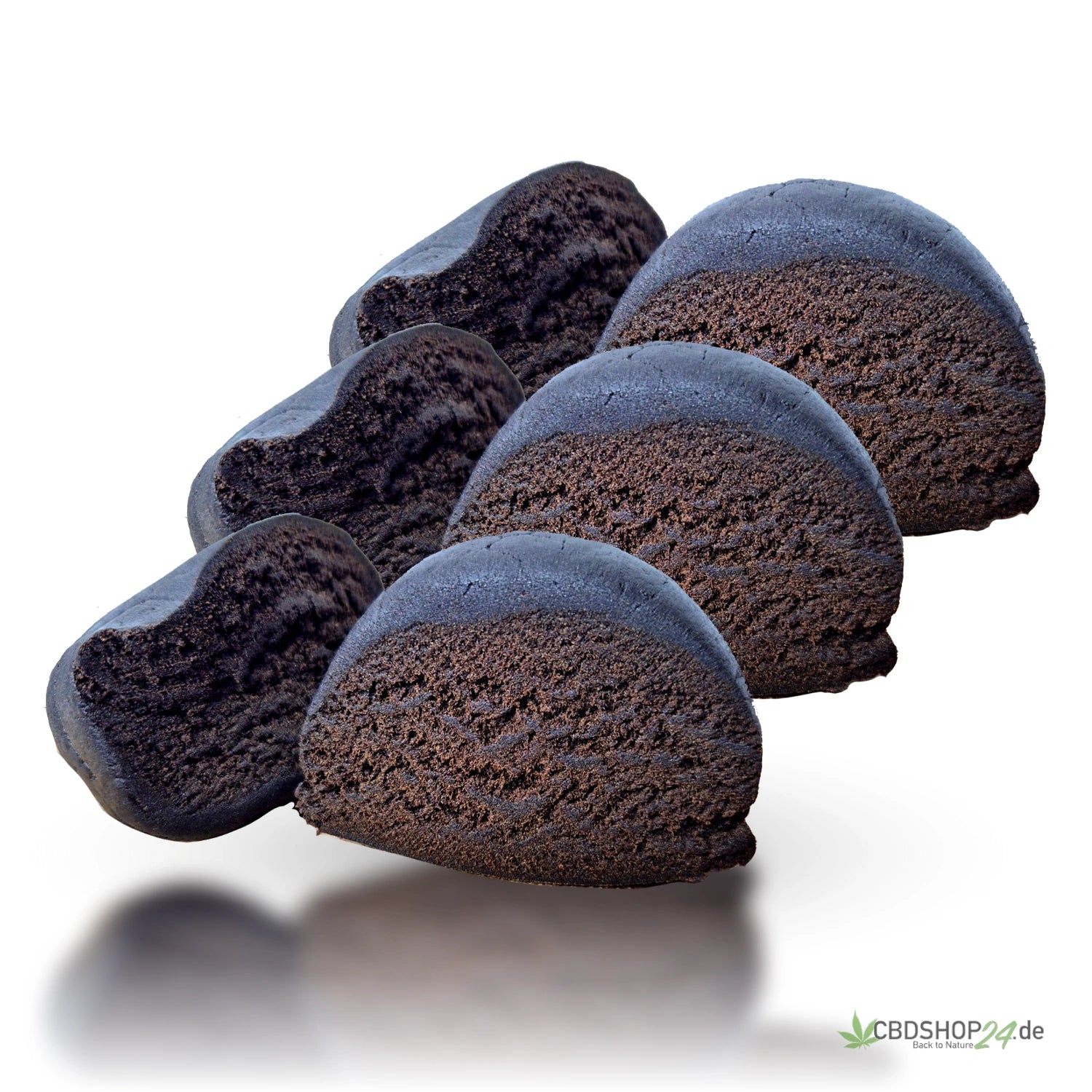
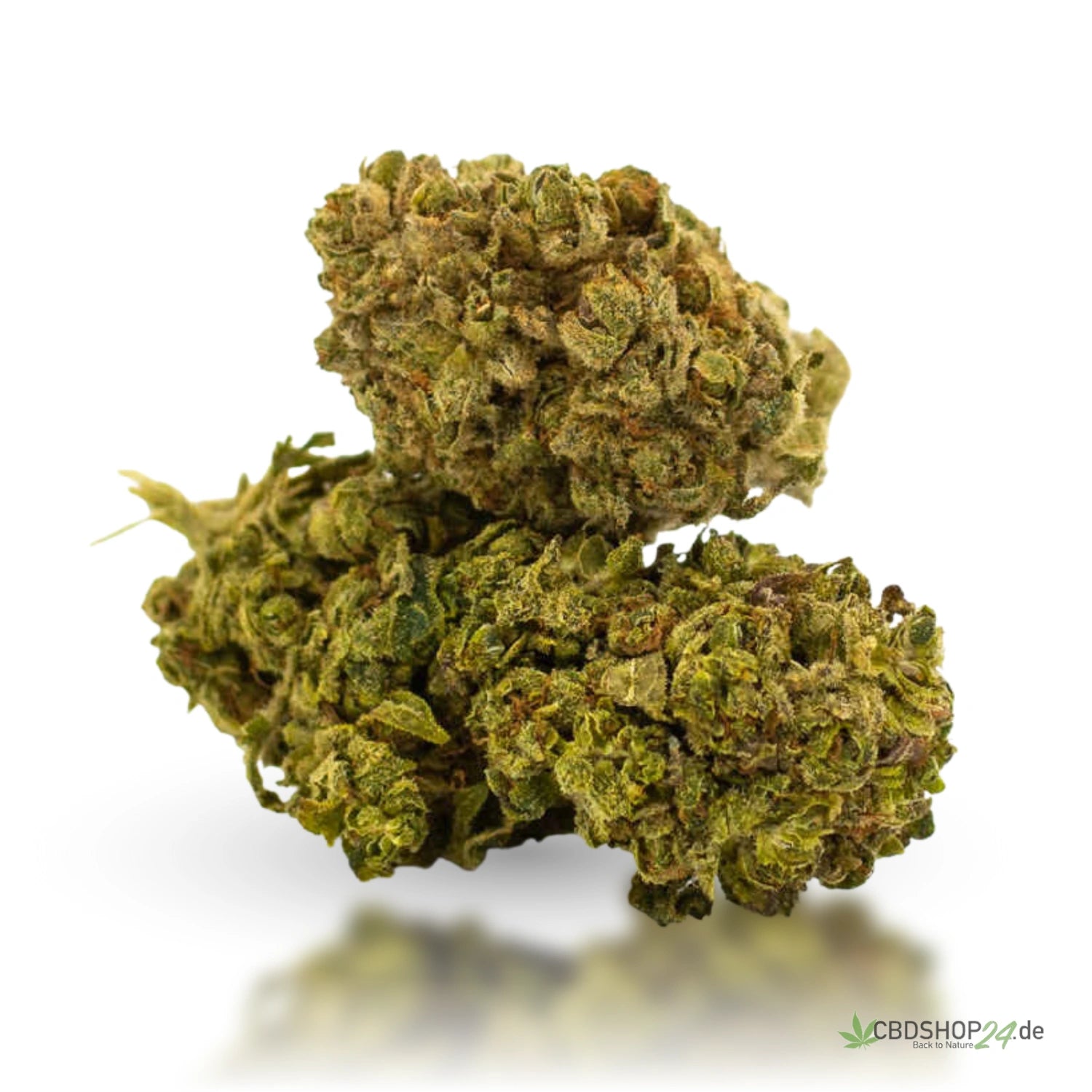
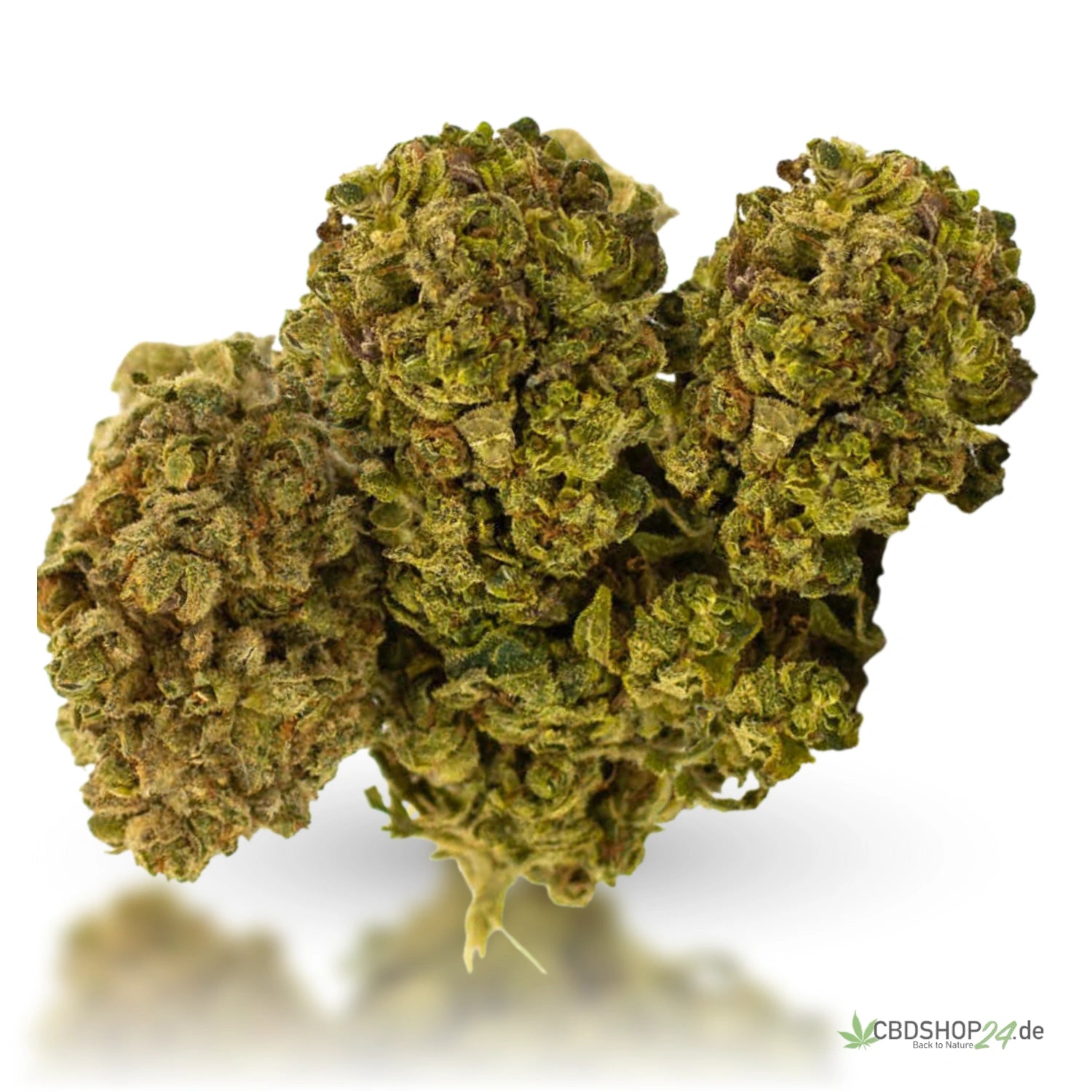
CBD Flowers are the dried flower clusters of the hemp plant. Along with CBD, they also contain other cannabinoids and terpenes in their natural composition. Flowers are typically vaporized in a Vaporizer at a controlled temperature or brewed as tea. The effects sets in within a few minutes when vaporized, making CBD Flowers appealing for those who prefer a fast effect. In terms of taste, different varieties offer a wide range of aromas—from fruity to earthy to spicy.
CBD vapes and Liquids
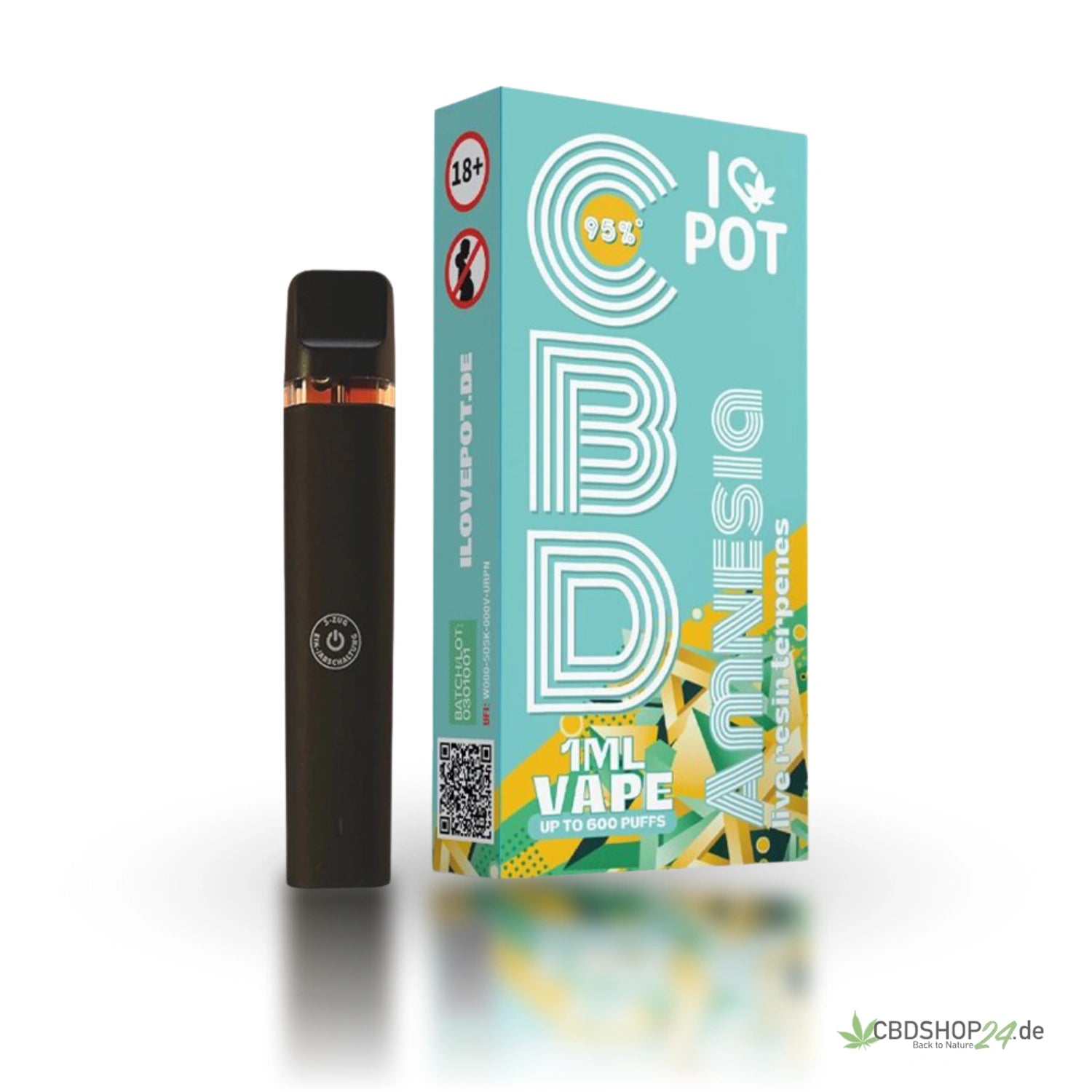
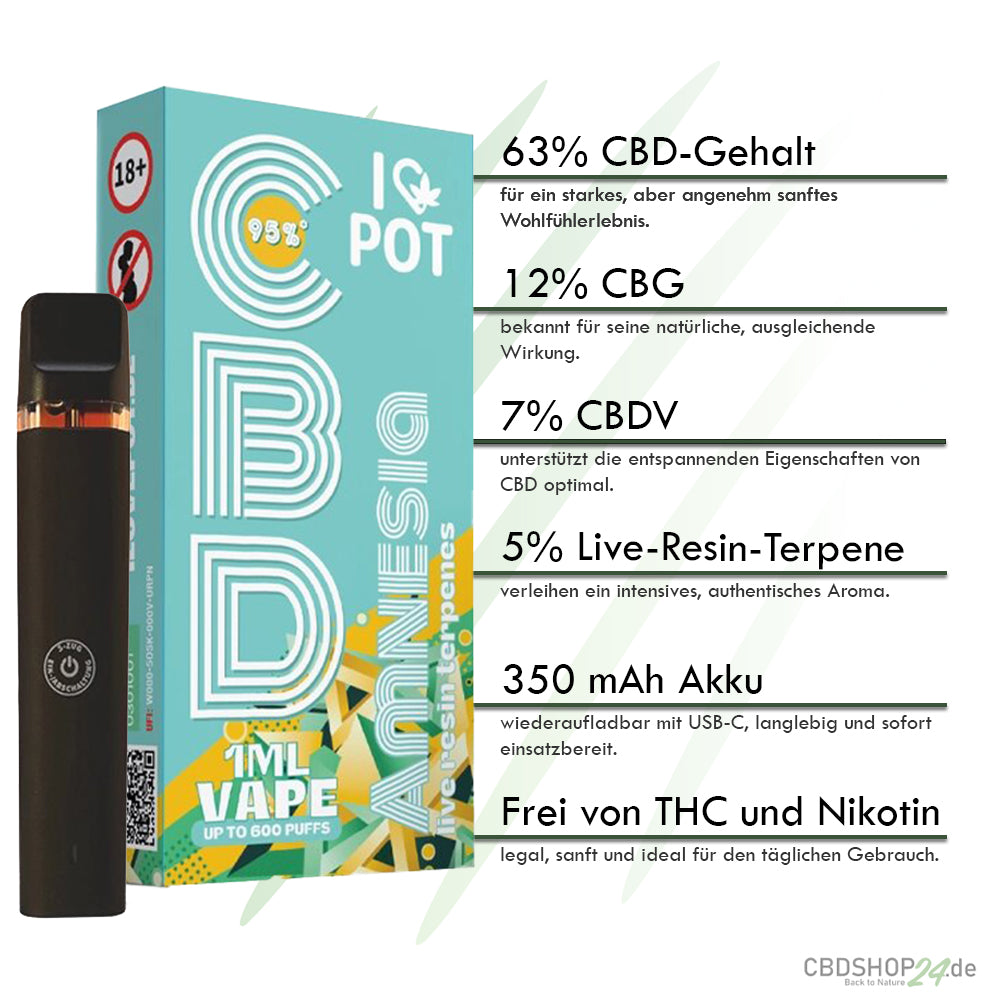
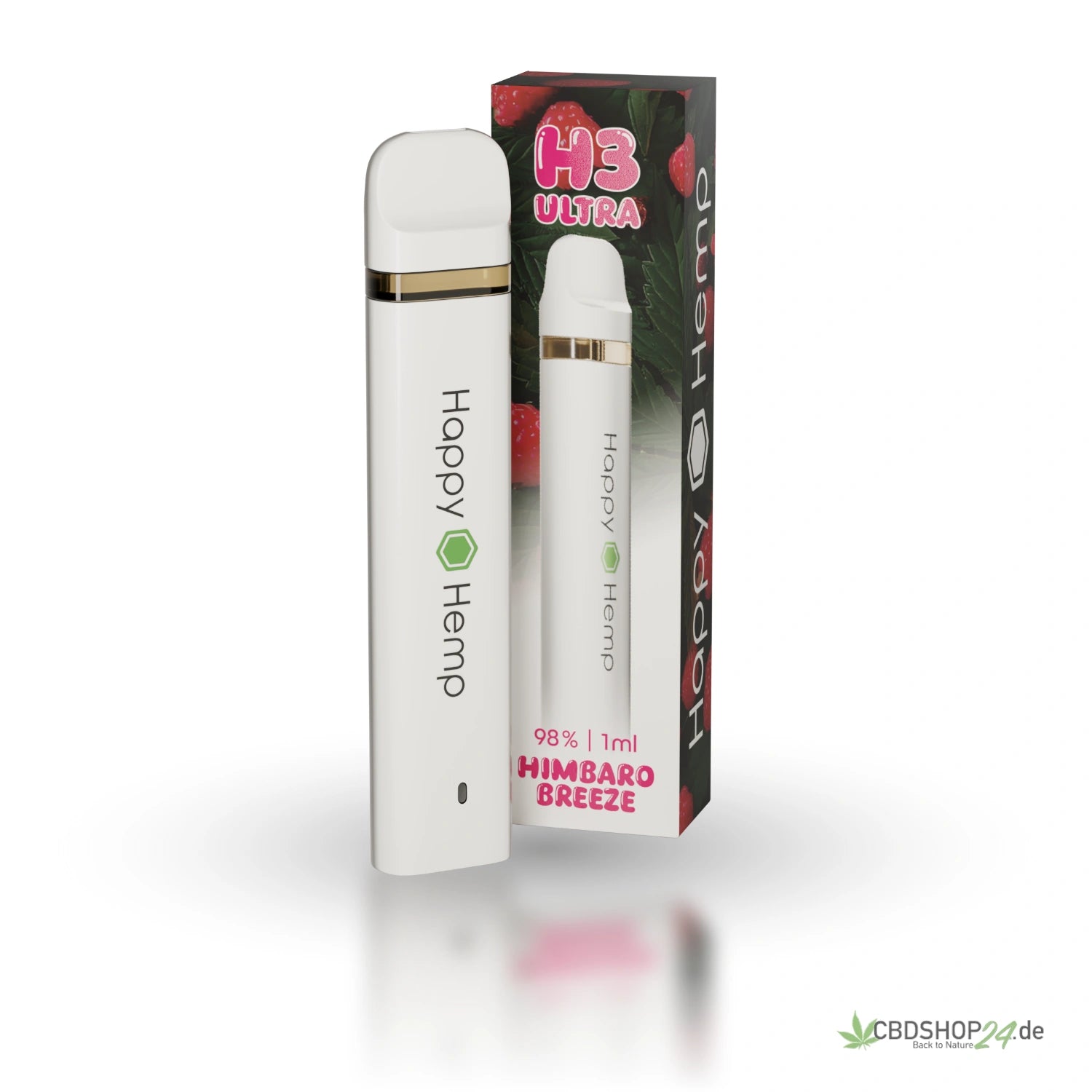
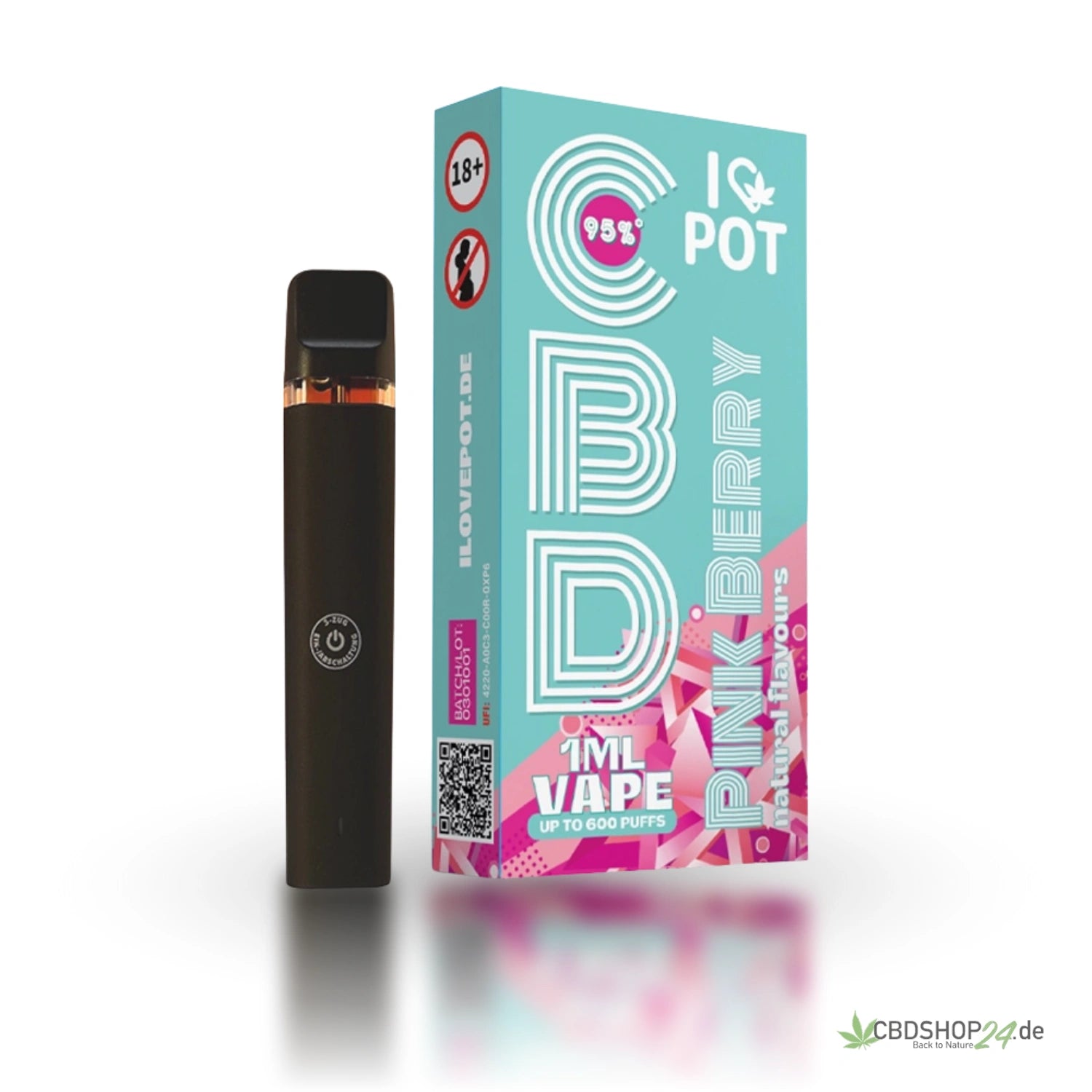
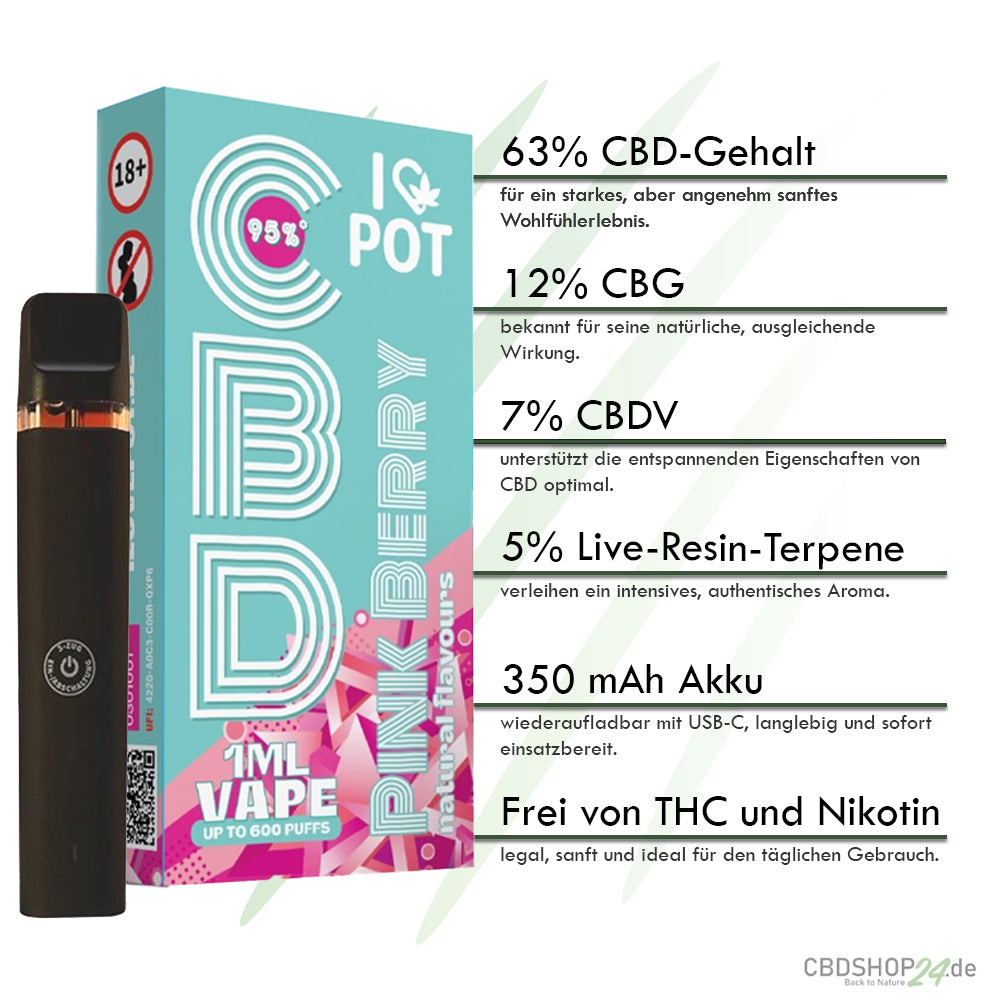
CBD Liquids are designed for use in e-cigarettes or special CBD Vape pens. As with Flowers, a key advantage here is the fast onset, since CBD is absorbed through the lungs. Liquids come in different flavors and CBD concentrations, making them a good option for users already familiar with vaping.
CBD cosmetics
CBD has also found its place in skincare. Creams, balms, and serums with CBD are applied directly to the skin and work locally. Since the skin has its own endocannabinoid system, CBD can be used specifically here. CBD cosmetics are suitable for anyone who wants to use CBD externally.
CBD for animals
Dogs and cats also have an endocannabinoid system. Special CBD products for animals are dosed according to the animal’s body weight and are often offered as oils or treats.
What you should look for when buying CBD products
The quality of CBD products on the market varies greatly. To make sure you get a safe and effective product, keep these points in mind:
| Criterion | What to look for | Why it matters |
|---|---|---|
| Lab analysis | Independent third-party testing, results publicly available | Confirms actual CBD and THC content and rules out contamination |
| THC content | Below 0.3% | Legal requirement for sale in Germany |
| Origin | EU-certified industrial hemp | Controlled growing conditions and approved varieties |
| Extraction method | CO2 extraction preferred | Especially gentle, no solvent residues |
| Product type | Full spectrum, broad spectrum, or isolate | Affects the active ingredient profile and whether traces of THC are present |
A trustworthy supplier is transparent: lab results are accessible, the origin of raw materials is traceable, and ingredients are clearly listed. If a shop doesn’t provide this information, you should be cautious.
Full spectrum, broad spectrum, and isolate – a quick overview
There are three basic types of CBD products:
- Full spectrum: Contains CBD along with other cannabinoids, terpenes, and flavonoids – including minimal traces of THC under 0.3%. The different ingredients can complement each other, which is known as the entourage effect.
- Broad spectrum: Similar to full spectrum, but the THC has been specifically removed. Offers a partial entourage effect with zero THC.
- Isolate: Pure CBD with a purity of 99% or higher. No THC, no other cannabinoids, neutral in taste. Especially suitable for anyone looking for CBD only, without any accompanying substances.
Which type is best depends on your personal needs. You’ll find a detailed comparison of the three options in our article Full Spectrum vs. Isolate.
Who is CBD suitable for?
CBD is used by all kinds of people – working professionals, athletes, students, seniors. The reasons are just as varied: many are looking for natural ways to support their well-being and want to be more mindful of their bodies. CBD is easy to incorporate into daily life – as an oil in the morning, as a Vape during a break, or as a cream in the evening.
What’s important: CBD is a dietary supplement or a pleasure product, not a medicine. If you have health concerns, always seek medical advice. CBD can be a supplement, but it’s no substitute for seeing a doctor.
Conclusion
CBD is a natural plant compound from the hemp plant, non-psychoactive, and legally available in Germany. The range of products includes oils and Flowers, vapes, and cosmetics – for different preferences and uses. Research on CBD is constantly evolving, providing more and more insights into how this cannabinoid works.
If you want to try CBD for the first time, it’s best to start with a low-dose CBD oil and gradually find your personal comfort dose. You’ll find tips on this in our article How to use CBD oil correctly. If you have questions about choosing a product or how to use it, we’re always here to help.