


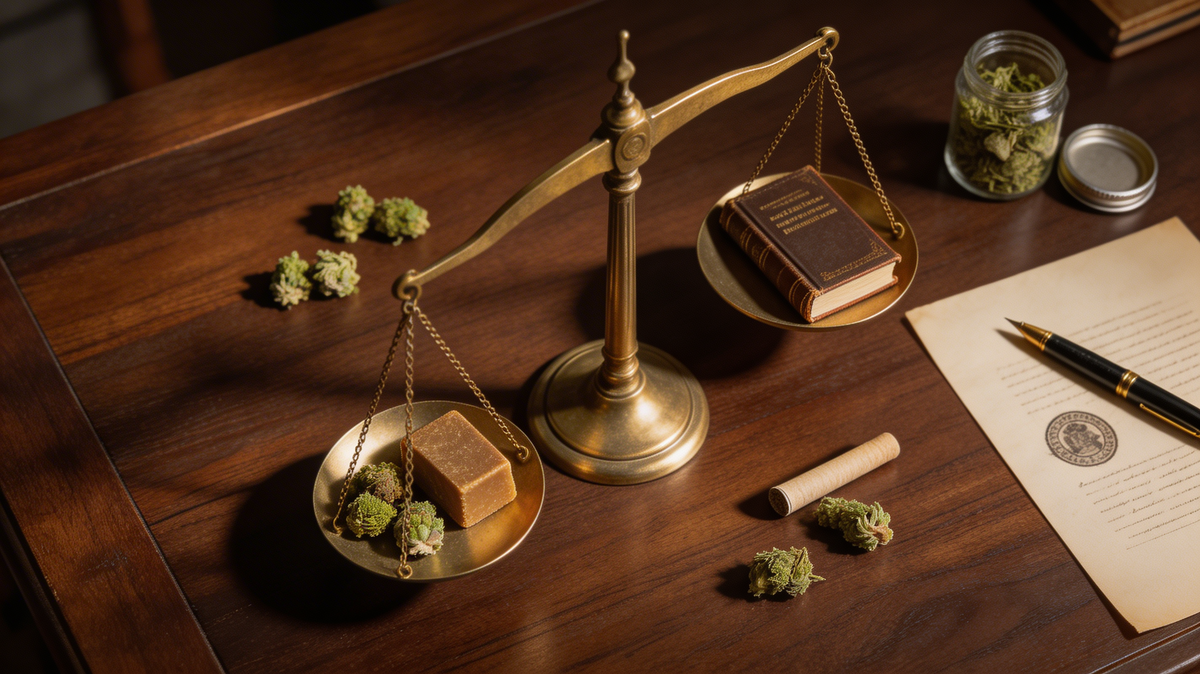
The question about the legality of CBD is one of the most common ones we get – and it’s a fair one. After all, CBD comes from the hemp plant, and cannabis laws in Germany have been complex for decades. The short answer: CBD is legal in Germany. But there are conditions and details you should know about. Here you’ll find the complete overview.
The basic rule: CBD is legal – under certain conditions
Cannabidiol (CBD) is generally available for sale in Germany. It is not psychoactive, does not cause a high, and is not classified as a narcotic. The key requirement: The THC content in the finished product must be below 0.3%. If that’s the case, CBD products can be bought, possessed, and used without restriction.
The legal framework in detail
Several laws and regulations are relevant for the legality of CBD:
Narcotics Act (BtMG)
THC is classified as a narcotic in Germany – CBD is not. Products made from EU-certified industrial hemp with a THC content of less than 0.3% are not covered by the BtMG. This applies to all common CBD products offered by reputable shops.
EU Novel Food Regulation
Foods containing CBD, including CBD oils for oral use, are considered so-called novel foods in the European Union. For these, approval by the European Commission is generally required. Several applications are currently in the approval process. In practice, CBD oils are still widely sold in Germany and across the EU – authorities have so far not taken active measures against their sale.
Medicinal Products Act (AMG)
CBD products sold as dietary supplements or cosmetics may not make medical claims. Statements like “CBD cures disease X” or “CBD helps against Y” are not legally permitted. Reputable providers always point out that their products are not medicines and do not replace a visit to the doctor.
Overview: Which CBD products are legal?
| Product category | Legal status | Special notes |
|---|---|---|
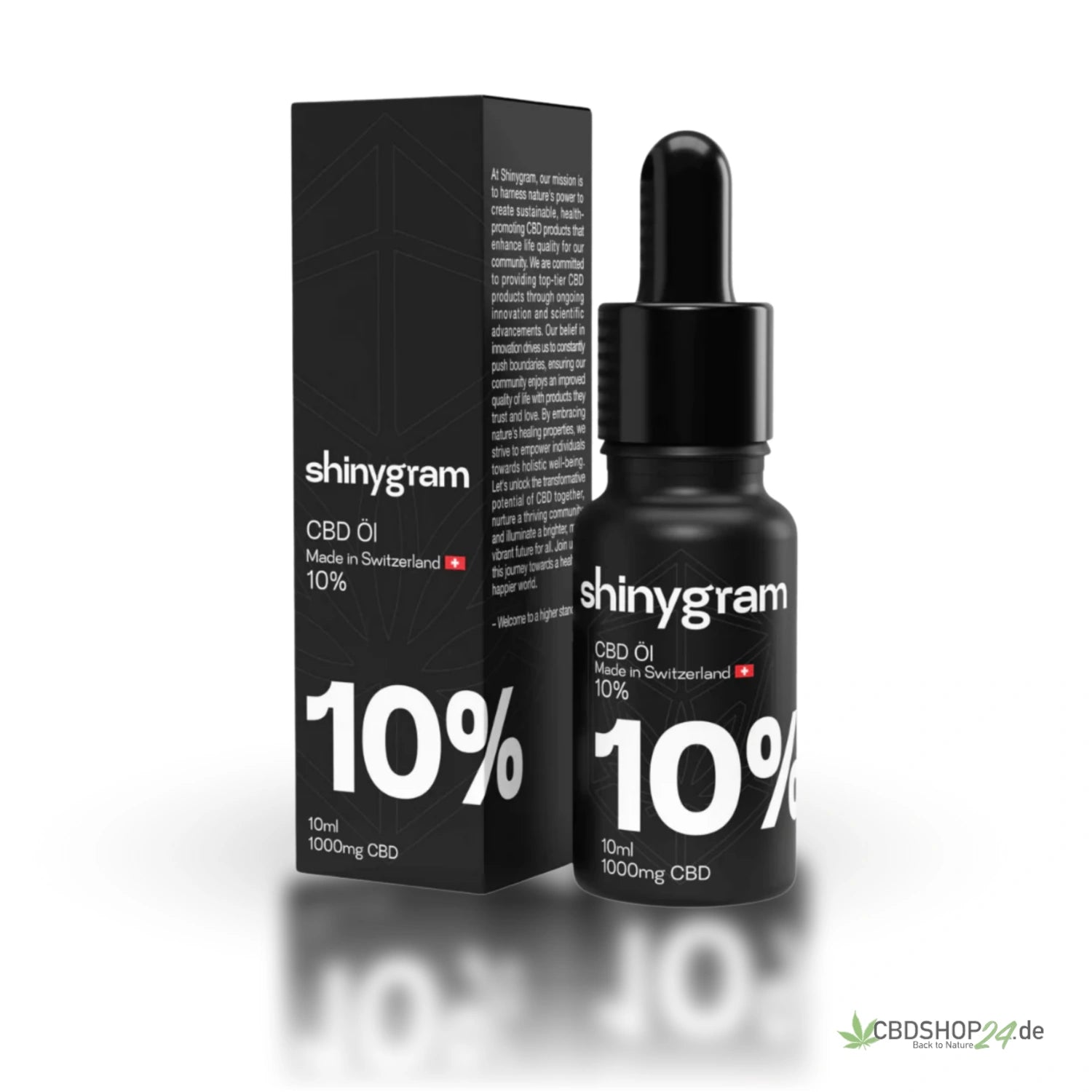
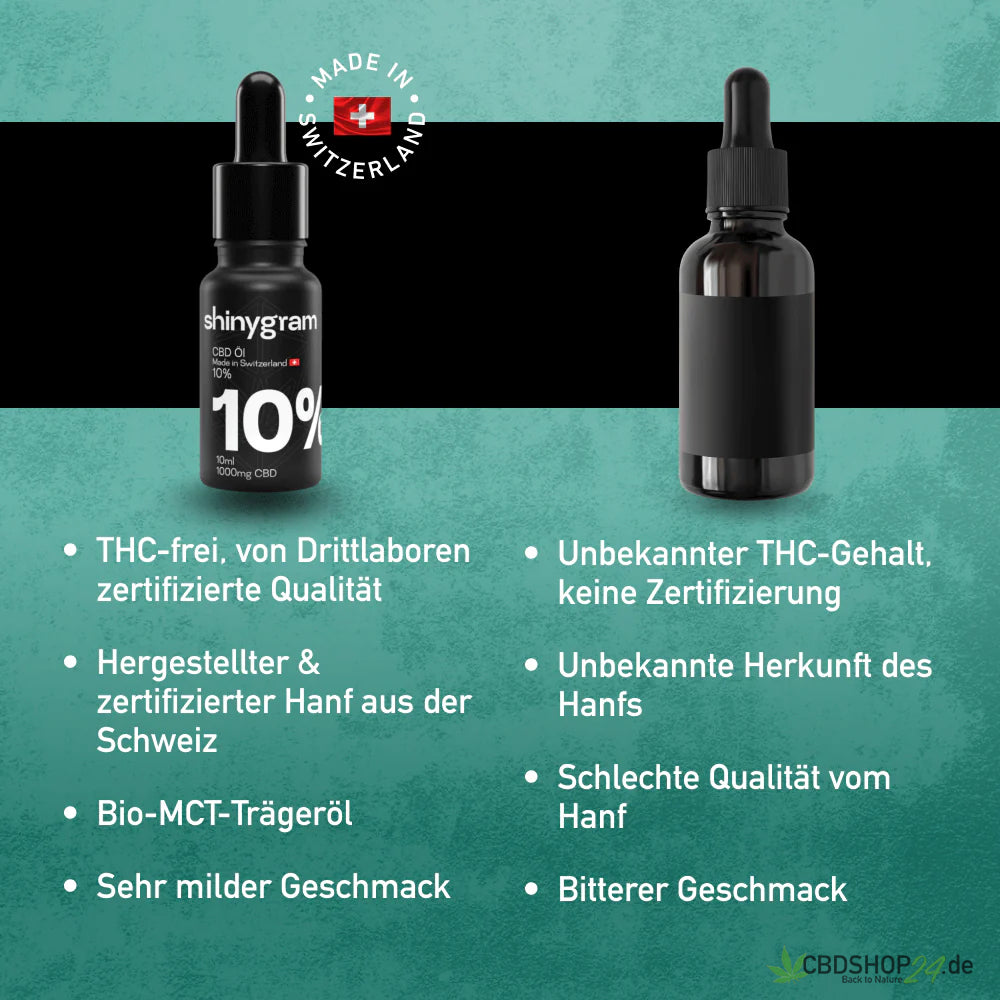
| CBD oil | Legal | THC below 0.3%, novel food approval pending |
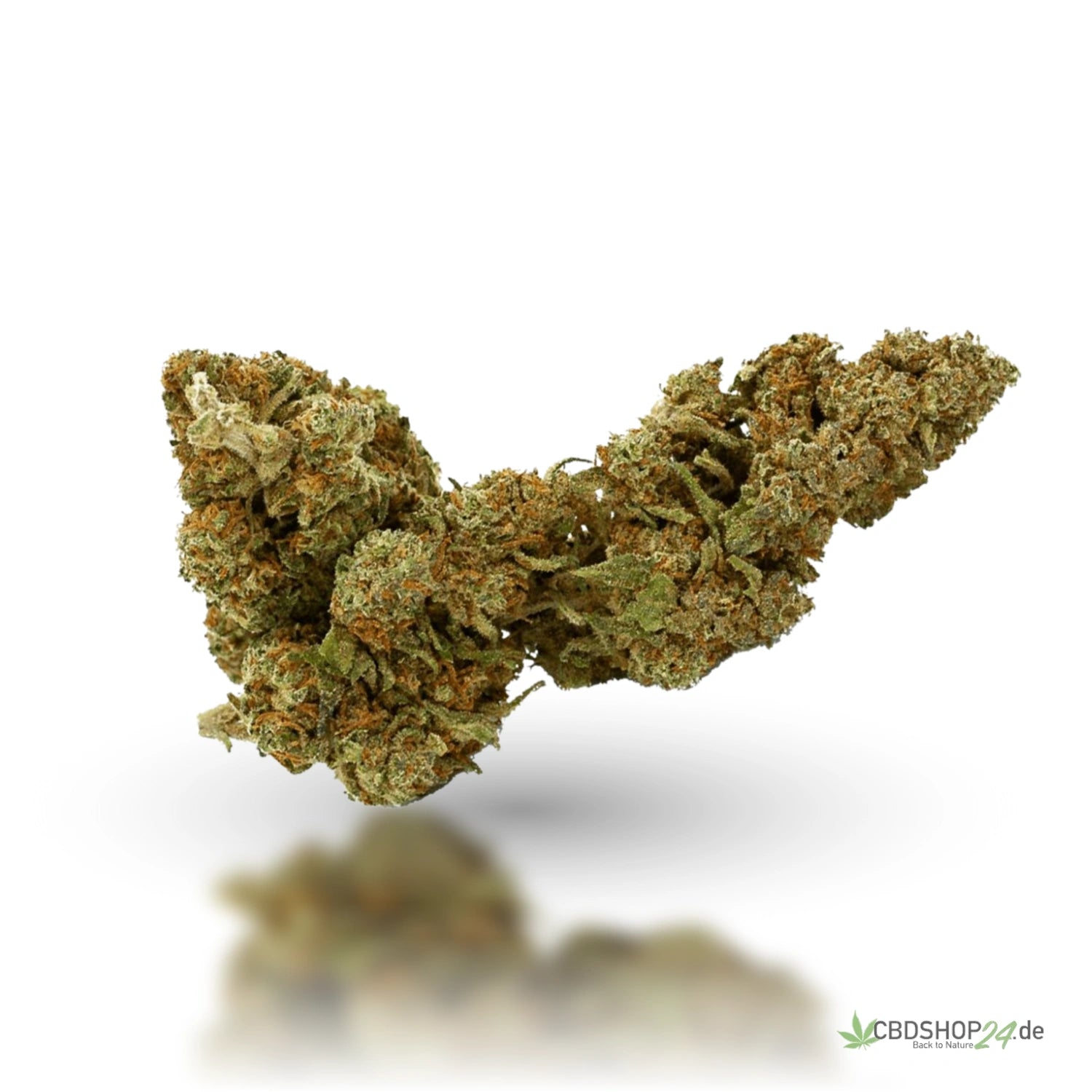
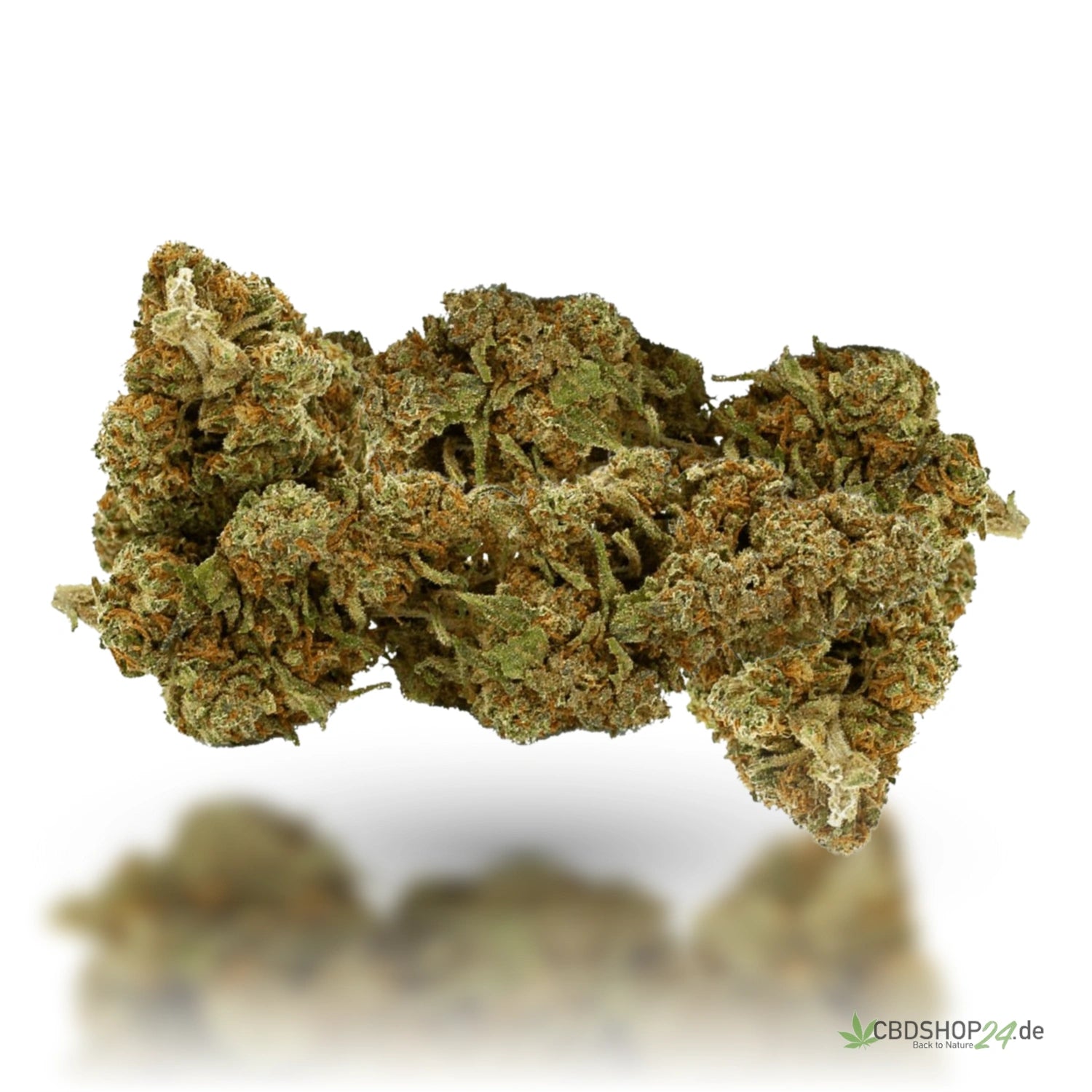
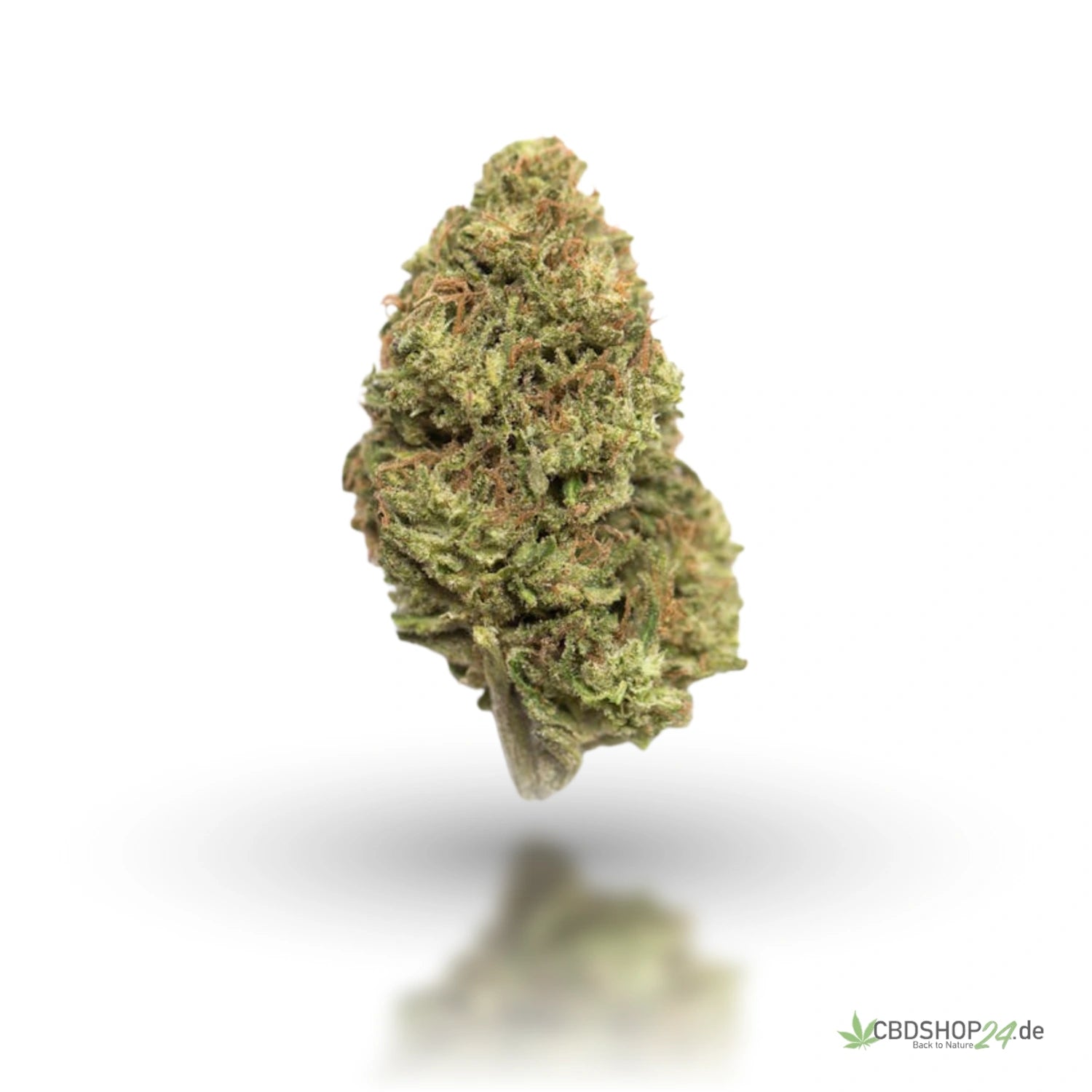
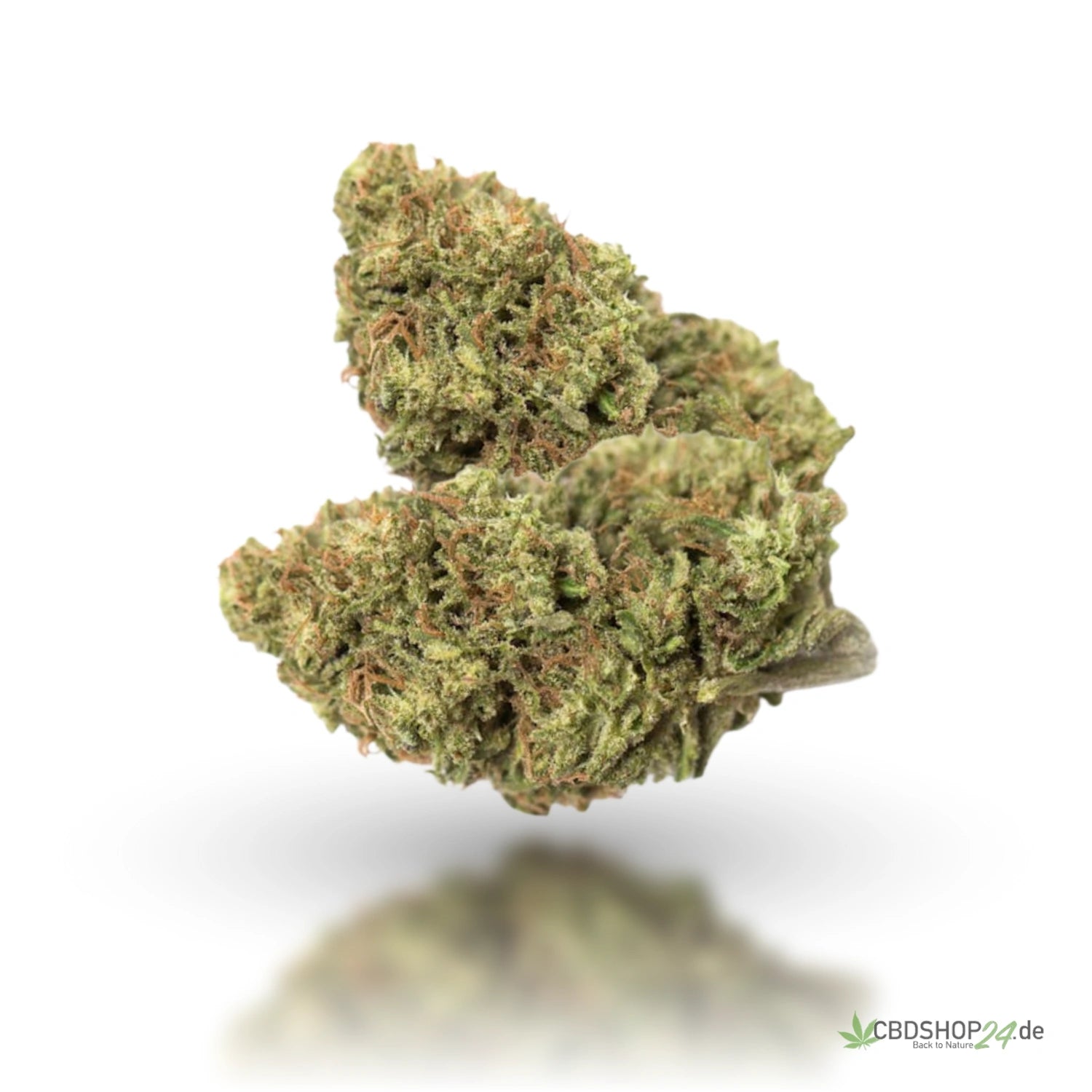
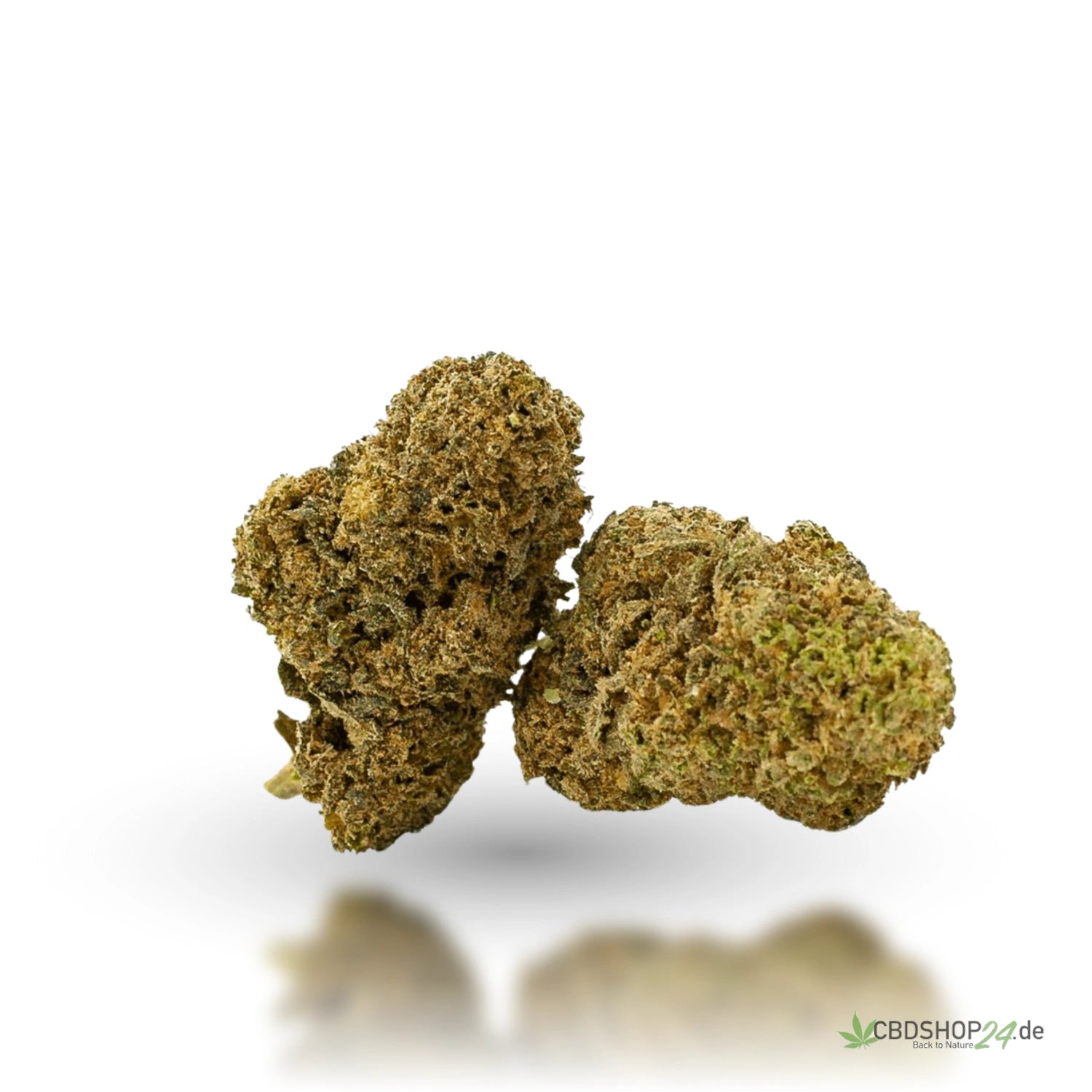
| CBD Flowers | Legal (restricted) | THC below 0.3%, visually indistinguishable from THC cannabis |
| CBD cosmetics | Legal | Regulated as a cosmetic product |
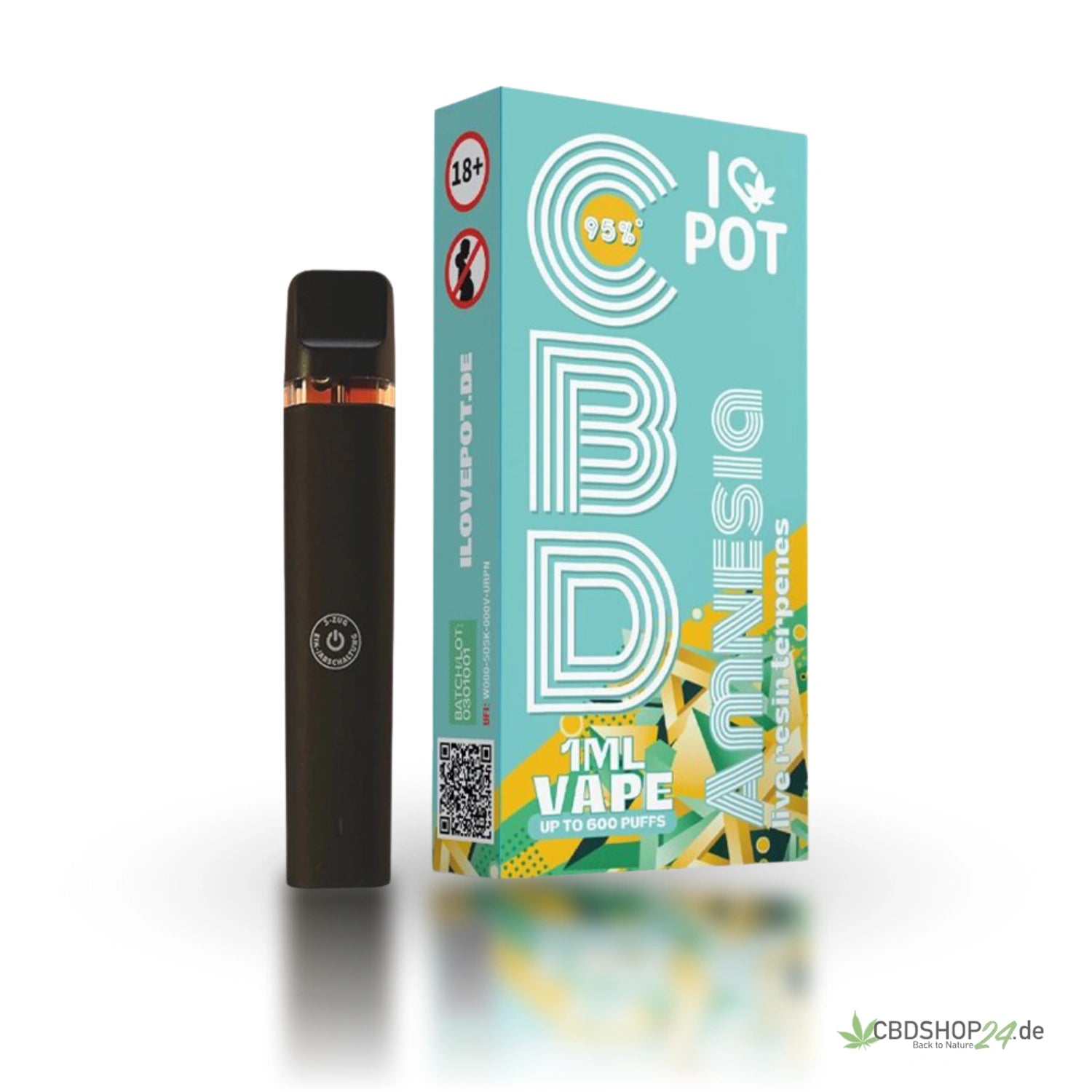
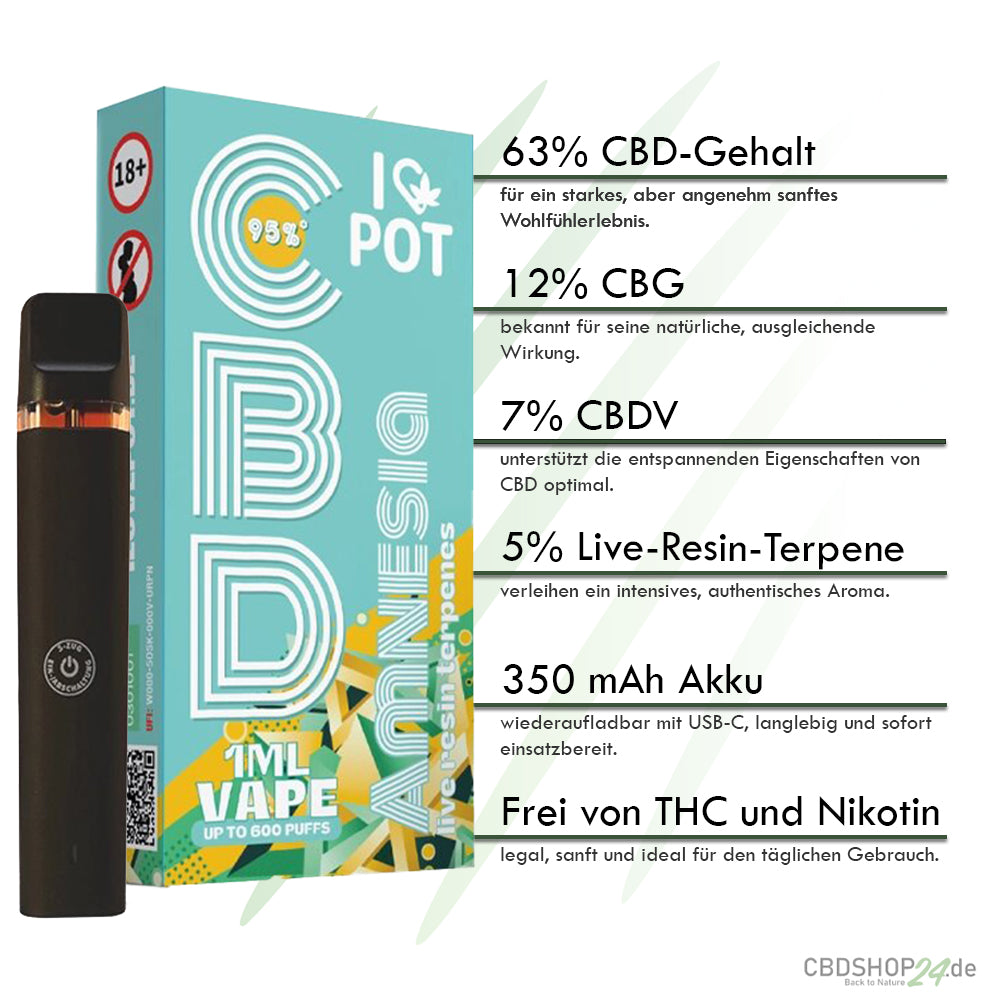
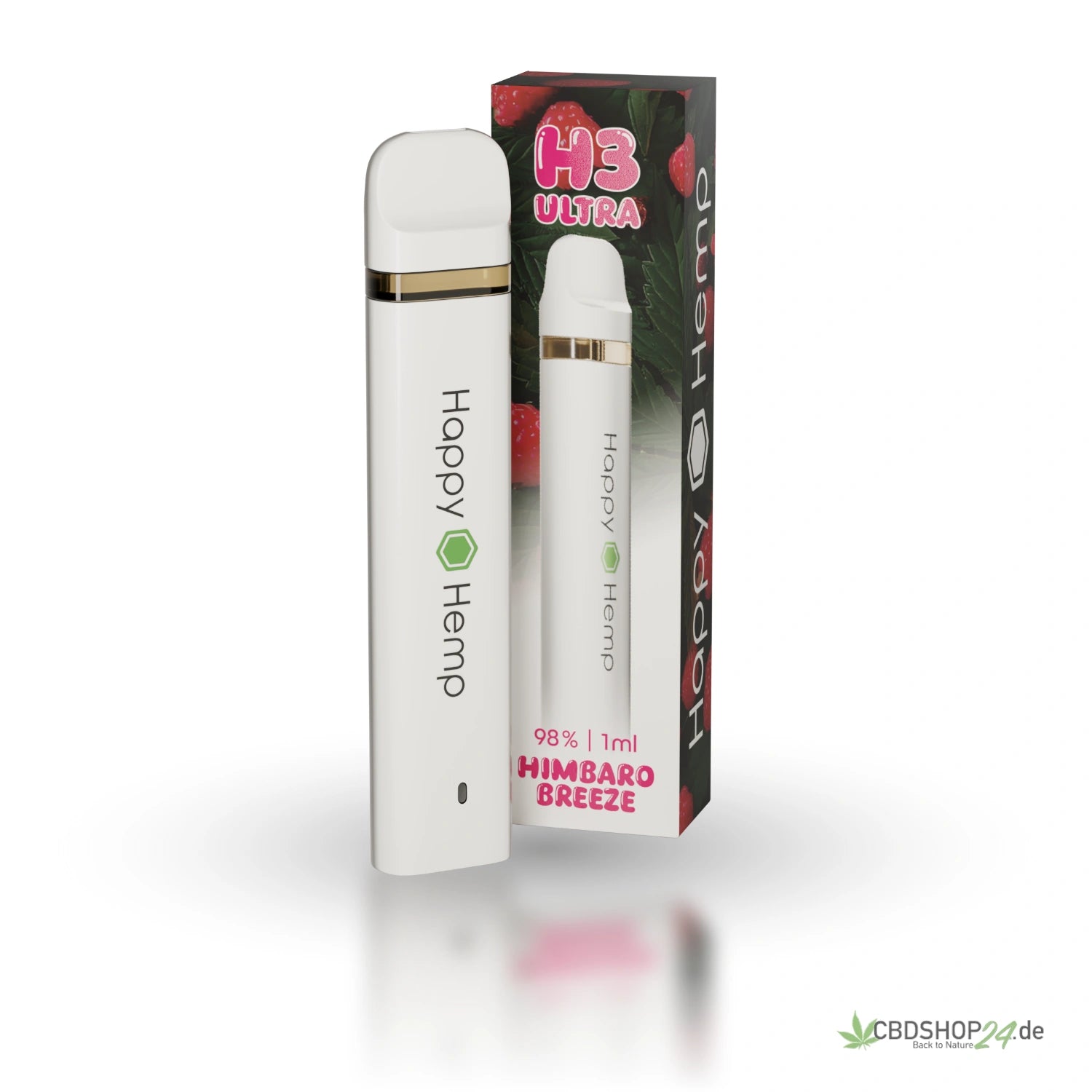
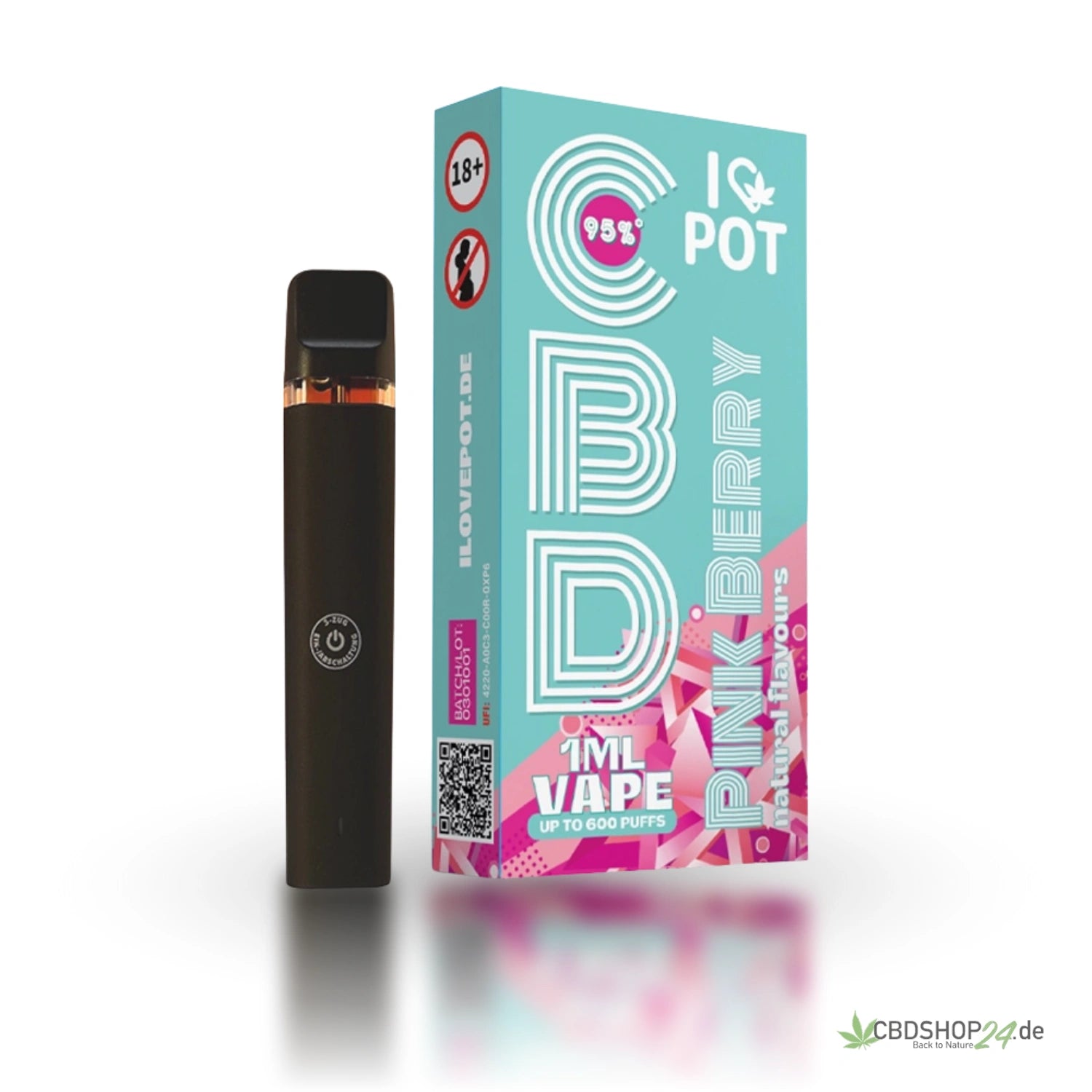
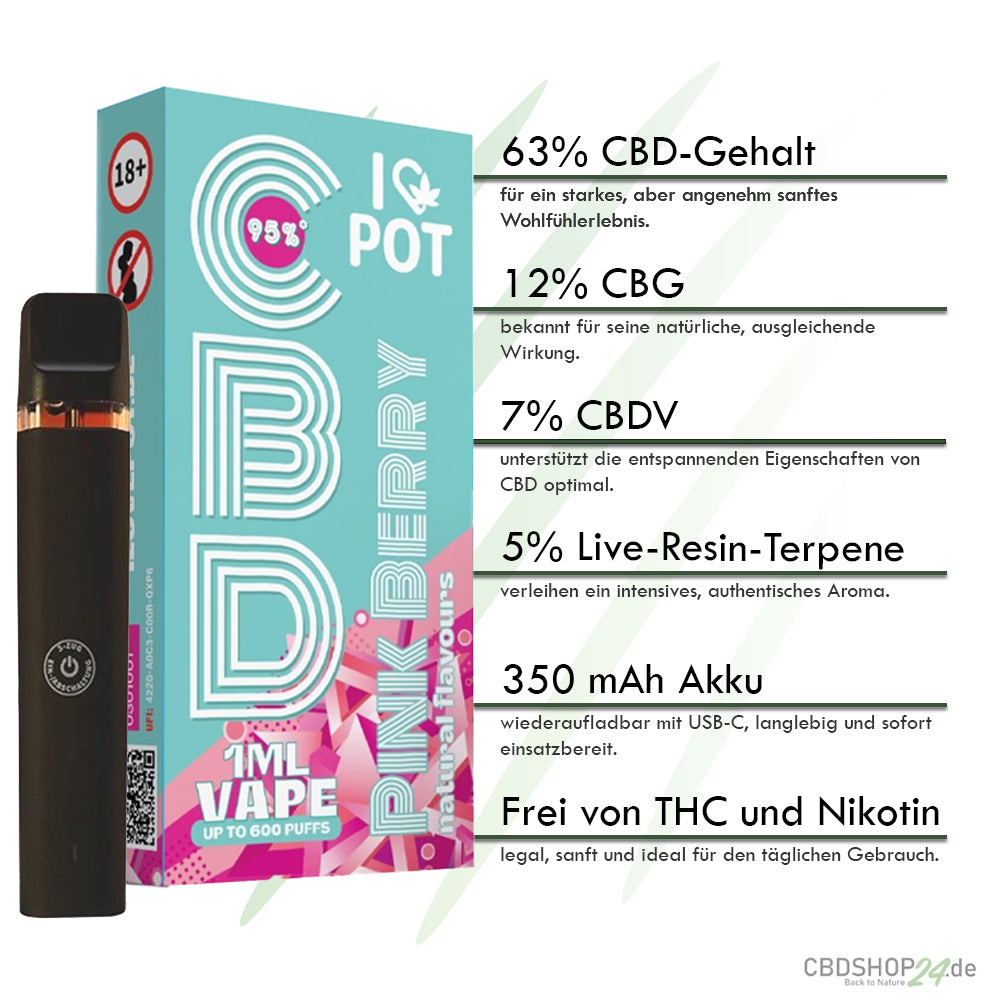
| CBD vapes/Liquids | Legal | Also subject to the Tobacco Products Act |
| CBD capsules | Legal | Same rules as CBD oil |
| CBD for animals | Legal | Classified as a complementary feed |
Special case: CBD Flowers
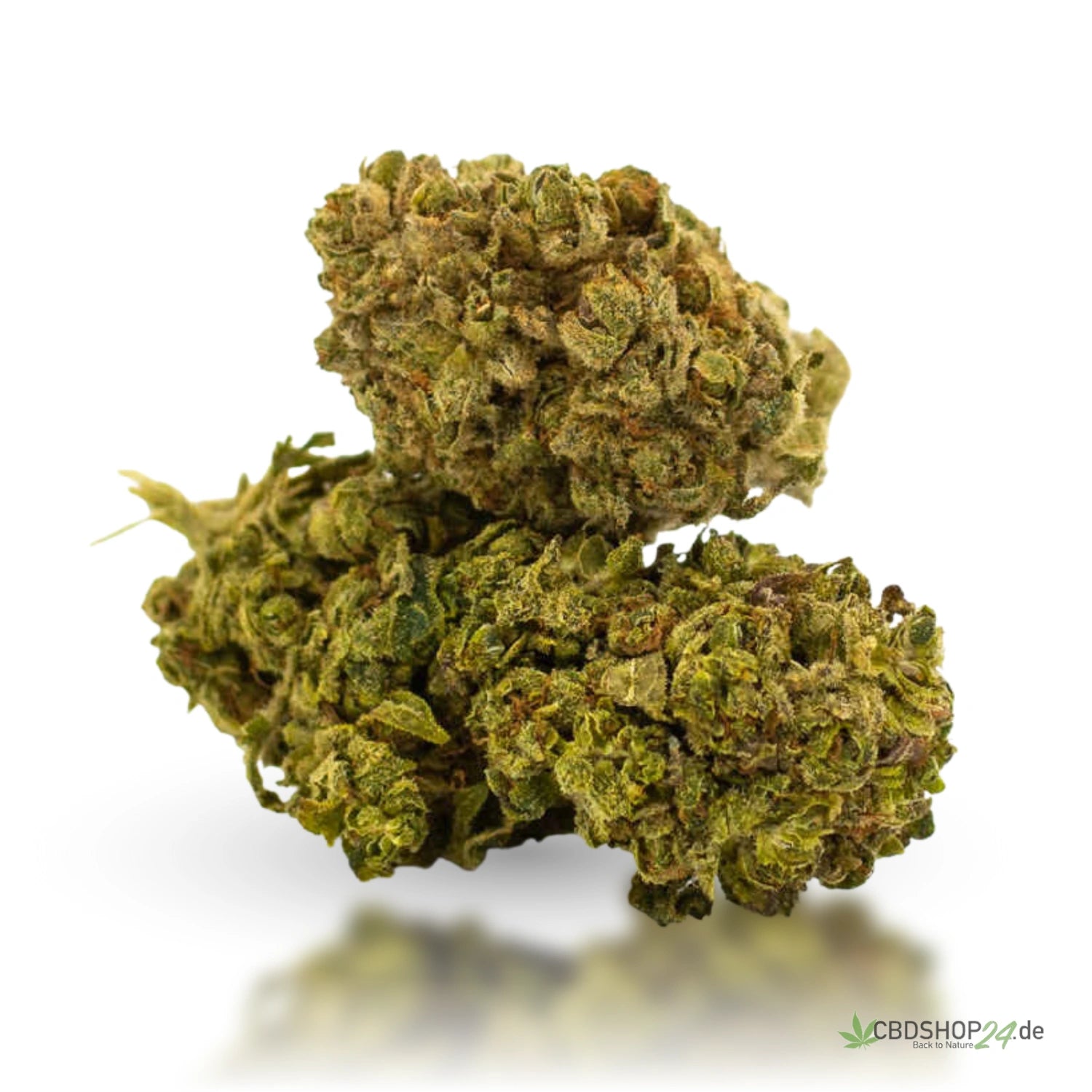
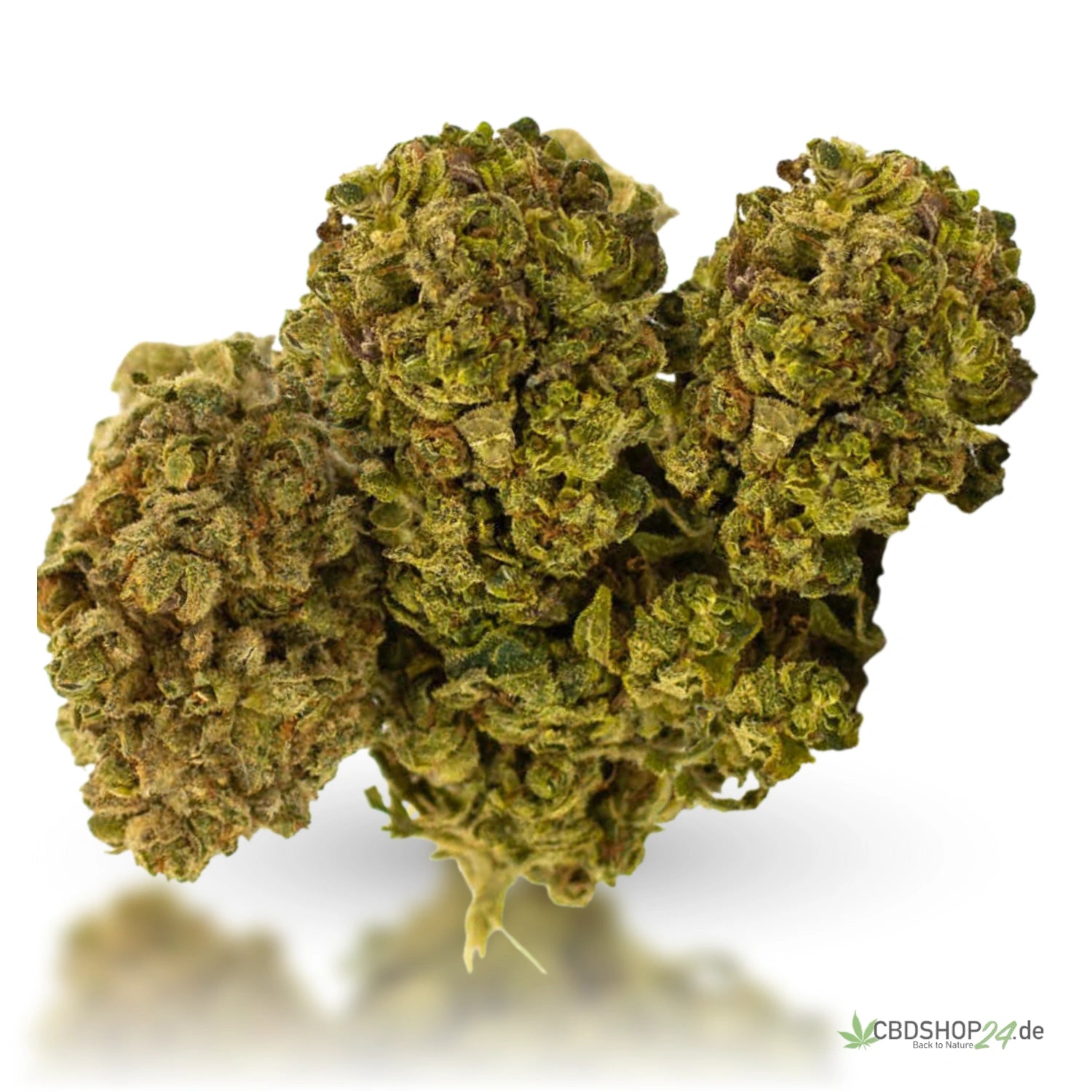
CBD Flowers are in a special situation. Legally, they are allowed as long as the THC limit is observed. In practice, however, they look and smell just like THC-containing cannabis – a difference that neither passersby nor police officers can tell at a glance. This can lead to unpleasant situations in everyday life, even if you’re not carrying anything illegal.
That’s why we recommend always having a lab certificate with you for CBD Flowers that shows the THC content. When you order from our shop, we always include this certificate.
CBD and road traffic
CBD itself is not a problem for your driver’s license – it is not detected by drug tests. However, some CBD products (especially full-spectrum products) contain traces of THC. With normal use, the chance of a drug test being positive is extremely low. With very high consumption, a false positive result in a rapid test cannot be ruled out 100%.
- Use products with an independent lab report showing the THC content
- If you’re concerned, choose CBD isolate products – these contain no THC
- Keep your product’s lab certificate handy so you can show it during a check
Important to know: A positive rapid test alone has no legal consequences. What matters is always the blood test and the active THC value measured there. With normal CBD use, this value is usually far below the relevant limit.
CBD and workplace drug tests
Standard drug tests, like some employers use, look for THC – not CBD. CBD is not detected by these tests. The chance of failing a workplace drug test due to regular CBD use is extremely low – especially if you use products with lab-confirmed THC content.
If you’re tested regularly and want to rule out even the smallest risk, you should go for THC-free isolate or broad-spectrum products. These are guaranteed to contain no THC.
Ordering CBD online: Is it allowed?
Yes. Buying CBD products online is completely legal in Germany. There are no restrictions on order quantities for personal use. When buying, you should look for the following quality features:
- Independent lab certificates: The actual CBD and THC content should be confirmed by a third-party lab
- EU-certified industrial hemp: The raw materials should come from controlled European cultivation
- Transparent product information: Origin, ingredients, and extraction method should be clearly communicated
Shipping is done in discreet packaging. We deliver throughout Germany and to many EU countries.
Conclusion
CBD is legal in Germany as long as the THC content in the product is below 0.3%. This applies to oils, Flowers, vapes, cosmetics, and all other common CBD products. Online purchases are possible without restriction. Make sure you have lab certificates and a transparent provider, and you’ll be on the safe side.
Planning a trip with CBD? In our article Traveling with CBD: Where is CBD allowed abroad? you’ll find everything about the rules in other countries.
If you have questions about the legal situation or product selection, you can reach us anytime.
Note: This article is for general information purposes and does not constitute legal advice. For specific legal questions, we recommend consulting a lawyer.