




If you use CBD regularly, you’ll probably want to have it with you on vacation or business trips. That’s totally understandable – but the topic can be tricky. What’s legal in Germany might be seen completely differently in another country. The legal situation around CBD varies a lot worldwide, and not knowing the rules won’t protect you from consequences at any border. This article gives you a comprehensive overview of the most important travel destinations and practical tips for traveling with CBD.
Why the situation is so confusing
There’s no international agreement that sets unified rules for CBD. Every country decides for itself how it classifies cannabinoids legally. In some countries, CBD is treated as a harmless dietary supplement, in others as a prescription medication – and in some as an illegal substance with heavy penalties. On top of that, laws can change. What was allowed last year might not be up to date anymore.
CBD within the European Union
The EU provides a relatively clear framework thanks to a 2020 European Court of Justice (ECJ) ruling: CBD isn’t considered a narcotic, and free movement of goods is generally ensured. In practice, though, individual member states implement these rules with varying strictness.
Usually not a problem
| Country | Assessment |
|---|---|
| Austria | Similar rules to Germany, CBD products freely available |
| Switzerland (not an EU member) | Very liberal – THC limit is even 1% |
| Netherlands | CBD legal and widely used |
| Czech Republic | CBD products allowed |
| Spain | CBD legal, sale for consumption partly in a grey area |
| Italy | Generally allowed, regional differences in interpretation |
| Portugal | CBD products available and legal |
Be cautious
| Country | Situation |
|---|---|
| France | CBD legal, but Flowers were temporarily banned – check current situation before traveling |
| Sweden | Strict cannabis policy. CBD oil with 0% THC might be accepted, Flowers problematic |
| Norway (not an EU member) | CBD is considered a medication and requires a prescription |
| Russia | All cannabis products are illegal, including CBD |
CBD outside Europe
The further you travel, the more carefully you should do your research. Outside Europe, the laws can be drastically different:
North America
USA: CBD from hemp with less than 0.3% THC has been legal at the federal level since the 2018 Farm Bill. The TSA (Transportation Security Administration) allows it in carry-on luggage for domestic flights. However, individual states have their own rules, and customs may ask questions when entering from abroad.
Canada: CBD has been fully legal since cannabis legalization in 2018 – buying, possessing, and using it are all allowed.
Asia – extra caution
Many Asian countries have a zero-tolerance policy for all cannabis products. The consequences can be severe – up to long prison sentences.
| Country | Status | Risk assessment |
|---|---|---|
| Japan | CBD legal, but zero tolerance for THC | Only with guaranteed THC-free isolate products |
| Thailand | Laws have been relaxed, but the situation changes regularly | Be sure to check the latest rules before traveling |
| Singapore | All cannabis derivatives illegal | Don’t bring any CBD |
| Indonesia | All cannabis derivatives illegal | Don’t bring any CBD |
| UAE / Dubai | Completely banned, even traces | Don’t bring any CBD |
Other popular destinations
- Turkey: CBD is illegal and may be confiscated at entry
- Egypt: All cannabis products are banned
- Australia: CBD in low doses (up to 150 mg/day) has been available without a prescription since 2021, higher doses only with a prescription
- Mexico: CBD legal, but import rules vary
Practical tips for traveling with CBD
1. Research ahead of time is a must
Check the current legal situation in your destination and all transit countries. Use official sources like embassy websites or the Foreign Office. Laws can change on short notice.
2. Pack a lab certificate
A current analysis certificate from an independent lab shows the exact CBD and THC content of your product. If you’re checked, this document can make all the difference.
3. Keep the original packaging
Leave CBD products in their original packaging with a complete label and list of ingredients. Refilled or unlabeled liquids understandably make customs officers suspicious and can lead to longer inspections.
4. Follow carry-on rules
For air travel, the usual rules for liquids in carry-on luggage apply: CBD oil must be in a container of no more than 100 ml and carried in a transparent zip bag. Alternatively, you can pack it in your checked luggage.
5. CBD Flowers don't take them with you
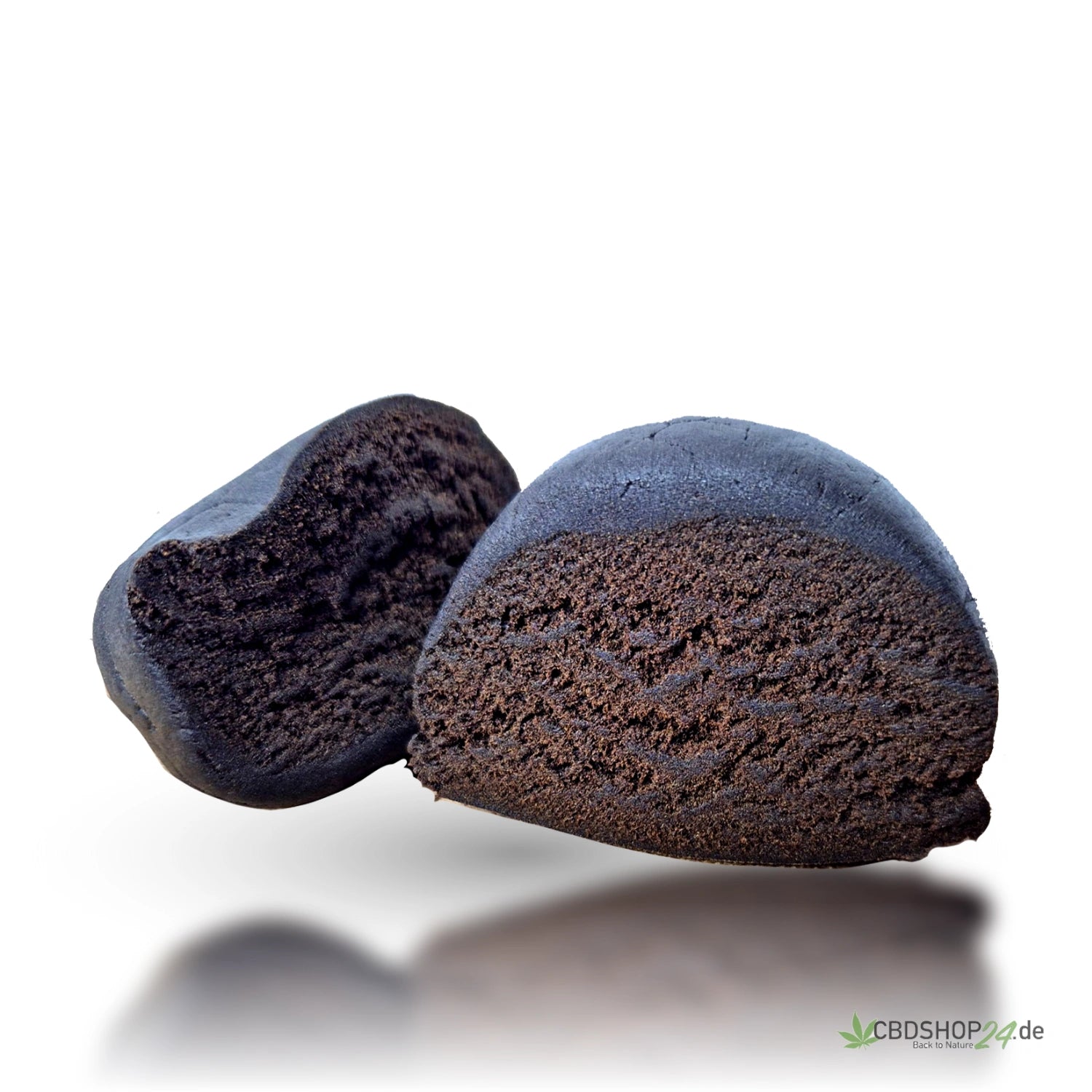
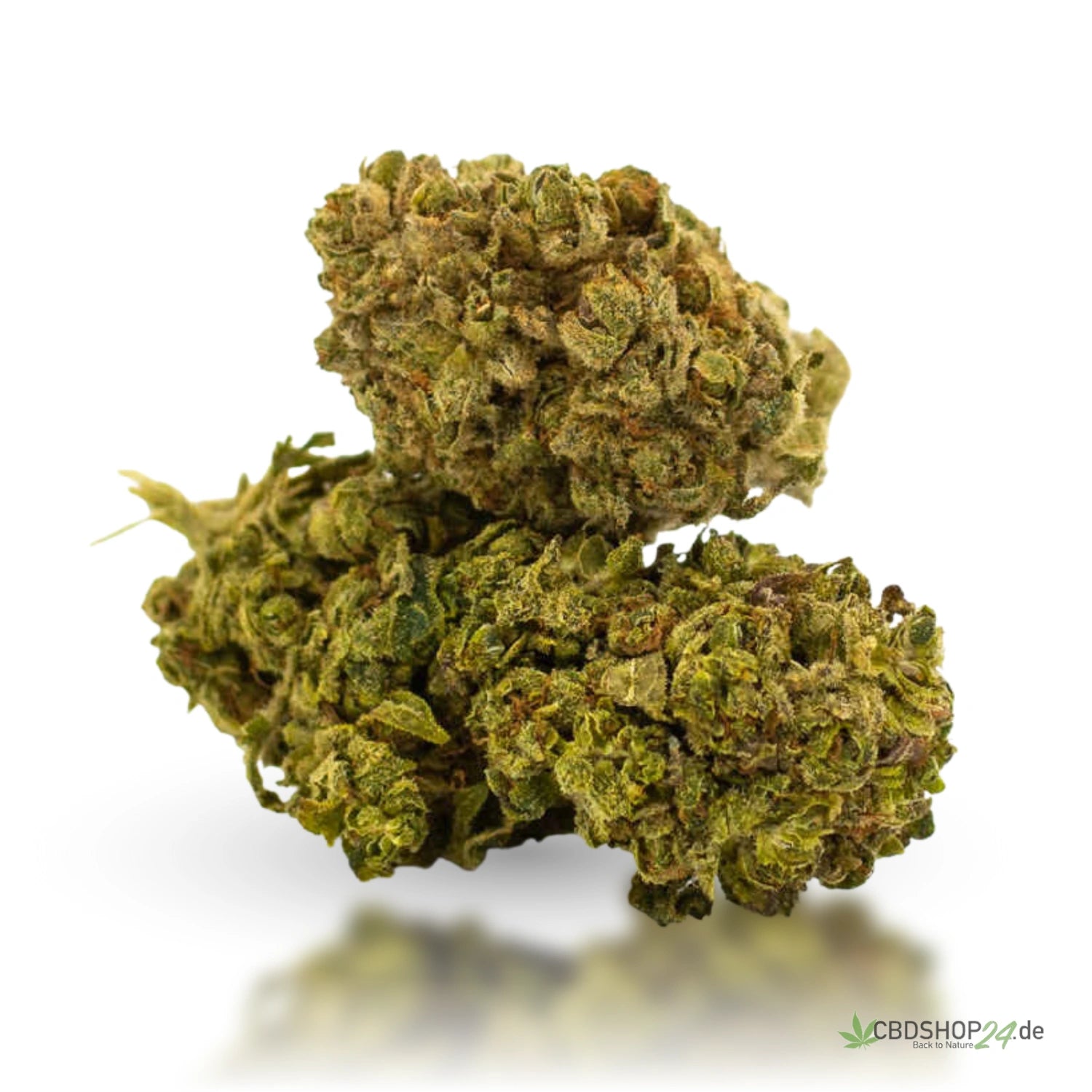
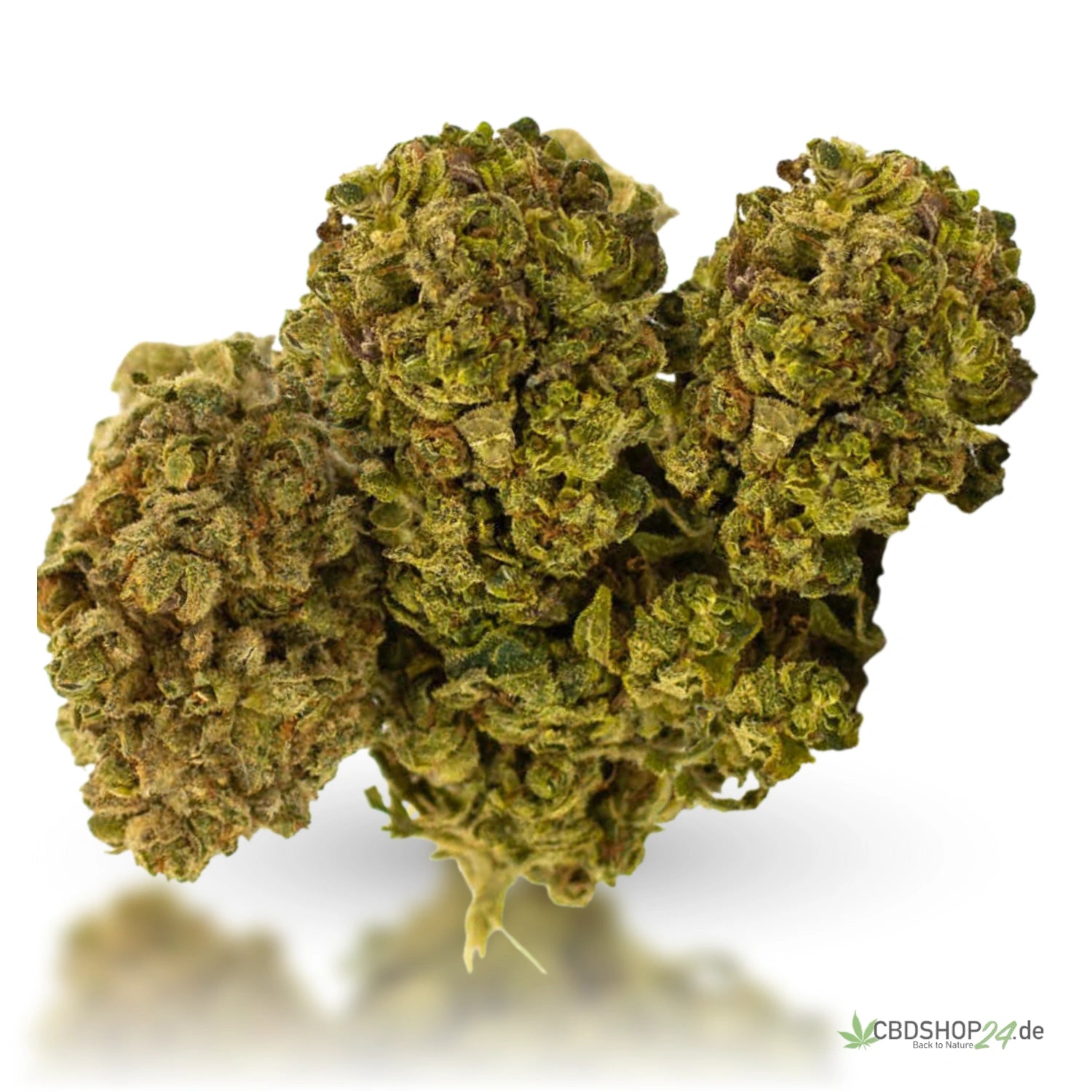
Taking CBD Flowers with you when you travel is risky, even if they're legal. They look and smell just like THC-containing cannabis. Customs officers will order an analysis if they're unsure – that costs time, nerves, and maybe even your connecting flight. When traveling, CBD oil or capsules are a much better choice.
6. Alternative: Buy locally
In many countries, CBD products are available locally. Instead of bringing products with you and risking questions at customs, it might make more sense to buy them at your destination. This is especially true for countries with an established CBD infrastructure like Switzerland, the Netherlands, or Canada.
What to do during inspections
If you're questioned about your CBD product at customs or during a police check:
- Stay calm and cooperative
- Explain clearly that it's a legal CBD product with less than 0.3% THC
- Show the lab certificate and original packaging
- If the product is confiscated: accept it and don't escalate – losing a bottle is annoying, but it's nothing compared to the consequences of an argument with border officials
Conclusion
Within the EU, traveling with CBD products is usually not a problem. Outside Europe, things get much more complicated, and in some regions – especially parts of Asia and the Middle East – it's simply too risky. The most important rule: Get informed beforehand, carry proof with you, and if in doubt, it's better not to take anything along.
Note: This article is for general information only and does not constitute legal advice. Laws are constantly changing – make sure to check the current regulations in your destination country before you travel.