




Sleep problems are among the most common complaints in Germany – according to the DAK Health Report, around 80% of working people experience occasional sleep disturbances. Racing thoughts, restlessness, waking up at night: there are many reasons, and the search for solutions is huge. In recent years, CBD has gained increasing attention as a natural support for better sleep. But what's behind it – and what does the research say?
The most common causes of sleep problems
To understand where CBD could help, it’s worth taking a look at the most frequent reasons for poor sleep:
| Cause | Explanation | Frequency |
|---|---|---|
| Stress and psychological strain | The body stays in “alert mode,” the nervous system can’t calm down | Very common |
| Screen use in the evening | Blue light inhibits the body’s own melatonin production | Common |
| Irregular sleep rhythm | Shift work, jet lag, or lack of routine disrupt the internal clock | Common |
| Caffeine and diet | Caffeine has a half-life of 5–6 hours, late heavy meals are a burden | Common |
| Medical causes | Sleep apnea, restless legs syndrome, chronic pain | Less common, but relevant |
If sleep problems persist, you should always consult a doctor to rule out medical causes. Sleep disturbances can be a symptom of serious conditions.
How CBD could work for sleep
CBD interacts with the endocannabinoid system (ECS), which is involved in regulating the sleep-wake cycle, among other things. The potential mechanism for sleep doesn’t rely on a direct sedative effects – CBD isn’t a classic sleep aid that forces the body to sleep. Instead, research points to an indirect path: CBD could help address factors that disrupt sleep – especially stress, tension, and inner restlessness.
CBD also interacts with the serotonin receptor 5-HT1A, which plays a role in regulating anxiety and mood. When the stress response is dampened, it’s easier for the body to switch into sleep mode.
What does the research say?
The scientific data on CBD and sleep is growing, but not yet conclusive. Here are the key findings:
- Shannon et al. (2019): A study with 72 participants showed that 66.7% experienced improved sleep scores in the first month of CBD use. Limitation: there was no placebo control group, and the sleep improvements fluctuated over time.
- Suraev et al. (2020): This systematic review concludes that CBD has potential to improve sleep quality, but emphasizes the need for more randomized, controlled studies.
- Kesner & Lovinger (2020): A review examining the link between cannabinoids and sleep. The authors found evidence that higher doses of CBD could promote sleep, while lower doses may actually promote wakefulness.
Practical application: CBD for better sleep
Timing of intake
For evening use, we recommend taking CBD about 30–60 minutes before going to bed. This gives your body enough time to absorb and process the cannabidiol.
Which product is best?
| Product | Onset of effect | Suitability for sleep |
|---|---|---|
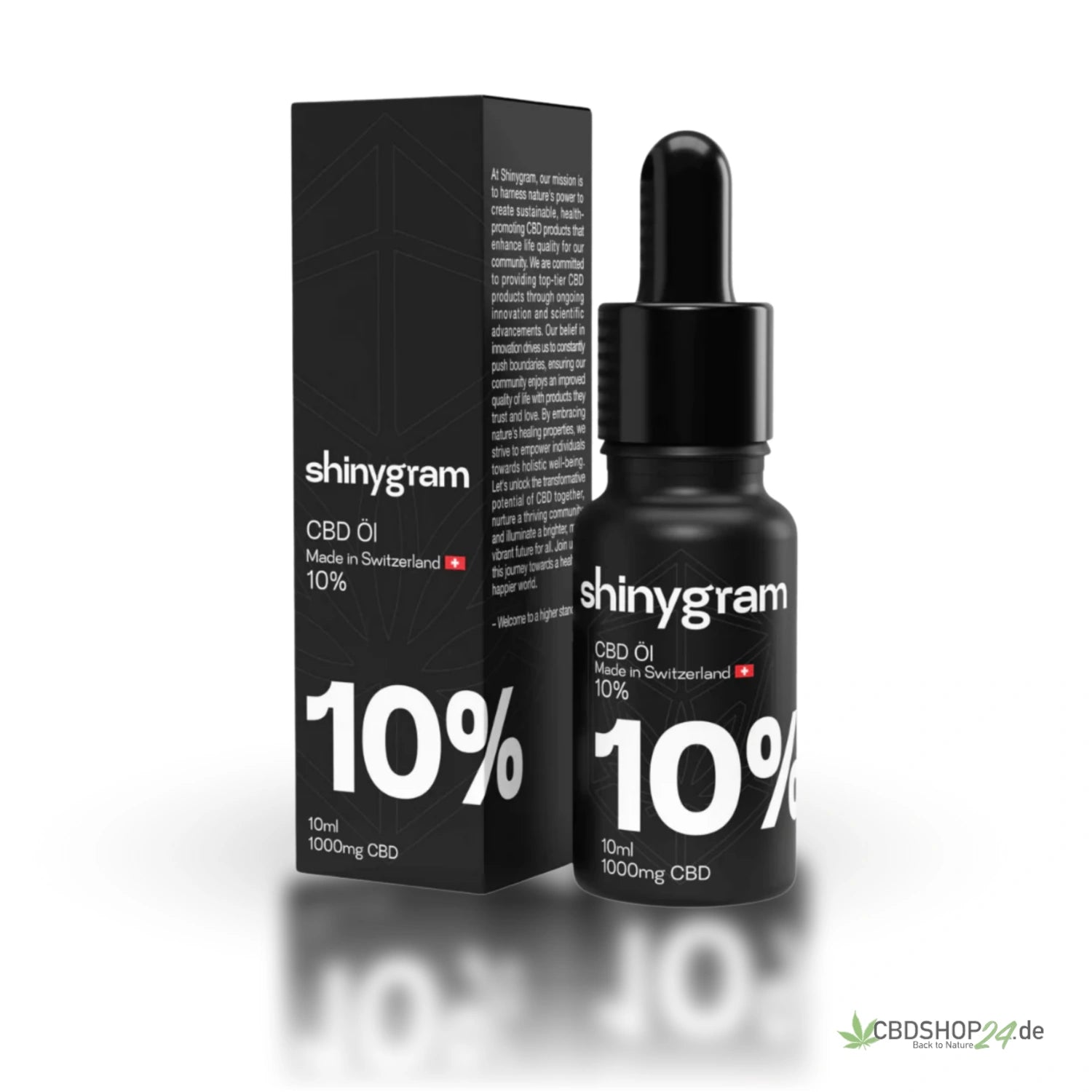
| CBD oil (sublingual) | 15–30 minutes | Very good – flexible dosing, good time frame |
| CBD capsules | 30–60 minutes | Good – easy to take, slightly longer onset |
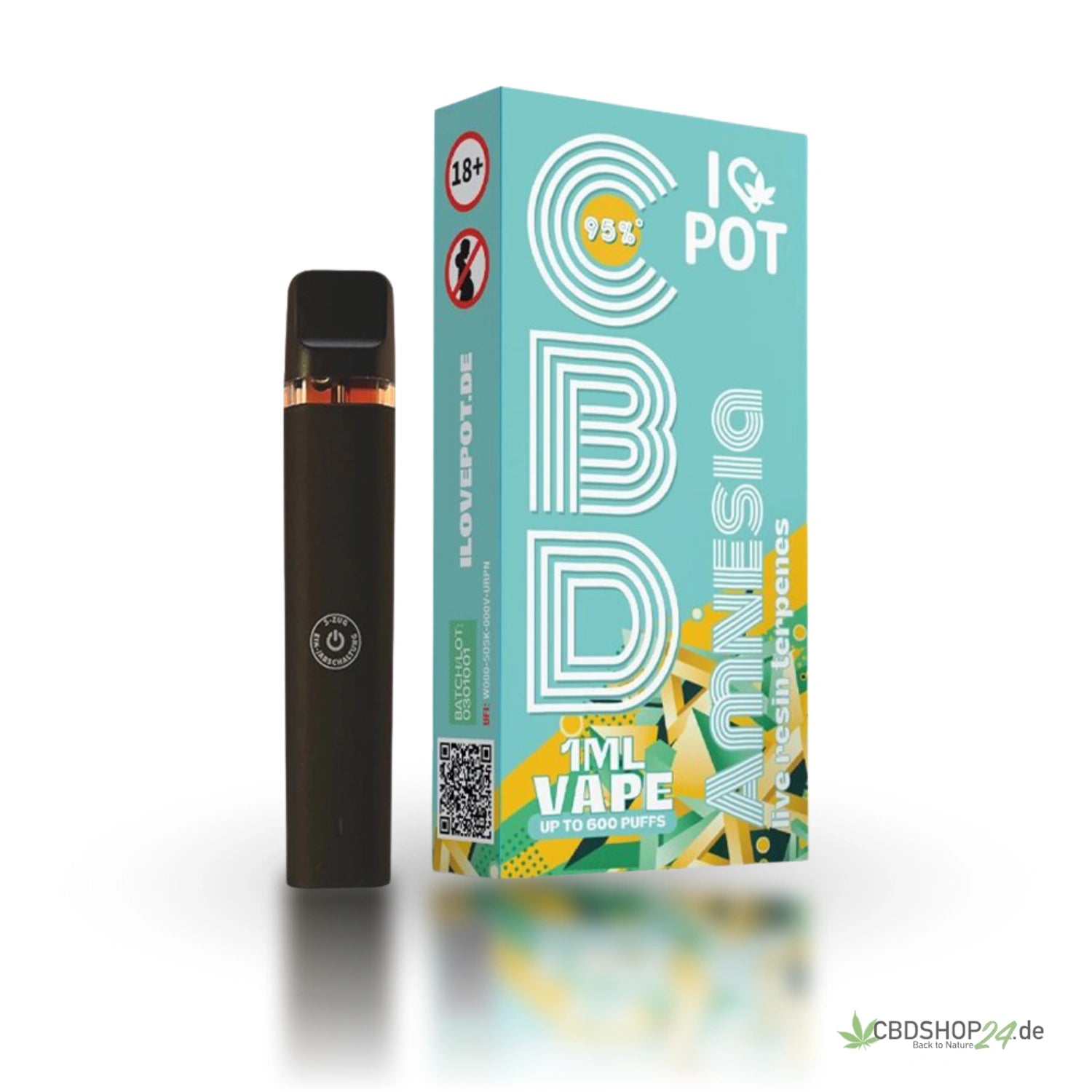
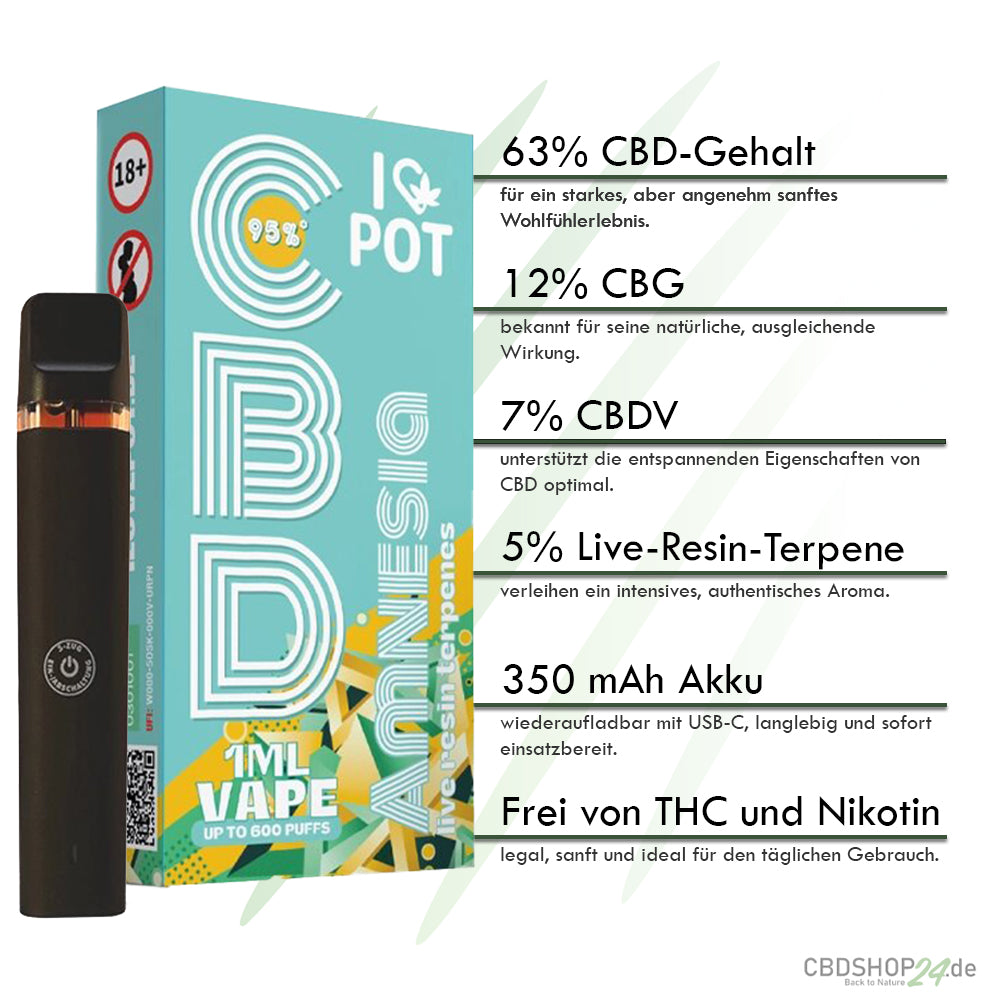
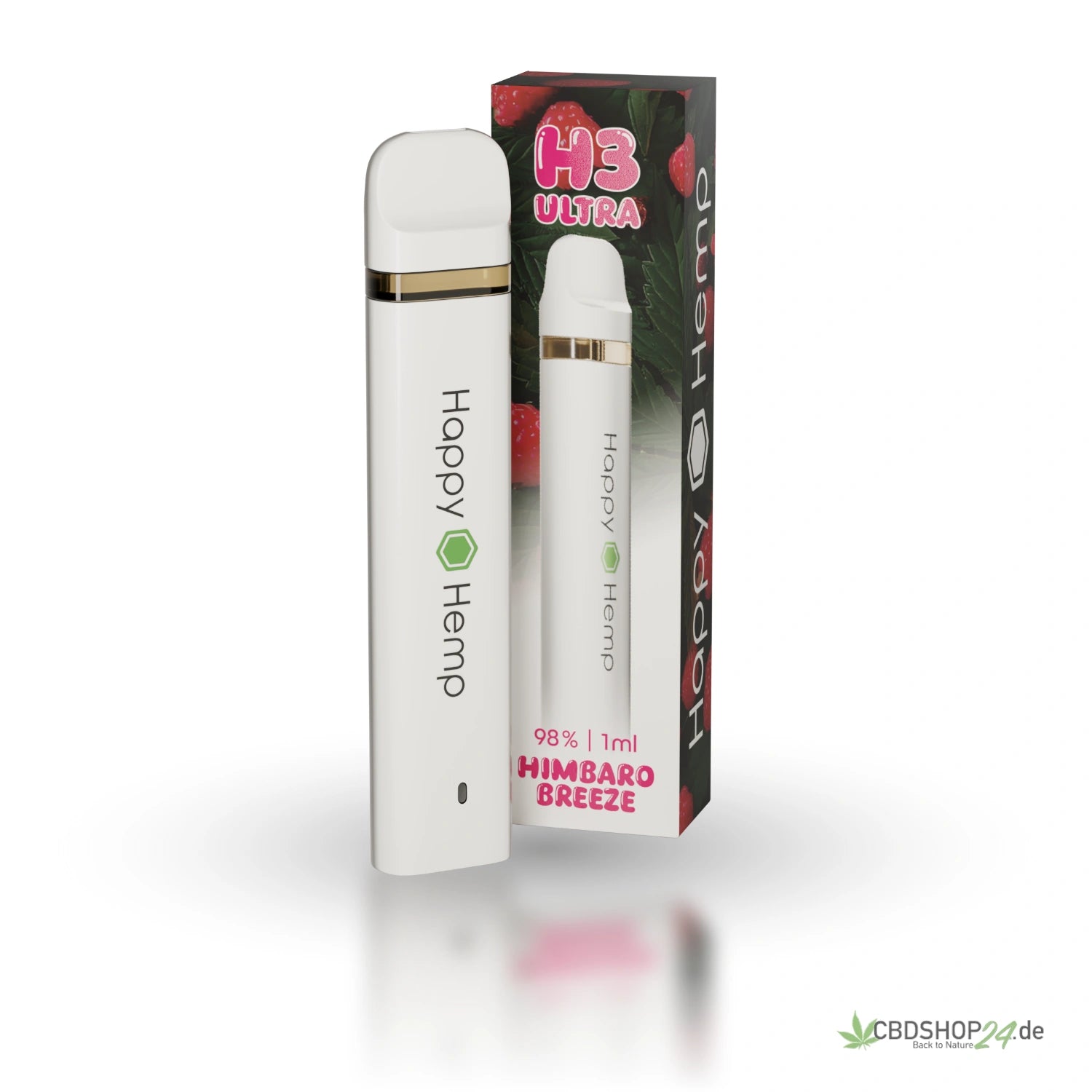
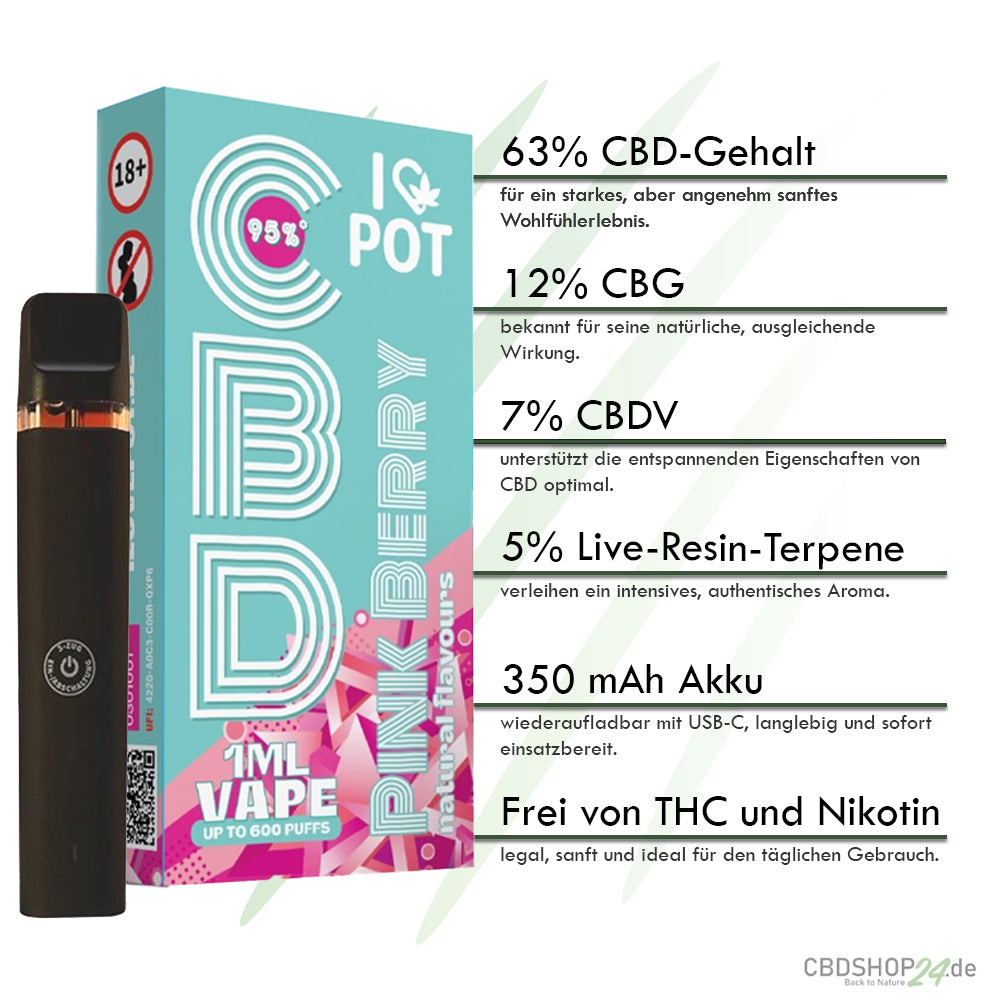
| CBD Vape | 1–5 minutes | Possible – fast effects, but shorter duration |
CBD oil is usually the best choice for evening use: the onset of effect falls within a favorable time window, the duration covers the falling asleep phase, and the dosage can be adjusted drop by drop.
Evening dosage
A good starting point is 10–25 mg CBD in the evening. If you don’t notice any effect after a week of regular use, you can gradually increase the dose. Everyone responds differently to CBD – patience and a gradual approach are more important than a high starting dose.
Combine CBD with good sleep hygiene
CBD can be a supplement, but it’s no substitute for the basics of healthy sleep. For best results, we recommend combining CBD with proven sleep hygiene measures:
- Set sleep times: Go to bed and get up at the same time every day – even on weekends
- Reduce screens: No smartphone, tablet, or laptop at least 30 minutes before bed
- Optimize your bedroom: Dark, quiet, and cool (ideally 16–18 °C)
- Limit caffeine: No coffee, tea, or cola after 2 pm
- Establish an evening routine: A set ritual before bed (reading, gentle stretching, tea) signals your body it’s time to wind down
CBD vs. classic sleep aids
| Property | CBD | Prescription Sleep Aids |
|---|---|---|
| Prescription Required | No | Usually yes |
| Dependency Potential | None known | Sometimes high (e.g., benzodiazepines) |
| Next-Morning Effects | Rare | Common (hangover effect, grogginess) |
| Mode of Action | Indirectly via the ECS | Directly sedating on the nervous system |
| Long-Term Use | No known issues so far | Often only recommended for short periods |
CBD is not a substitute for doctor-prescribed sleep medications. If you have a prescription for sleep aids, don’t stop taking them on your own. However, CBD can be a natural addition, especially for people looking for alternatives with fewer side effects.
Full Spectrum or Isolate for the evening?
Many users prefer full spectrum CBD oils for evening use. The reason: full spectrum products contain not only CBD but also other cannabinoids like CBN (cannabinol), which is said to have calming properties. Thanks to the entourage effect, these compounds may work more effectively together than pure CBD alone.
If you don’t want any THC in your product—not even trace amounts—a broad spectrum or isolate product is a good choice. However, being THC-free means you won’t get the full entourage effect.
Frequently Asked Questions
Does CBD make you tired?
Not always. At lower doses, some users even report increased alertness. At higher doses, CBD can have a relaxing effect and make it easier to fall asleep. So, the dosage is important.
Can I take CBD every evening?
Based on current knowledge, yes. No habituation or tolerance effects are known. Many users take CBD daily for several months or longer.
How long does it take to notice an effect on sleep?
This varies a lot from person to person. Some notice improvement after the first use, while for others it takes several days to weeks of regular use. We recommend using CBD daily for at least two weeks before making a judgment.
Conclusion
CBD is not a classic sleep aid. However, research suggests it may indirectly support better sleep quality by reducing stress and tension. Many users report positive experiences—but large clinical studies are still pending for scientific confirmation.
If you want to try CBD for better sleep, it’s best to start with a low dose of CBD oil in the evening, combine it with good sleep hygiene, and give it at least two weeks.
Important note: CBD products are not medicines. If you have persistent or severe sleep problems, please consult a doctor.