


Table of contents
- The basis of CBD production: industrial hemp ›
- Step 1: Growing the hemp plants ›
- Step 2: Harvesting at the right time ›
- Step 3: Drying and further processing the plants ›
- Step 4: Extraction – getting CBD out of the plant ›
- Step 5: Filtering and purifying the extract ›
- Step 6: Decarboxylation – activating CBD ›
- Step 7: Further processing into end products ›
- Quality assurance and lab analysis ›
- Legal aspects of CBD production ›
- A look at CBD production ›
- FAQ about CBD production ›
CBD has long since become mainstream. Whether as oil, vapes, or in another form: Cannabidiol is extracted from the hemp plant and processed into different products.
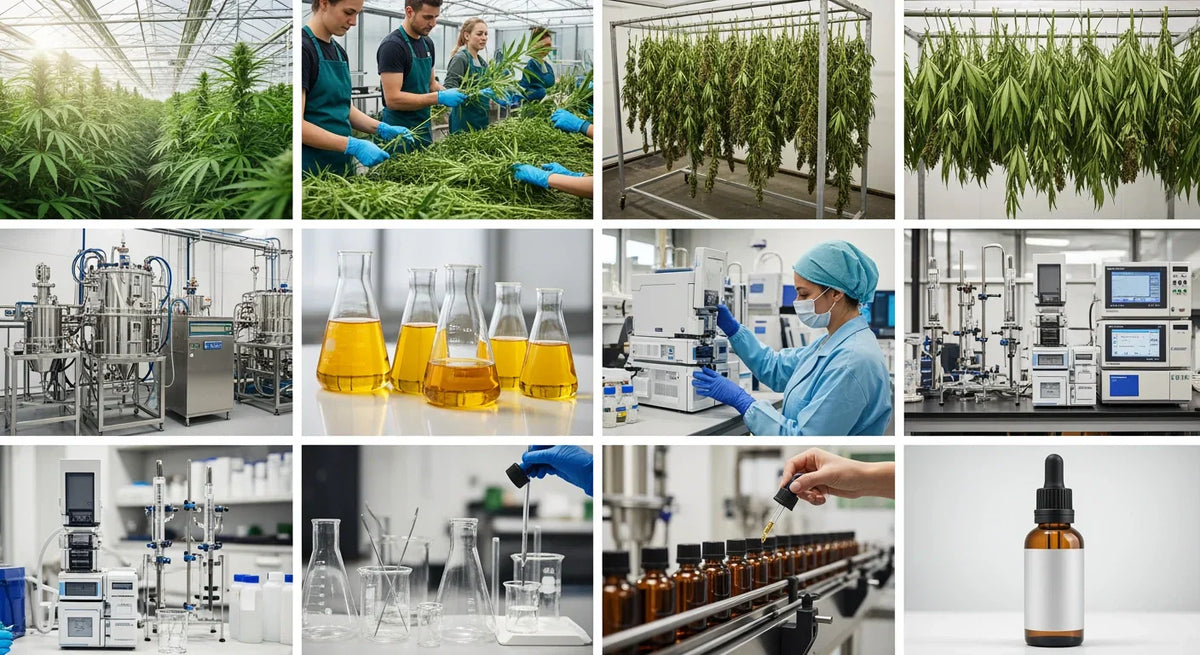
This article explains CBD production step by step. It starts with the hemp plant and ends with the finished product. If you understand how CBD is produced, you can better judge the quality and make more informed choices. So let's get started.
The basis of CBD production: industrial hemp
CBD production always starts with choosing the right plant. What’s used is so-called EU-certified industrial hemp. These hemp varieties are specially bred and meet legal requirements. Important features of industrial hemp:
- very low THC content (under 0.3% in Germany)
- natural CBD content
- controlled cultivation in the EU
Not every hemp plant is suitable for CBD production. Stable cannabinoid profiles, robust plant structures, and consistent quality across multiple harvests are key. Only then can CBD be processed in a standardized way later on.
Step 1: Growing the hemp plants
The first active step in CBD production is controlled hemp cultivation with high-quality seeds. Reputable producers rely on transparent conditions, since these have a major impact on the quality of the final CBD.
Typical cultivation methods:
- Outdoor cultivation on farmland
- Indoor cultivation with controlled climate
- Greenhouse cultivation as a hybrid form
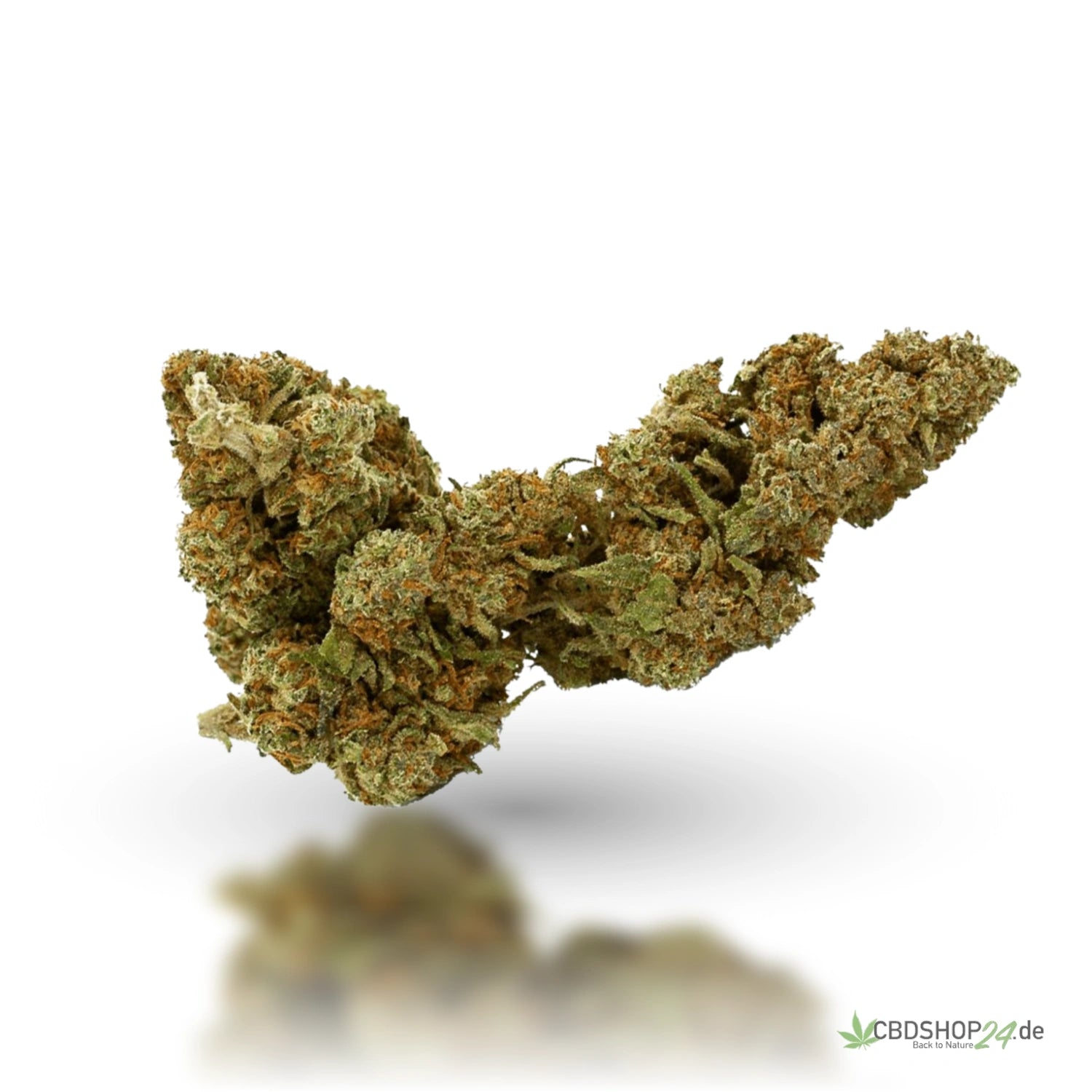
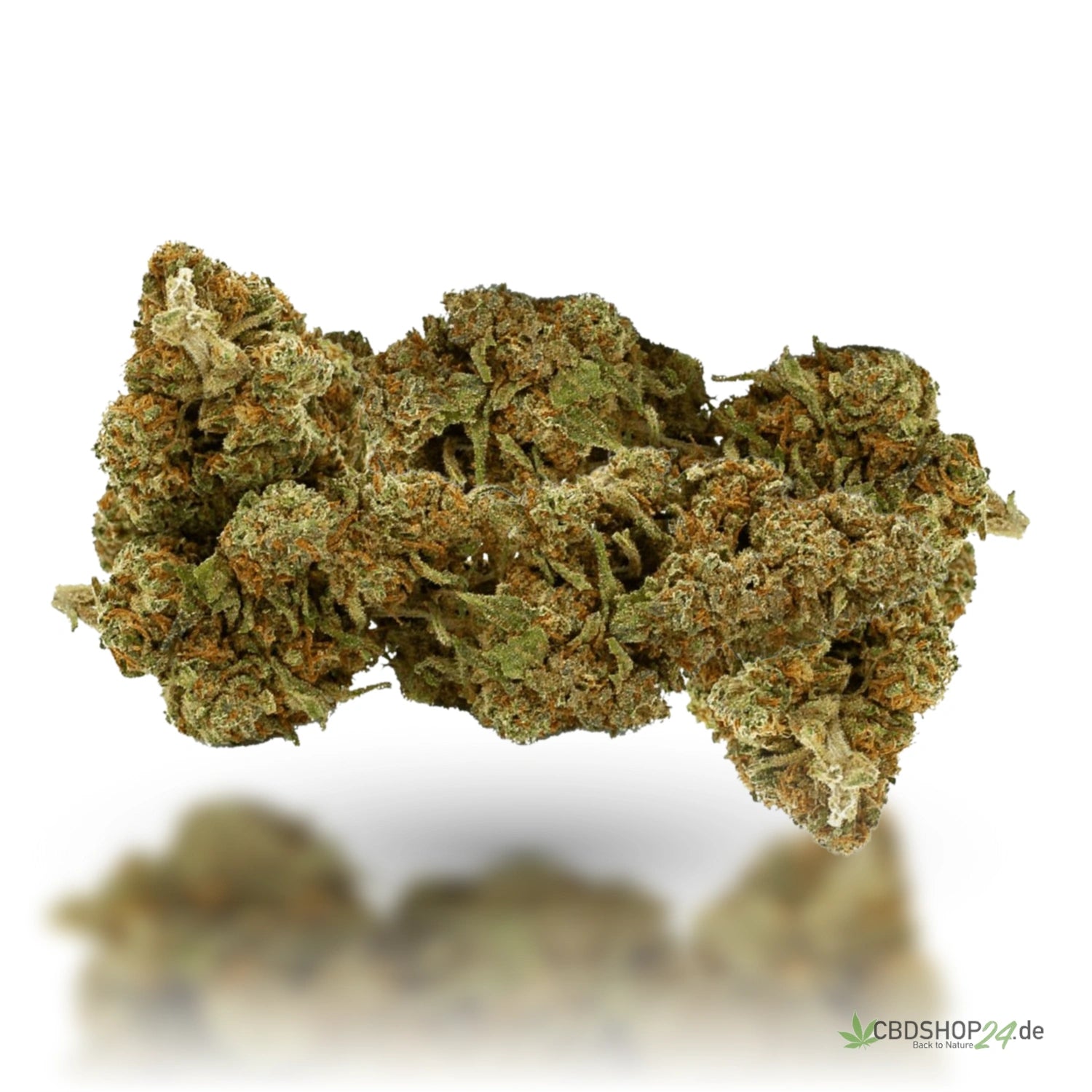
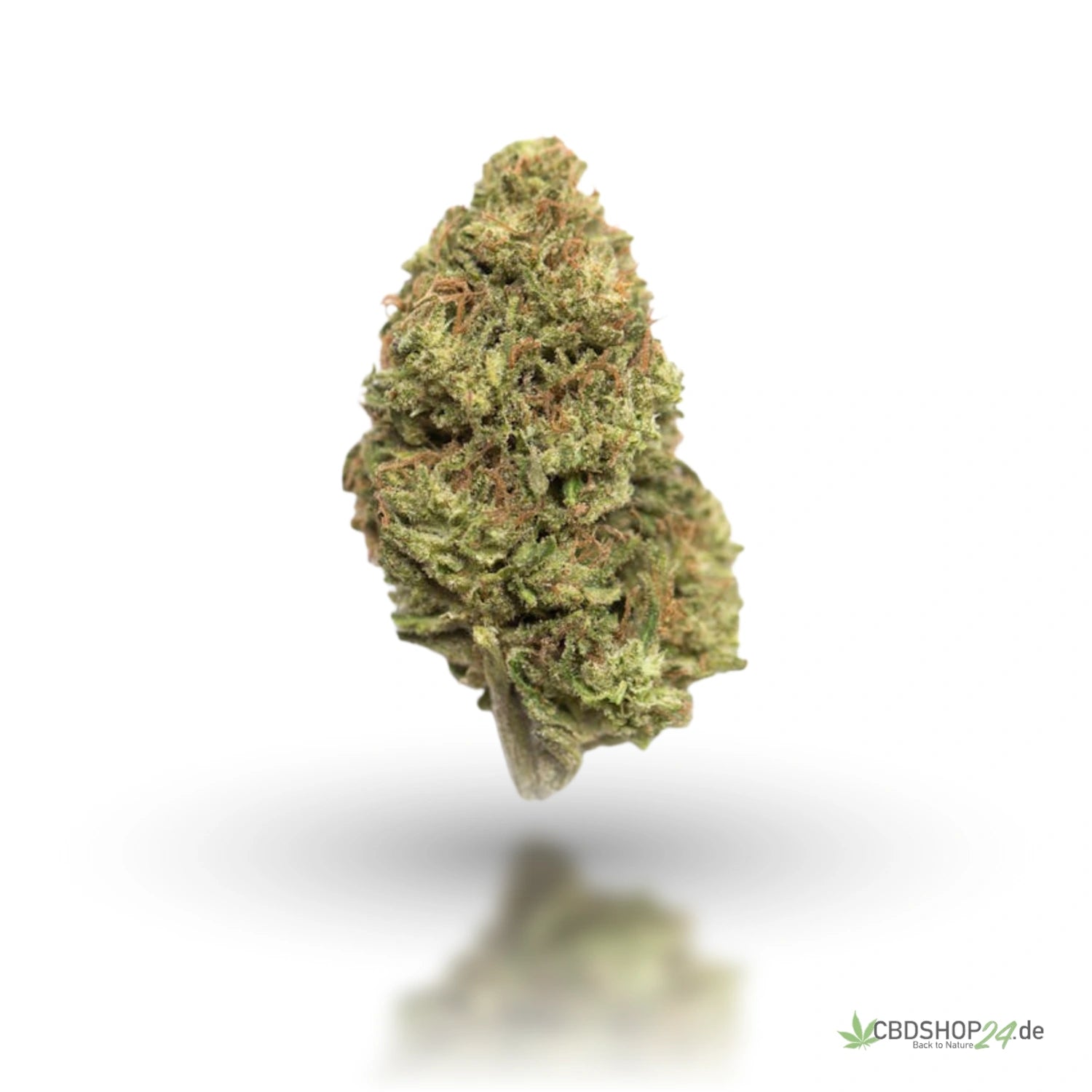
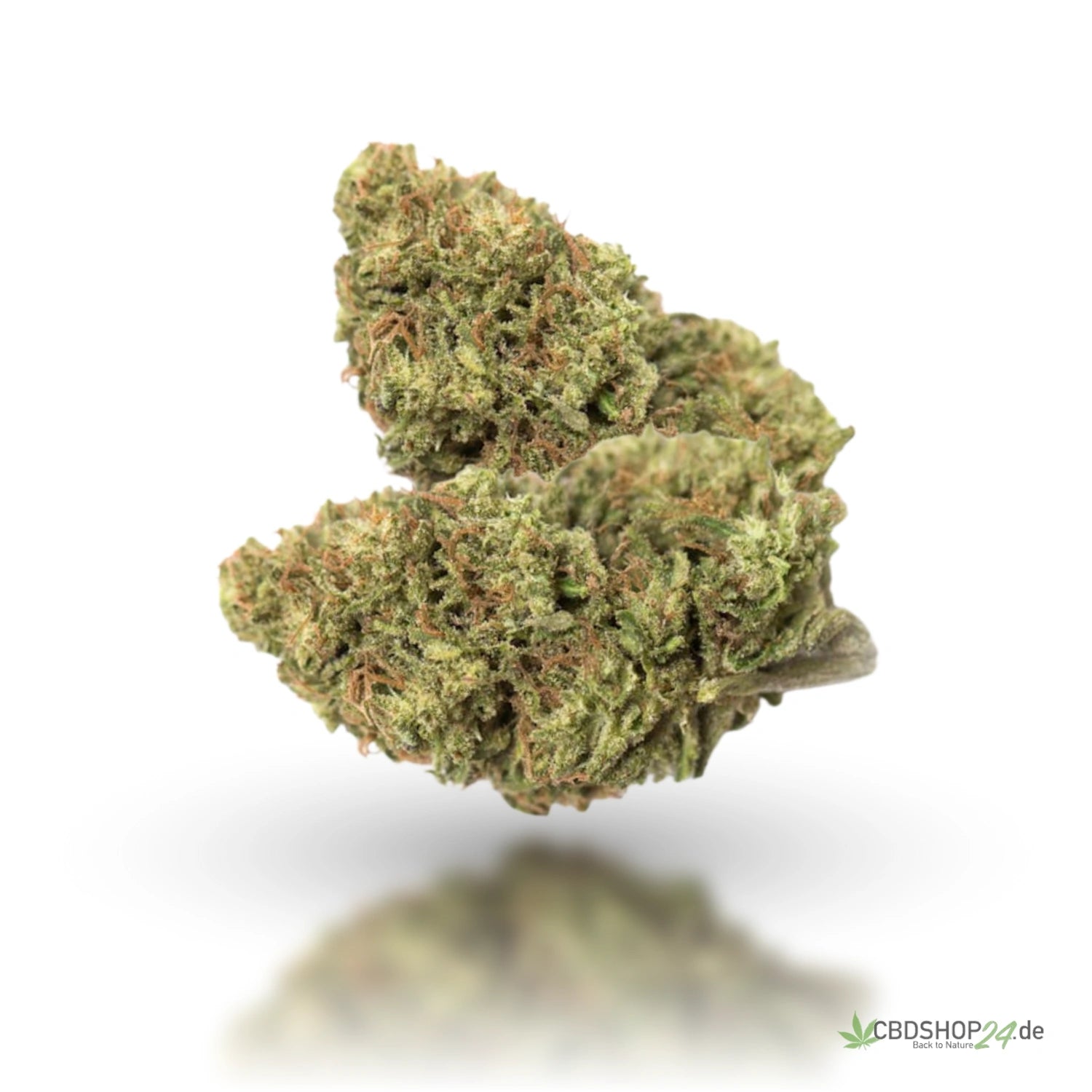
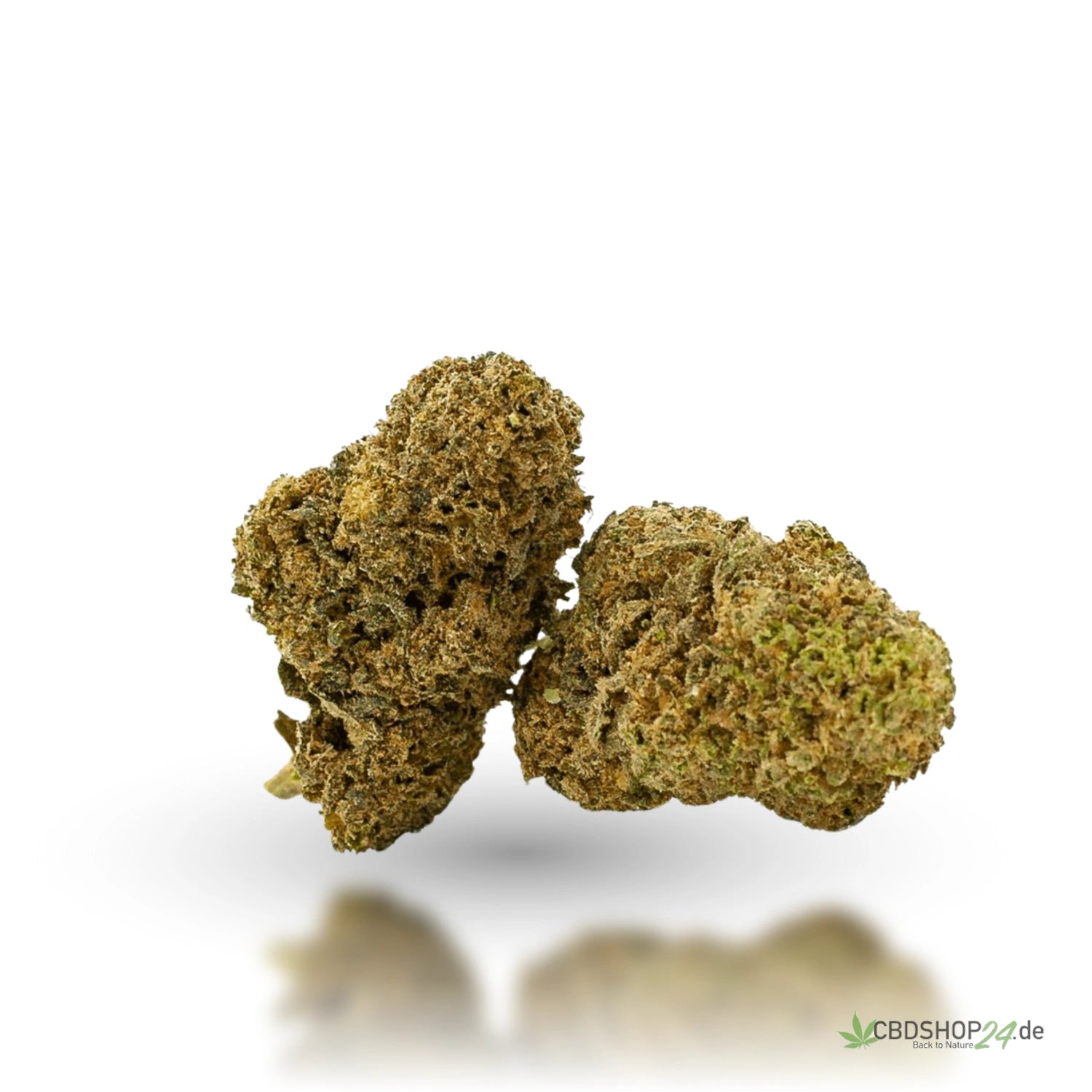
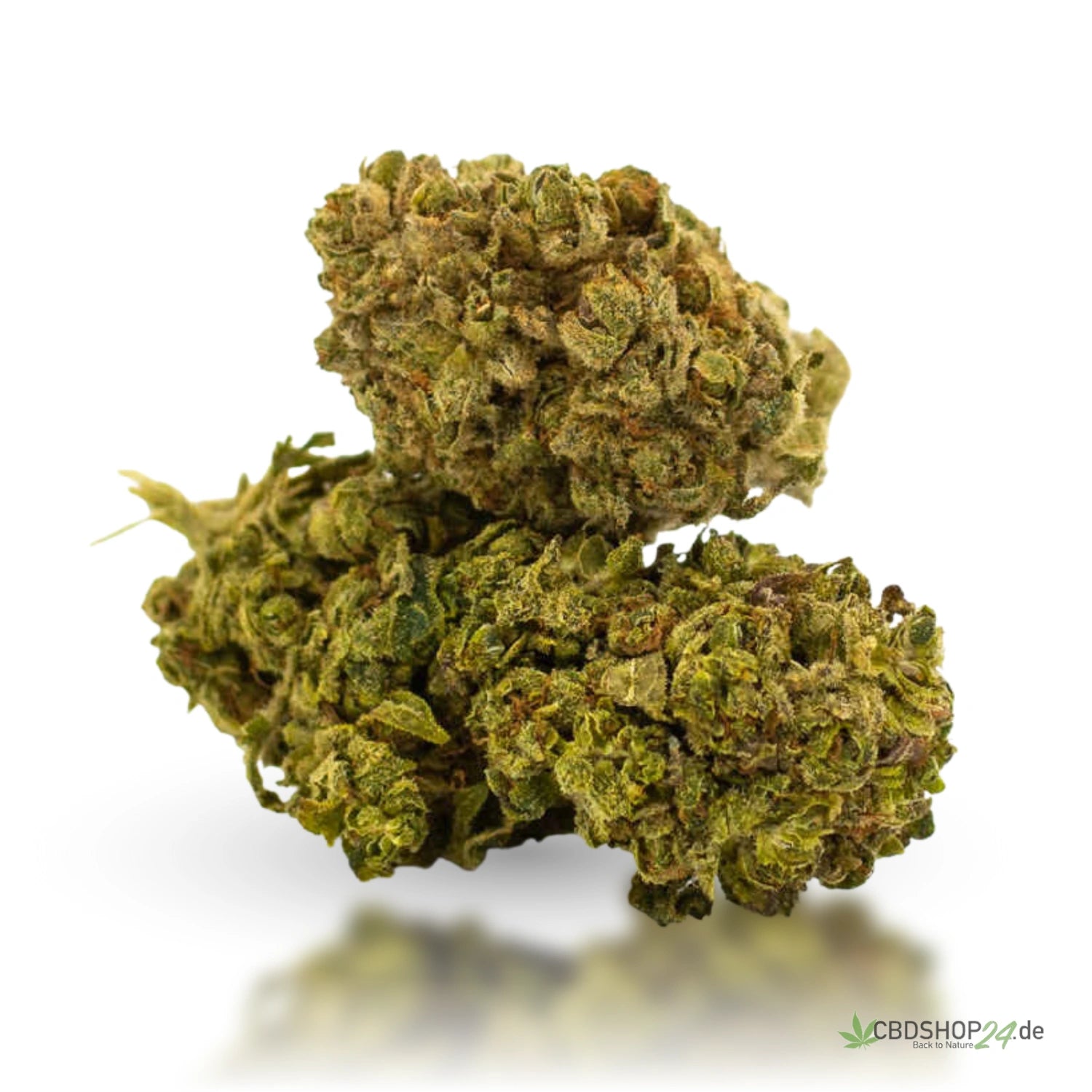
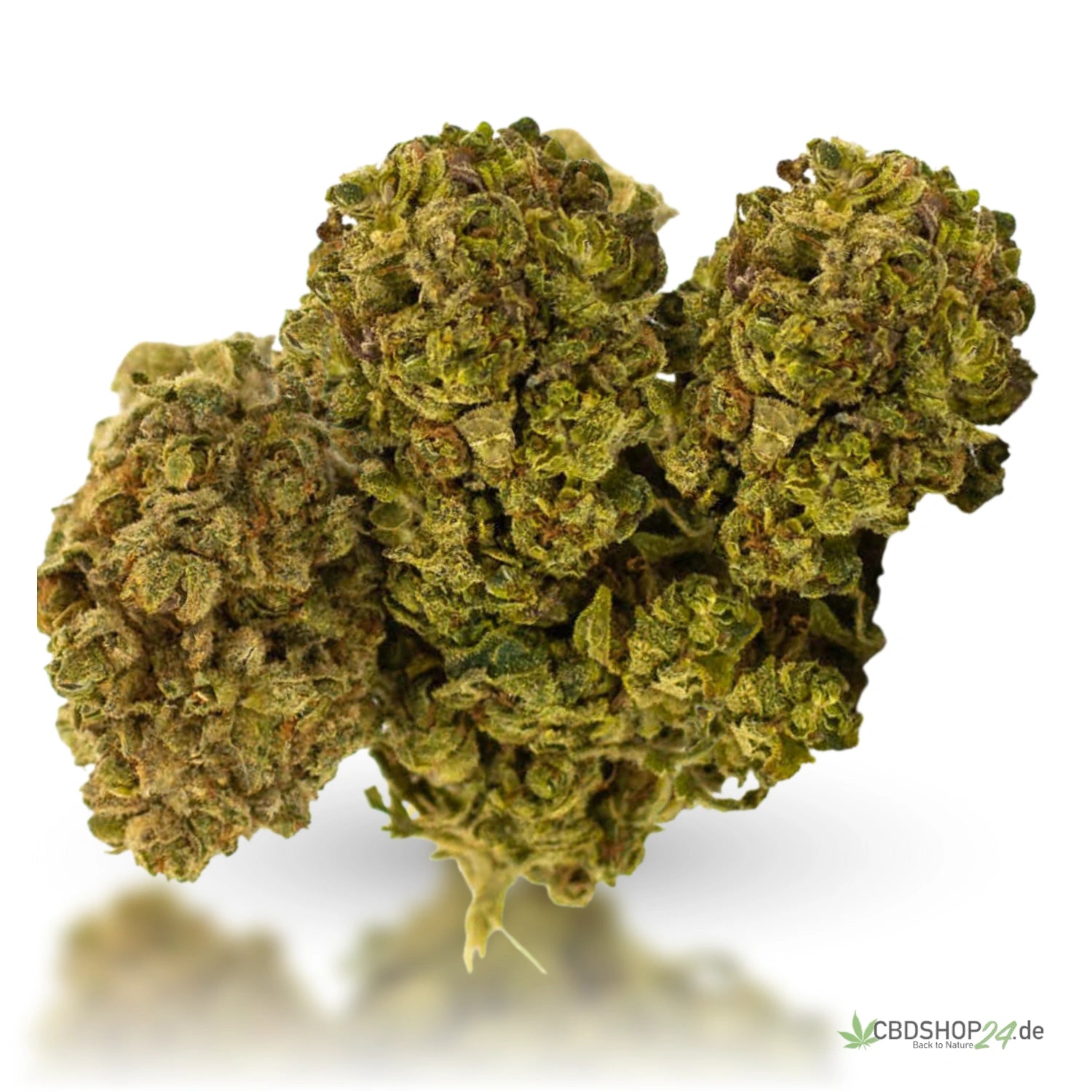
During the growth phase, no pesticides or herbicides are used. Instead, natural pest control methods are applied. The plants mainly develop their cannabinoids in the Flowers, which is why these are especially important later—just like with CBD Flowers that are sold unprocessed.
Step 2: Harvesting at the right time
The right harvest time is crucial for CBD production. If harvested too early, the CBD content is still low. If harvested too late, the cannabinoid profile can shift in an unwanted way.
Harvesting is usually done:
- by hand at smaller operations
- by machine on larger fields
After harvesting, the plants aren’t processed right away. First, a gentle drying process begins, which can take several days to weeks. The goal is to reduce moisture without destroying valuable plant compounds.
Step 3: Drying and further processing the plants
After harvesting, the hemp plants are dried and then shredded. This step is important to efficiently prepare for the extraction of CBD.
During drying:
- cannabinoids stabilize
- terpenes are preserved as much as possible
- mold growth is prevented
The more even this process is, the higher the quality of the starting material for actual CBD production. The Flowers (check out our big Flowers guide) are treated especially carefully, since they contain the highest CBD content.
Step 4: Extraction – getting CBD out of the plant
Extraction is the key step in CBD production. This is where the cannabidiol is separated from the plant material. There are different methods for this, which vary in quality and effort.
CO₂ extraction (supercritical CO₂)
CO₂ extraction is considered the standard for high-quality CBD products. Under pressure and controlled temperature, carbon dioxide is used to extract CBD and other plant compounds. The benefits are no solvent residues, high purity, and precise control of the extract.
Ethanol extraction
This method uses ethanol as a solvent. It’s efficient, but needs careful post-processing to avoid residues.
Oil extraction
A simple method, mainly used for small quantities. It hardly plays a role in the professional market.
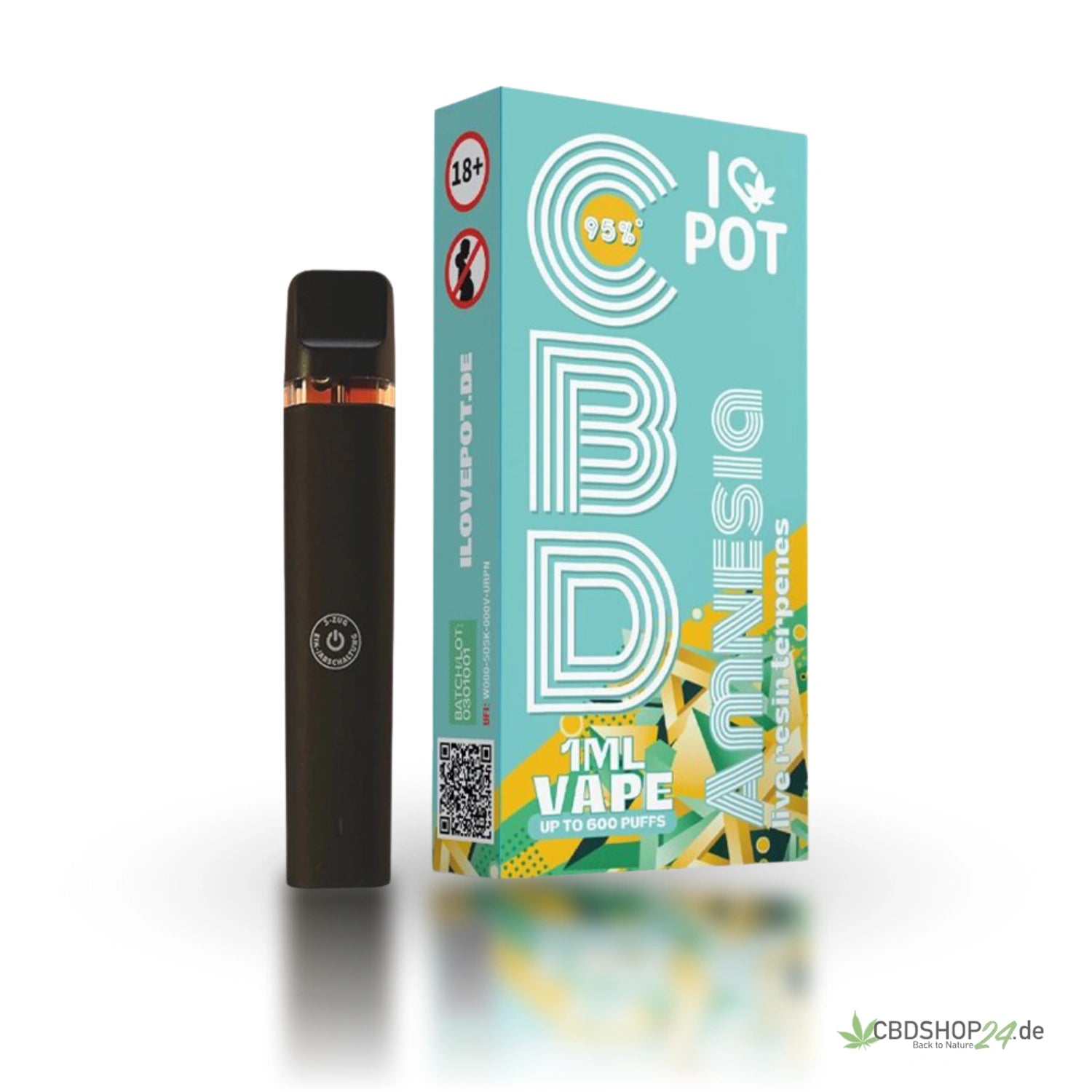
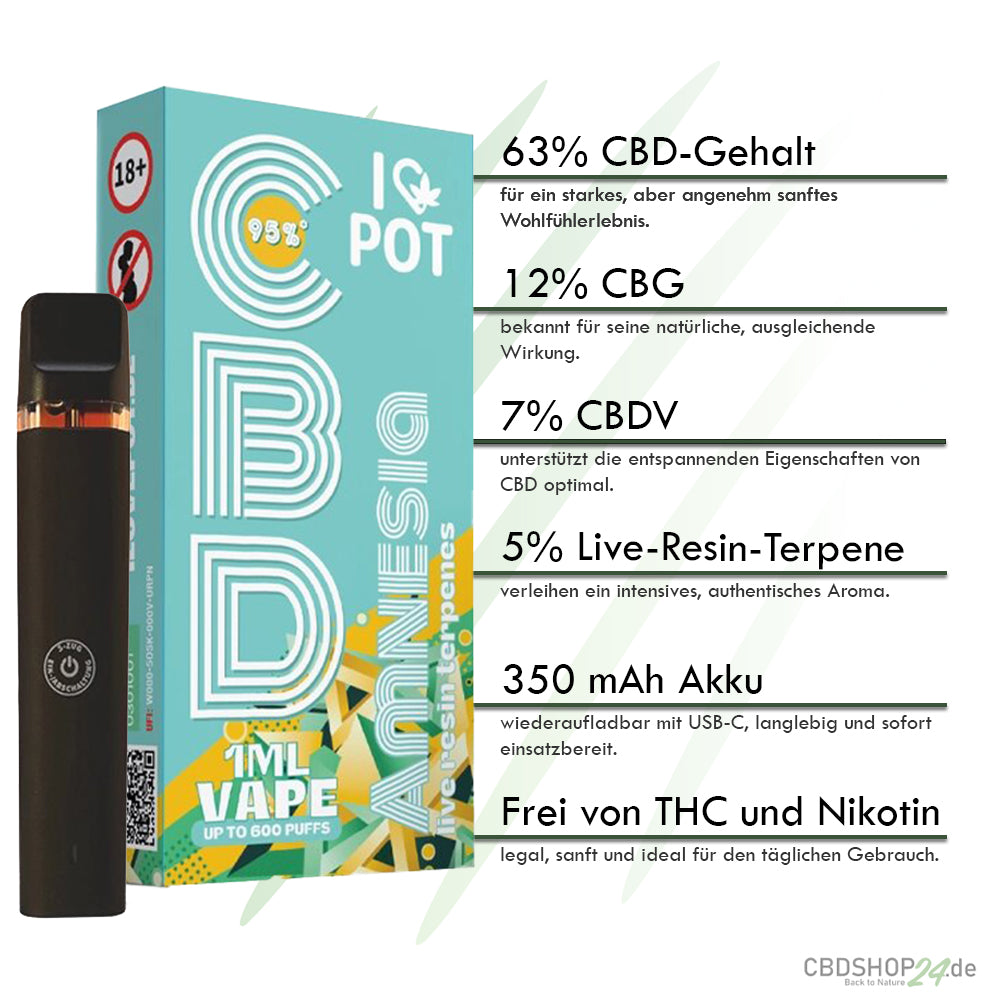
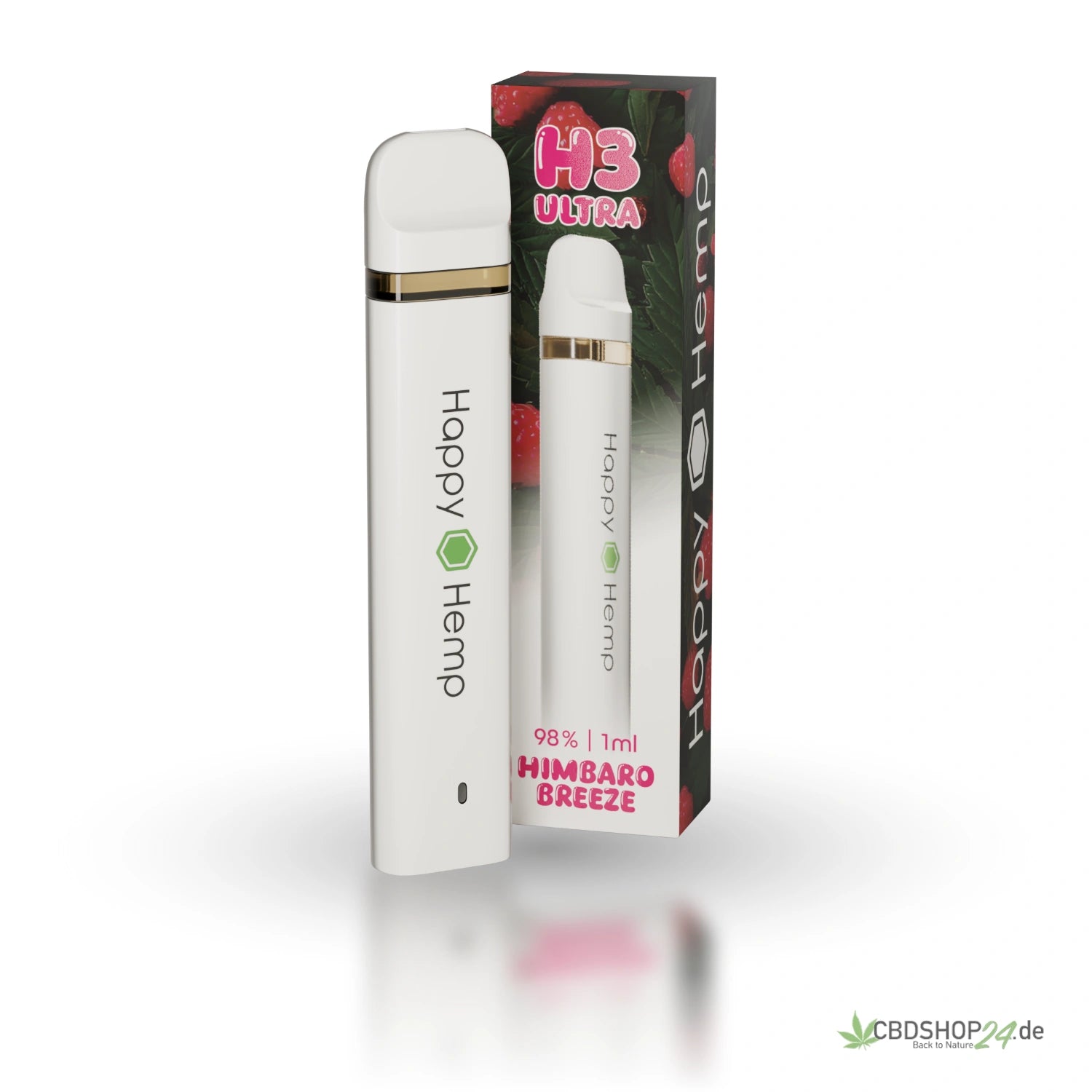
For modern products like CBD vapes, extract purity is especially important, which is why almost exclusively CO₂ extracts are used here.
Step 5: Filtering and purifying the extract
After extraction, the raw extract contains not only CBD but also things like waxes, fats, and plant residues. These are removed in a multi-stage process.
Typical methods:
- winterization (cooling and filtration)
- fine filtration
- distillation
The result is a purified CBD extract that can take different forms depending on further processing—from full spectrum to broad spectrum to isolate.
Step 6: Decarboxylation – activating CBD
In the hemp plant, CBD is present as CBDA at first. Only heat turns it into its active form, CBD. This process is called decarboxylation and is a standard part of CBD production. In this step:
- controlled heat is applied
- the cannabinoid profile is stabilized
- the desired product form is prepared
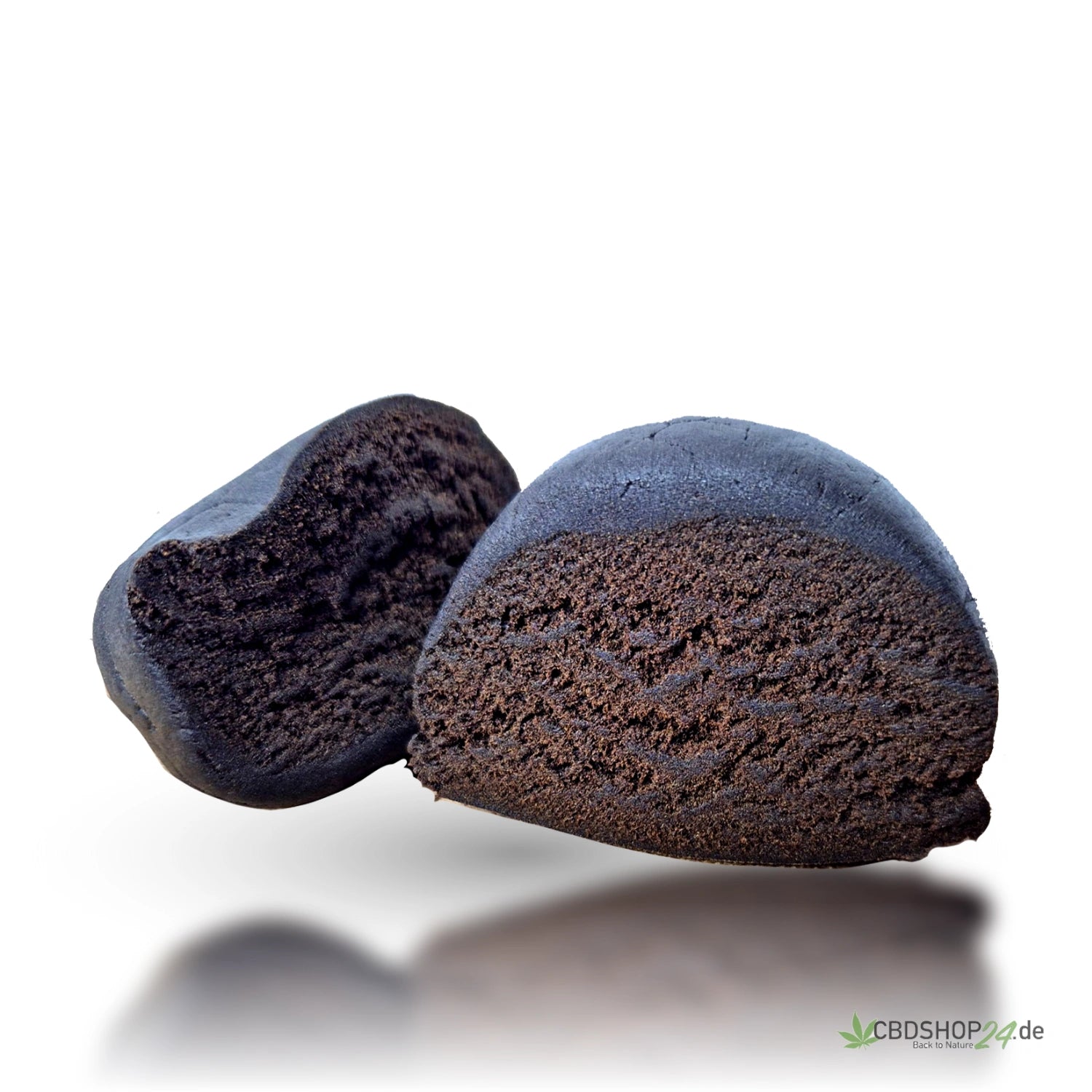
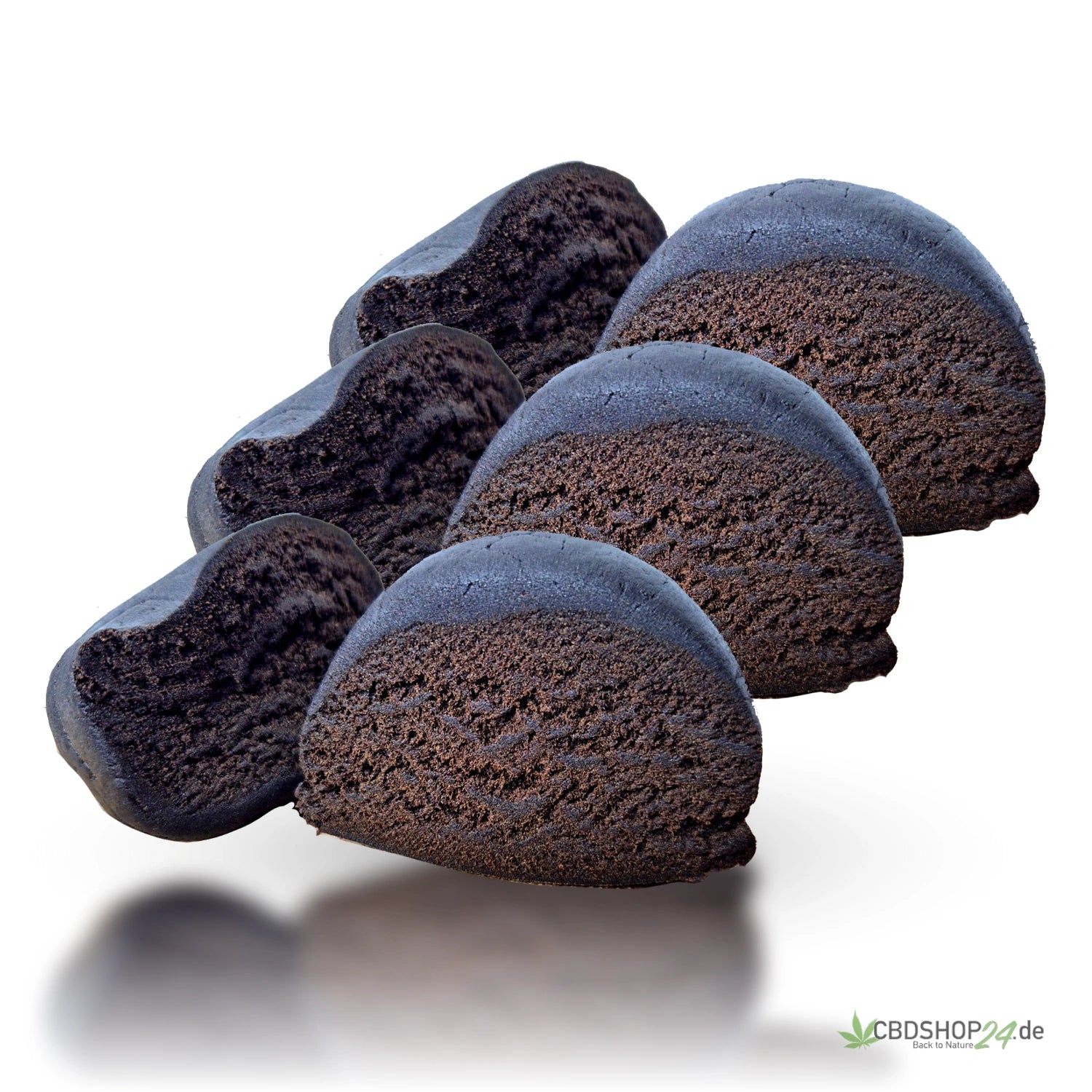
This step is especially important for products like CBD hash, where consistency and cannabinoid structure really matter.
Step 7: Further processing into end products
After decarboxylation, the CBD extract is processed into various products. Depending on the target product, the final step in CBD production can look quite different. Examples:
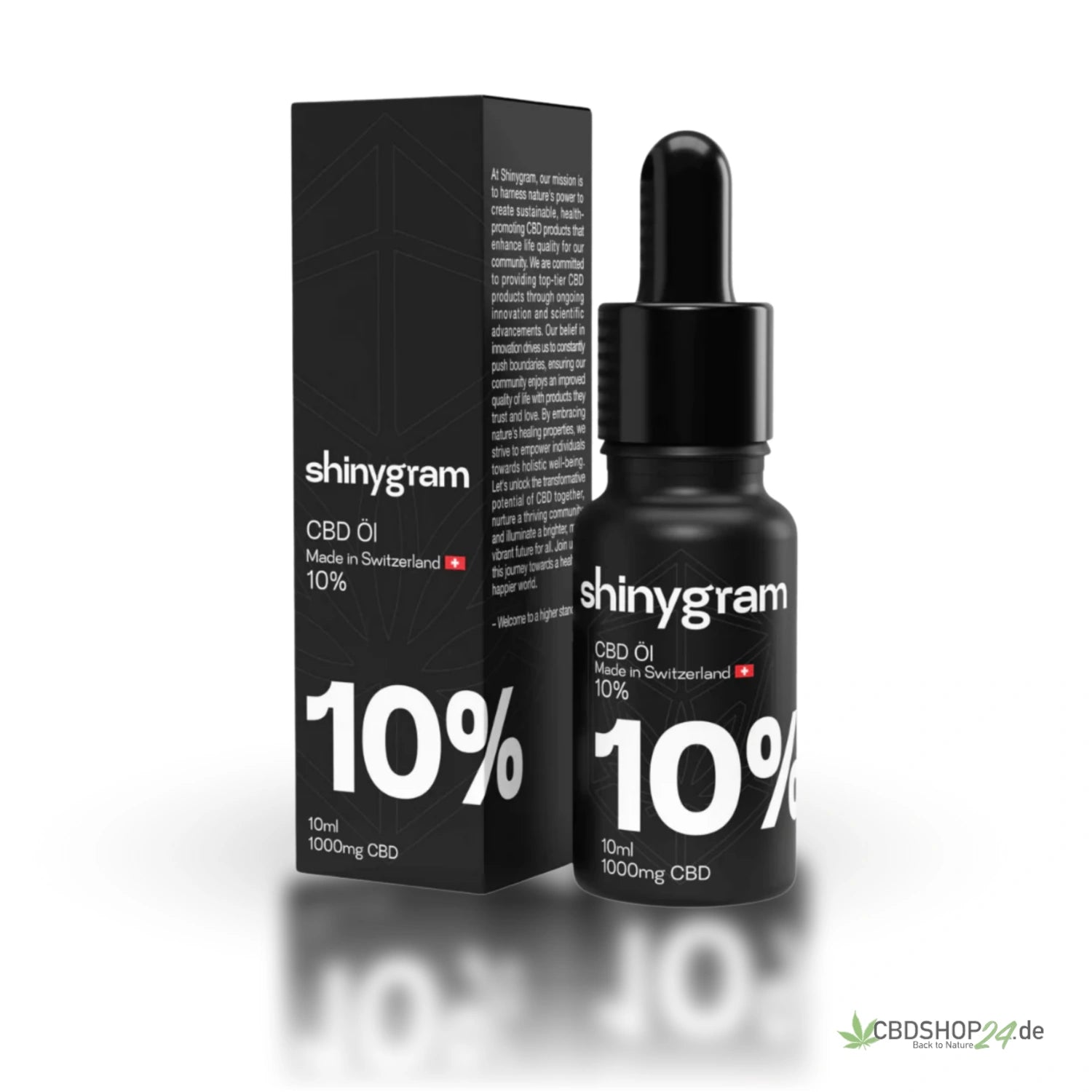
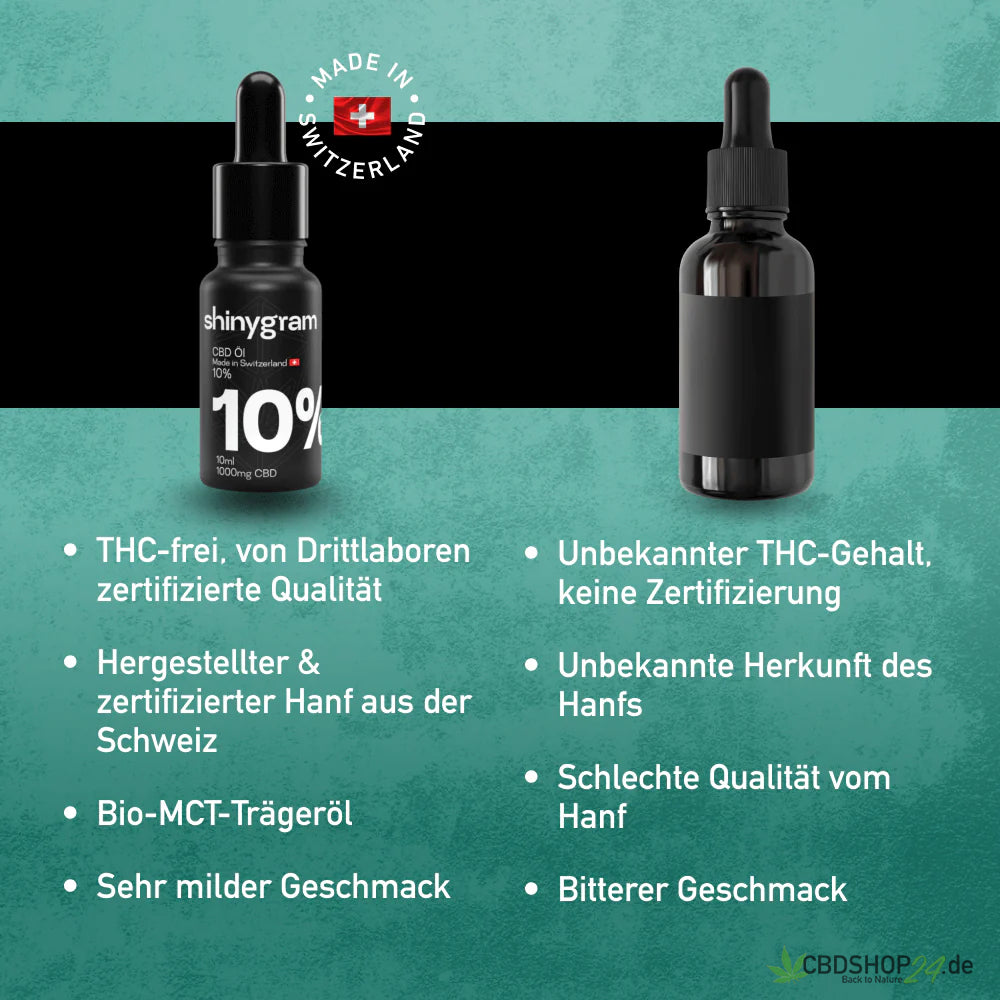
- Mixing with carrier oils for CBD oils
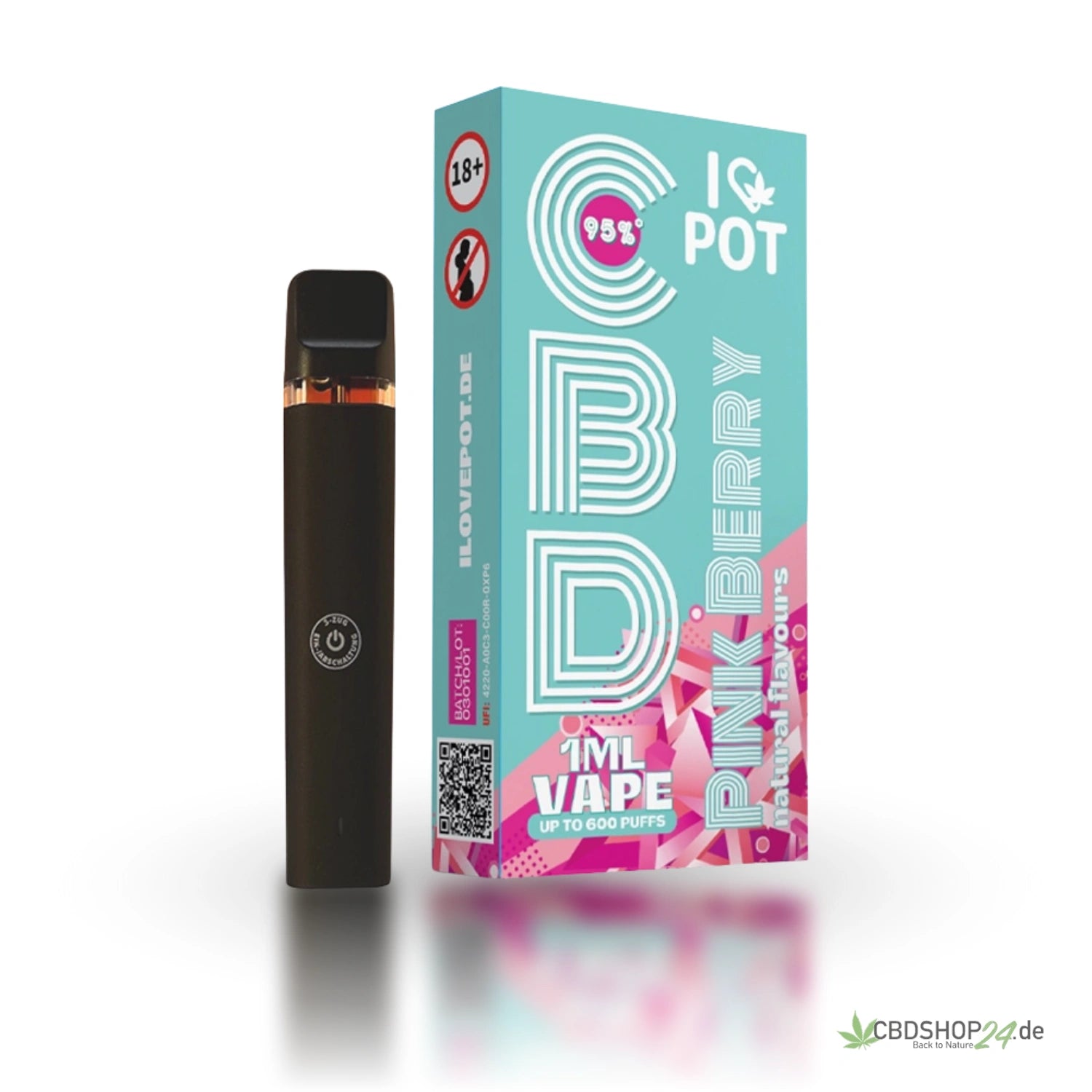
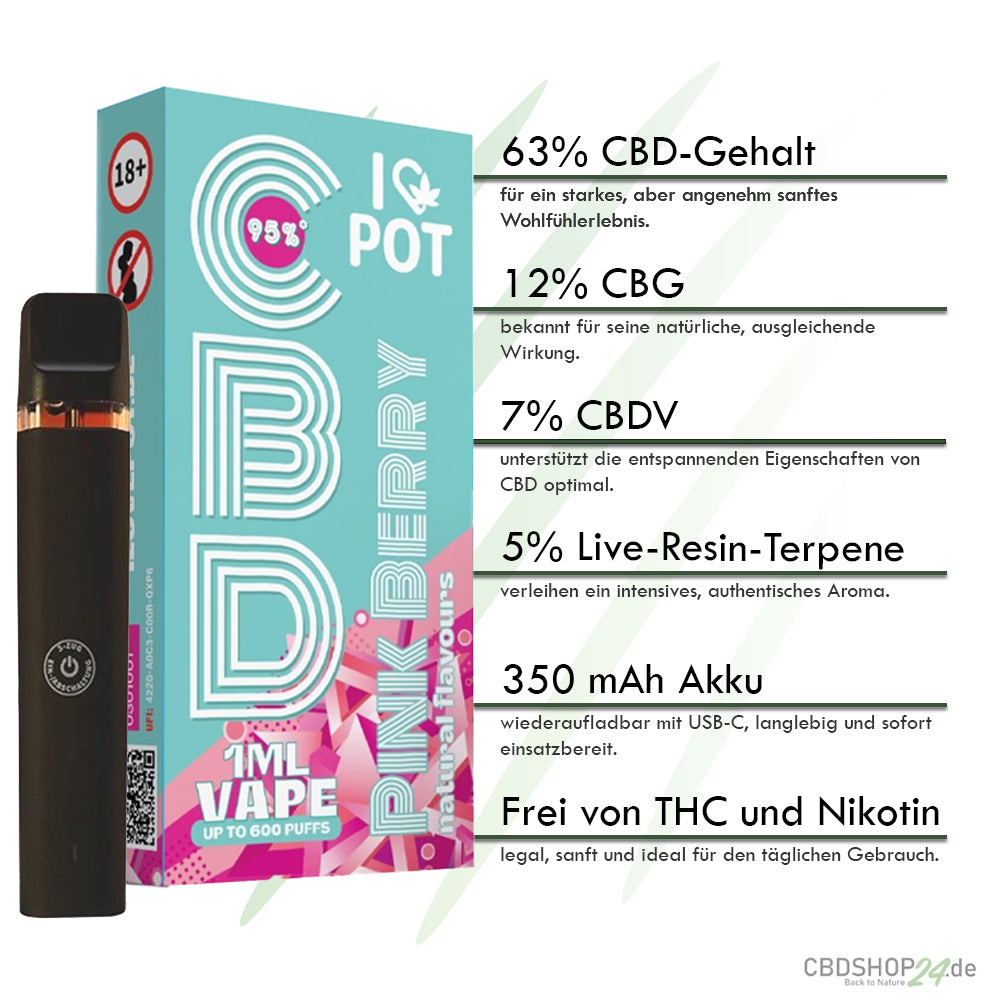
- Processing into Liquids for vapes
- Pressing or refining for hash products
Production doesn’t end here, but is tailored to the specific product. Flavor profiles, textures, and concentrations are also set during this phase.
Quality assurance and lab analysis
An essential part of CBD production is quality control. Reputable manufacturers have their products regularly tested by independent labs.
The following are checked, among other things:
- CBD and THC content
- Heavy metals
- Pesticides
- Solvent residues
This is the only way to make sure the products meet legal requirements and deliver consistent quality.
Legal aspects of CBD production
CBD production in Germany and the EU is subject to clear legal regulations. The key points are the use of EU-certified industrial hemp, compliance with the legally permitted THC limit, and the fact that CBD products can't be classified as medicines.
A look at CBD production
If you dig into how CBD is made, you'll quickly notice there's a lot more behind these products than just a hemp extract. From growing and harvesting to extraction, every step is designed to be as clean and controlled as possible.
That's exactly why CBD products can vary so much, and why details about origin or processing are more than just marketing buzzwords. They actually tell you how carefully a product was made.
This helps you figure out which products are made transparently and where quality really matters. At CBDShop24, that's a top priority: all products are tested, come from traceable production processes, and meet all current legal requirements. When sellers are open about how CBD is produced, rely on lab tests, and don't make big promises, that's a sign they're handling the raw material responsibly.
This understanding makes it easier to choose CBD products based on substance, not just price.
FAQ about CBD production
How long does the whole CBD production process take?
It can take several months from planting to the finished product. Growing and harvesting take up most of the time. The actual extraction and further processing are faster but technically demanding and strictly controlled.
Which extraction method is the best?
CO₂ extraction is considered especially clean and high-quality. It allows for precise control and leaves no residues. That's why it's mainly used for premium CBD products.
Is CBD from industrial production safe?
If all legal requirements are met and regular lab tests are done, CBD from controlled production is considered safe. The key factors are transparency, origin, and tested quality.
Why do CBD products vary in price?
Price differences come from the cultivation method, extraction process, purity, and quality control. More complex production methods and lab testing have a direct impact on the final price.
Is CBD always extracted from Flowers?
Mainly, yes. The highest CBD concentrations are found in the Flowers. Stems and leaves play only a minor role in CBD production.