



The question about the right CBD amount is one of the most common uncertainties when it comes to using cannabidiol. A lot of people assume that CBD works like classic supplements: a set amount, a clear result, a predictable process. But in practice, it quickly becomes clear that CBD is experienced much more individually. Physical factors, personal expectations, and the type of product you choose all play a key role.
If you want to use CBD in a way that works for you, you mainly need patience, to pay attention to your own body, and a realistic understanding of how to approach CBD. You’ll find the important points here, plus we’ve put together a little template for a helpful usage journal.
Using CBD in a way that fits you
Using CBD in a way that makes sense doesn’t mean sticking to a certain amount. It’s much more about finding your own way to use the product. Cannabidiol doesn’t work on the “more is better” principle, but depends on consistency, gradual increases, and your own perception. Especially if you’re new to this, it’s easy to underestimate how differently people can react to the same product. What one person barely notices, another might feel strongly.
In practice, a mindful CBD routine means using your own body as a reference point. You should use it consciously, not just casually. Changes in your day-to-day life, general well-being, or how relaxed you feel are often only noticeable if you don’t use CBD randomly or inconsistently. CBD isn’t a product for a quick effect, but for gradually finding what works for you.
CBD use – there are no one-size-fits-all recommendations
People are always looking for set amounts they can just copy. But this is where one of the biggest misunderstandings about CBD comes in. There’s no universal CBD dosage because cannabidiol doesn’t react the same way in every body. Metabolism, physical stress, and personal sensitivity all vary a lot and really affect how it feels.
Typical reasons why one-size-fits-all advice doesn’t work include:
- different physical conditions and habits
- varying product quality and concentrations
- different ways to use it, with different absorption
- individual expectations of CBD and its properties
If you want to use CBD in a way that fits you, it’s best to forget about fixed numbers and instead go for a structured, personal approach.
If you’re not getting the results you want, be patient
The feeling that CBD isn’t delivering what you hoped for happens more often than you’d think. But most of the time, it’s not because of the product quality, but because of how it’s being used. CBD is often started too low or used too inconsistently. A really short trial period can also mean you don’t notice any effects. CBD needs time to find its place in your daily routine, since changes are usually subtle.
Plus, CBD doesn’t create a clear, instantly noticeable change in the usual sense. A lot of people expect a strong experience, but miss the small shifts in how they feel overall. Especially if your expectations are too high, you might quickly decide CBD isn’t right for you, even though you haven’t really given it a fair shot.
Common reasons for feeling like CBD isn’t working for you:
- trying it for too short a time
- using it inconsistently
- very low amount without gradually increasing
- expecting the wrong things from the product
These factors affect how you experience it
The right CBD amount depends on several factors that should always be considered together. Body weight and metabolism affect how quickly and strongly you notice cannabidiol. Your daily life matters too—like how stressed you are, how much downtime you get, or how active you are. These things determine how sensitive your body is to outside influences.
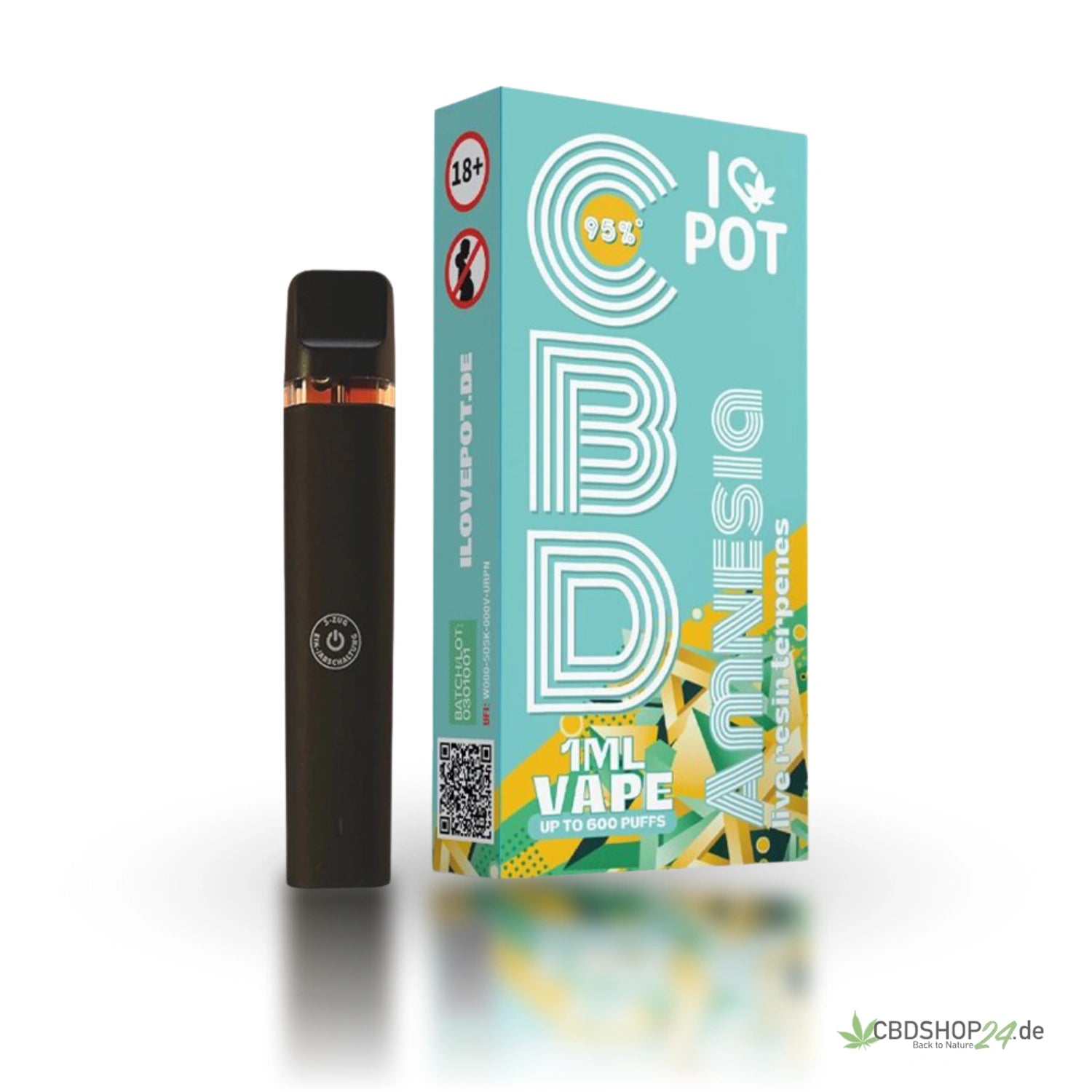
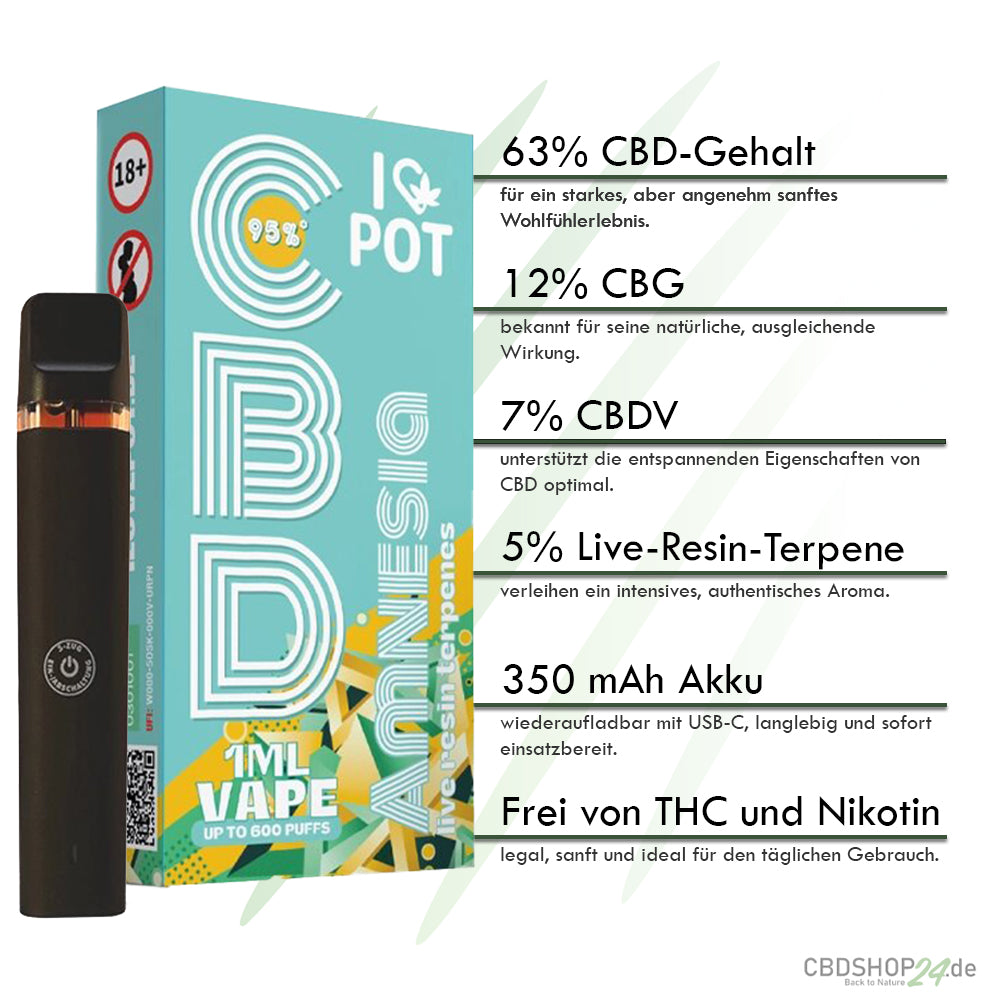
The product itself is also key. Different concentrations, forms, and processing quality create different experiences. CBD oil feels different than CBD vapes or capsules. How regularly you use it also affects whether CBD feels steady or barely noticeable.
Important factors include:
- your own physical makeup
- product type and CBD concentration
- when and how often you use it
- your personal sensitivity and expectations
Step by step to the right CBD amount
A tried-and-true approach for using CBD is to go step by step. Instead of starting with a high amount, start low with CBD on purpose and observe over a period of time. This lets you notice changes more clearly and avoid taking more than you need. Gradually adjusting helps you get a feel for the product without overwhelming your body.
Give yourself enough time between each adjustment. CBD doesn’t always show its effects right away—it often takes several days. If you want to use CBD the right way, don’t change the amount every day, but plan for steady phases. Only if you don’t notice any change should you consider a careful adjustment.
A structured approach to fine-tuning for yourself includes:
- starting low without pressure or expectations
- using it consistently for several days
- paying close attention to how you feel
- gradually adjusting if needed
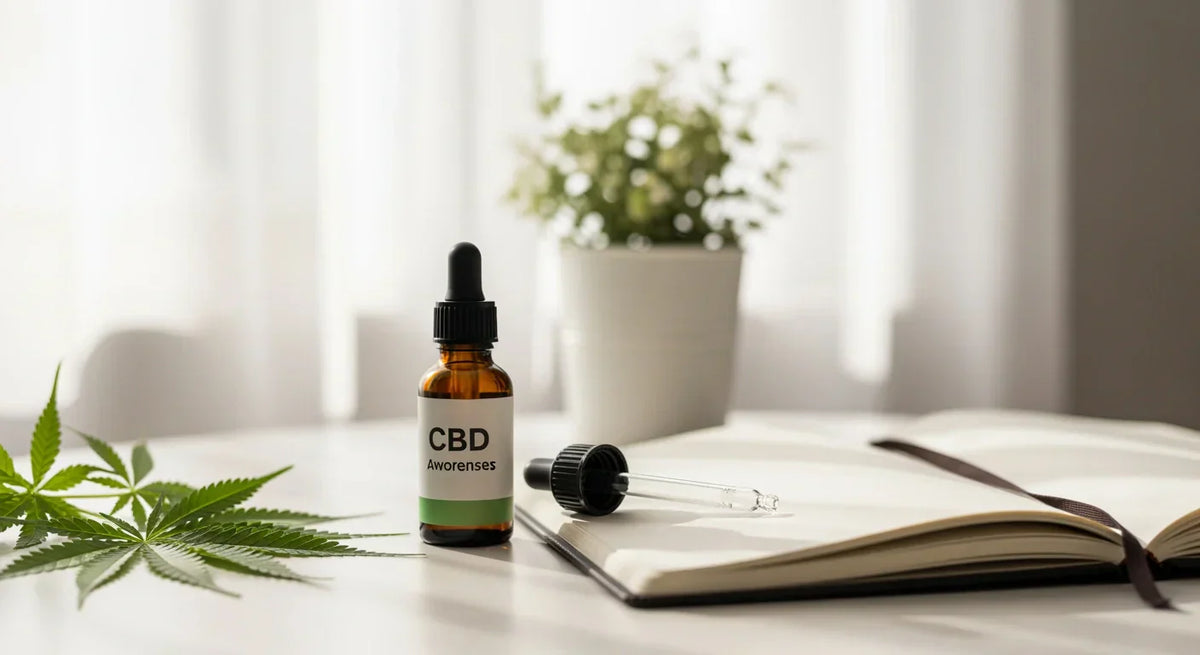
Why keeping a usage journal for CBD makes sense
A usage journal helps you keep track of your own consumption. Especially since CBD is perceived subtly, impressions can easily get lost in everyday life. By jotting down notes, you can spot connections more easily, like between the time you use it and how you feel. This kind of record helps you reflect and assess your own experiences more objectively.
On top of that, keeping notes protects you from jumping to conclusions too quickly. When you write down your experiences, you often only notice patterns or changes when you look back later. Documenting things gives you some distance from snap judgments and helps you use CBD more mindfully over a longer period.
Template for a personal CBD usage journal
Your journal doesn’t have to be complicated, but it should be organized. The goal is to record the important stuff without making your daily routine harder. You can use the template below as a guide and tweak it to fit your needs. What matters most is making honest, regular entries without judging things right away when you use it.
Example structure for a usage journal:
- Date
- Product / CBD form (e.g. oil, Vape, capsule)
- CBD concentration
- Time of use
- Amount (e.g. drops, puffs, serving)
- Personal impressions throughout the day
- Notes or special circumstances
| Date | Product / CBD form | CBD concentration | Time taken | Amount (e.g. drops / puffs / serving) | Impression (short) | Notes / special features |
|---|---|---|---|---|---|---|
| ____-__-__ | ________________ | ________________ | ________________ | ________________ | ________________ | ________________ |
| ____-__-__ | ________________ | ________________ | ________________ | ________________ | ________________ | ________________ |
| ____-__-__ | ________________ | ________________ | ________________ | ________________ | ________________ | ________________ |
| ____-__-__ | ________________ | ________________ | ________________ | ________________ | ________________ | ________________ |
| ____-__-__ | ________________ | ________________ | ________________ | ________________ | ________________ | ________________ |
Patience, consistency, and realistic expectations
CBD really shows its value when you use it calmly and consistently. Being impatient or constantly comparing yourself to other people’s experiences makes it harder to judge things objectively. If you want to use CBD in a way that works for you, remember it’s not a product for instant changes—it’s more about a long-term, personal approach.
Using it regularly for several weeks gives you a solid base for a realistic assessment. Small tweaks, regular check-ins, and keeping your expectations in check help you fit CBD into your daily life in a way that makes sense. Over time, you’ll develop a personal approach that works for you, no matter what others say, and puts your own experience front and center.
Note: The information provided is for general info and personal experience sharing only. It’s not medical advice, a diagnosis, or a treatment recommendation. Cannabidiol (CBD) isn’t approved as a medicine in Germany unless it’s specifically labeled as such.