


The holidays are traditionally seen as a time for peace, retreat, and relaxation. But in reality, a lot of us experience the exact opposite: appointments, family expectations, financial pressures, or just the desire to keep up with everything often make this time pretty exhausting.
Because of this, more and more people are interested in ways to deal with stress more consciously. The topic of CBD for stress is getting more attention from the media, researchers, and consumers alike.
So it's a good reason to take a look at what current studies have found about CBD and stress, and what kind of conclusions can actually be drawn. One thing up front: this area is still a big focus for science and research is far from finished.
Why CBD is being discussed in connection with stress
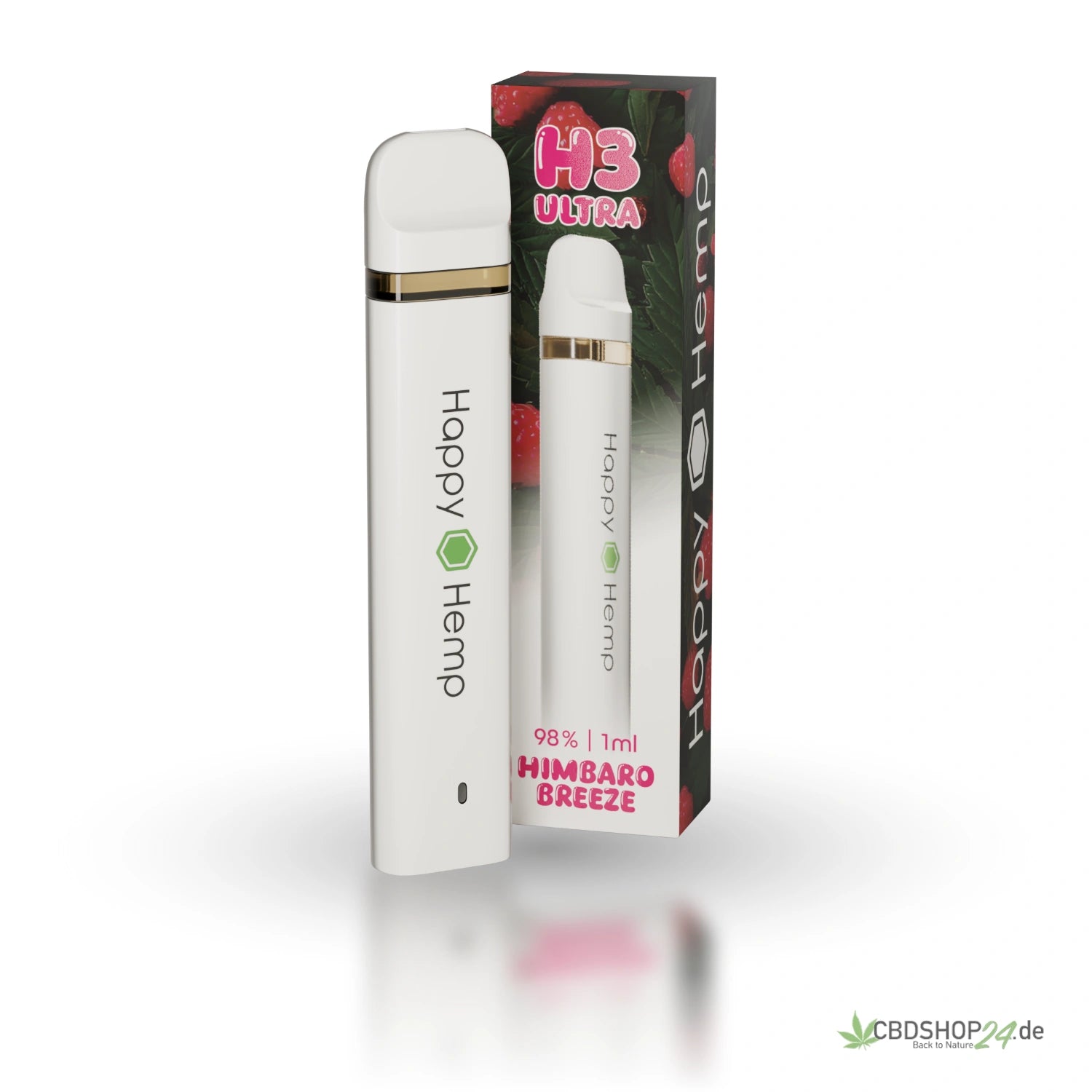
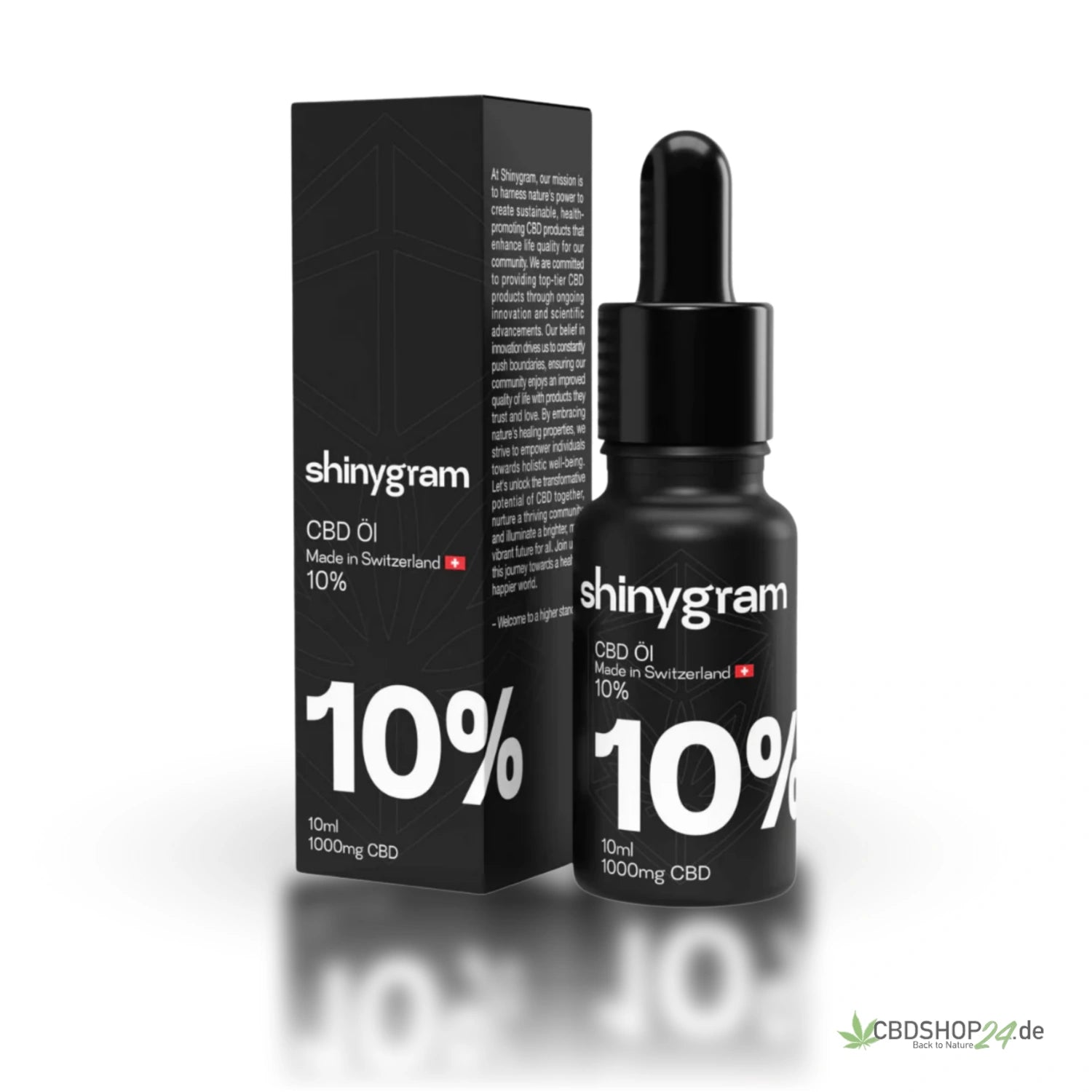
Stress isn't a clearly defined state—it's a complex mix of psychological, physical, and social factors. Stress can hit you suddenly or build up over time. At the same time, the use of CBD products has noticeably increased in recent years. Products like CBD oil or vapes are used by a lot of people in all sorts of everyday situations. Many are hoping to find some balance and relaxation with them.
From a scientific perspective, this growing interest is a good reason to take a closer look at CBD. Most research is about possible links between CBD and stress-related processes in the body. Here, it's important to always separate personal experiences, theoretical mechanisms, and really solid study results.
So, let's get to the current studies and what they've found.
Current Studies on CBD and Stress
Clinical Study on Acute Stress Response (BMJ Open, 2024)
A study published in the journal BMJ Open in 2024 looked at how CBD affects acute stress responses in a controlled setting. The researchers used a randomized, placebo-controlled design with healthy participants. The goal was to see if there were any differences in subjective perception or physiological parameters under standardized stress conditions.
The participants were deliberately exposed to stressful situations, including through virtual reality (VR). Both self-reports and measurable factors like heart rate and cortisol levels were recorded. This study offers a solid methodological approach to understanding acute stress in the lab. At the same time, its significance is limited since it only looks at short-term effects in an artificial situation.
Study Summary:
- Study design: randomized, placebo-controlled
- Focus: acute stress reactions in the lab (VR)
- Data: subjective perception & physiological markers
- Limitation: short duration, limited number of participants
- Classification: exploratory study with no long-term conclusions
Current Result:
In short, there were no clear effects on physiological stress markers like heart rate or cortisol. Because of the exploratory design and short duration, the results should be interpreted with caution.
Neuroimaging Study on Stress Processing (ClinicalTrials.gov, 2025)
Another research project has been registered on ClinicalTrials.gov since 2025 and is focused on the neural processing of stress. This study is still ongoing and uses imaging techniques to make stress responses in the brain directly visible.
The main goal is to understand if and how neural activity patterns change under stress when CBD is administered. It's not just about gut feelings, but about measurable processes in the central nervous system. Studies like this are important for basic research, but they don't provide direct recommendations for everyday use yet. Since this is an ongoing project, final results aren't available yet, so we'll have to wait and see what comes out.
Study Summary:
- Study design: ongoing clinical study
- Focus: neural stress processing
- Methodology: imaging techniques (neuroimaging)
- Status: no results published yet
- Classification: purely basic research
Current Result:
Since the neuroimaging study has been ongoing since 2025, no results have been published yet. The aim is to make stress processing in the brain measurable under controlled conditions. So, there are no concrete statements about effects yet, and we'll have to wait for the final analyses.
Short-Term Study on CBD Oil and Psychosocial Stress (Journal of Cannabis Research, 2025)
In 2025, the Journal of Cannabis Research published a study on the short-term use of CBD oil and psychosocial stress. The study lasted about 30 days and was mainly based on self-reports from participants.
Especially interesting: The results showed how much subjective perception can be influenced by expectations. Changes in perceived stress couldn't clearly be separated from placebo effects. The authors specifically pointed out that the psychological component ("expectation plays a role") is huge when evaluating these results.
Study Summary:
- Study design: short-term observation (30 days)
- Focus: psychosocial stress in everyday life
- Results: no clear distinction from placebo
- Special aspect: strong role of expectations
- Classification: highlights the limits of research
Current Result:
The short-term study from 2025 couldn't show any clear differences between CBD oil and placebo regarding perceived psychosocial stress. Changes in self-reports were strongly linked to individual expectations. The results highlight how important psychological factors are and that these findings should be interpreted carefully.
Meta-Analysis on CBD and Anxiety (2024)
Since stress and anxiety are closely linked physiologically, it's worth looking at related areas. A meta-analysis from 2024 summarized several clinical studies on CBD and anxiety.
The analysis did find some indications of connections, but emphasized that these depend a lot on the study design, dosage, and duration. You can't draw direct conclusions for stress from this, but the work gives a valuable overview of the often very mixed data.
Study Summary:
- Study design: systematic review (meta-analysis)
- Topic: anxiety as a stress-related area
- Result: very mixed (heterogeneous) data
- Limitation: inconsistent methods in individual studies
- Classification: indirect relevance for stress research
Current Result:
The data is described as mixed overall, so no clear conclusions can be drawn. For stress, this only gives indirect clues—the results mainly highlight how complex and inconsistent the research has been so far.
Putting Studies and Real-World Experience in Perspective
The current research shows: CBD is being studied a lot, but the results don't form a complete picture yet. It's important to distinguish between the different levels of research. While lab studies look at isolated aspects under controlled conditions
Theoretically, science discusses some fascinating mechanisms, like interactions with stress-related systems in the body. But for now, these are just hypotheses and not proof of a effects in daily life.
Lots of people do share positive personal experiences, but these stories are individual and can’t just be generalized. When looking at all the studies, you shouldn’t overinterpret the results right now, and personal experiences should always be seen in context.
So what can we currently say about CBD and stress?
Bottom line: CBD is a research field getting more and more attention when it comes to stress. Some studies show interesting findings, but it’s also clear that results can vary a lot depending on the study design, how things are measured, and the context. So, the current data doesn’t allow for blanket statements—what’s needed is a more nuanced look.
Whether CBD plays a role in your daily life is totally up to you. Stress isn’t an isolated thing—it comes from a mix of biological, psychological, and social factors. If you’re feeling constantly overwhelmed, you’ll usually need to take a closer look at your overall life situation, routines, and stressors. That’s true no matter what substances or trends are out there.
Small rituals, big effects
Regardless of studies and active ingredients, experience shows: It’s often the conscious breaks in your day that make the biggest difference. A personal ritual—like making a cup of tea, taking a quick walk around the block, or just a few minutes of mindful breathing—can help you break out of the “autopilot” of stress.
These regular routines signal to your body and mind: Now it’s time for a break. For many, CBD can be part of that ritual, like a mindful moment when you take it. We’ve put together some tips for evening rituals. In the end, it’s often the combo of structure, self-care, and setting clear boundaries that helps us keep our balance—even when things get hectic.
Want to see if CBD fits your lifestyle? Here you’ll find high-quality CBD products.
Sources & Studies (as of: 12/12/2025)
BMJ Open (2024): Effects of cannabidiol on psychosocial stress
ClinicalTrials.gov (2025): Study of Cannabidiol and Neuroimaging on Stress (NCT07278505)
Journal of Cannabis Research (2025): Effects of short-term cannabidiol treatment on response to social stress
Psychiatry Research (2024): Therapeutic potential of cannabidiol (CBD) in anxiety disorders – Meta-analysis