



Table of contents
- What is medical cannabis? ›
- Medical cannabis in Germany: who’s allowed to get it? ›
- Medical cannabis without a prescription: what’s allowed? ›
- Experiences with medical cannabis ›
- Medical cannabis and driving: what’s allowed? ›
- Medical cannabis: strains and effects ›
- Conclusion: medical cannabis – legally regulated, but still evolving ›
- FAQs ›
Medical cannabis is being used more and more often in Germany when classic medications aren’t enough. It can ease pain, reduce inflammation and improve sleep. It’s prescribed for chronic conditions like multiple sclerosis, epilepsy or severe pain. You can only get it with a prescription from pharmacies, where tested strains with defined THC and CBD content are available. Anyone without a prescription can use legal CBD products that don’t contain intoxicating THC and can be bought freely. This means the use of cannabis in medicine remains legally clearly regulated, but is becoming an increasingly important topic in society.
What is medical cannabis?
Medical cannabis refers to cannabis flowers or extracts that can be prescribed by a doctor and dispensed at a pharmacy. Unlike over-the-counter CBD products, they usually contain a higher proportion of THC (tetrahydrocannabinol), the active substance that can also be responsible for the intoxicating effects. Depending on the strain, content and individual dosage, medical cannabis can ease pain, relieve cramps or promote sleep.
How medical cannabis works
The effects of medical cannabis is based on the interaction of various cannabinoids, meaning plant-based active substances like THC, CBD, CBN or CBG. These bind to receptors in the so-called endocannabinoid system, which is involved in many bodily processes such as pain perception, mood and sleep. Depending on the composition, the effects can be relaxing, pain-relieving or appetite-stimulating. What’s always important is that the strain and dose are individually adjusted by the doctor.
Difference from recreational cannabis and CBD
While recreational cannabis is usually consumed for its psychoactive effects, the main focus with medical cannabis is its therapeutic benefit. The big difference compared to CBD is the THC content: CBD products in Germany are only allowed to contain trace amounts of THC and therefore don’t have an intoxicating effect. They’re considered legal and are freely available on the market, for example in our shop. Medical cannabis, on the other hand, requires a prescription and is subject to the German Narcotics Act.
Medical cannabis in Germany: who’s allowed to get it?
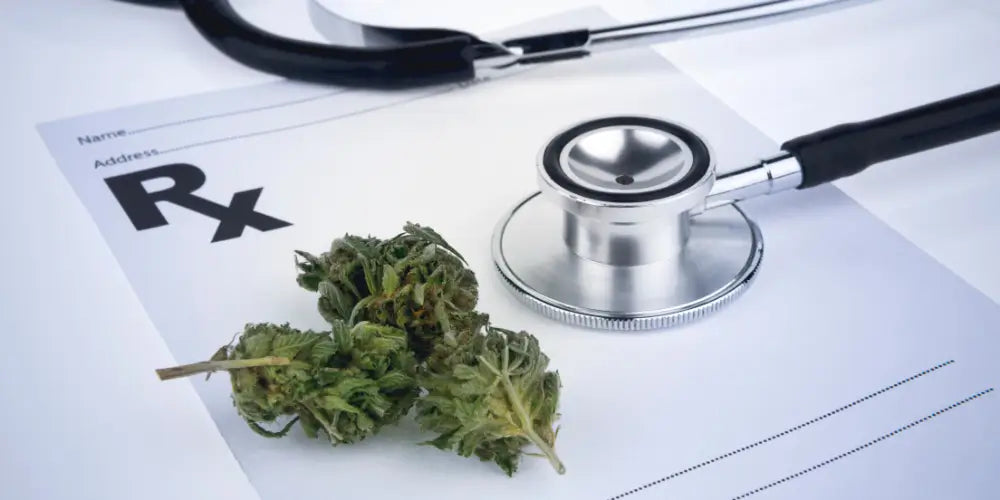
Since the legal change in 2017, medical cannabis has been officially approved as a medicine in Germany. Doctors are allowed to prescribe it if other therapies don’t show sufficient effects. Access is still strictly regulated though, because medical cannabis is not an over-the-counter product, but a prescription-only medication with clearly defined areas of use.
Requirements for a cannabis prescription
A prescription for medical cannabis can only be issued when other treatment options have already been exhausted or cause severe side effects. The decision lies with the treating doctor, who has to provide a medical justification for the therapy. The prescription is then filled at the pharmacy, where the cannabis is dispensed in standardized quality. Important: only approved cannabis flowers or extracts can be prescribed.
Typical conditions and areas of use
Medical cannabis is mainly used for the following conditions:
- chronic pain, e.g. in osteoarthritis, back problems or tumor diseases,
- multiple sclerosis and other neurological disorders,
- epilepsy and spasticity,
- loss of appetite and nausea, for example after chemotherapy,
- sleep disorders and inner restlessness,
- mental health issues such as anxiety disorders or depression.
The effects achieved depends heavily on the specific strain, the ratio of THC to CBD and individual tolerability. That’s why therapy should always be supervised by a doctor and adjusted regularly.
Costs covered by health insurance
In many cases, statutory health insurance funds cover the costs of medical cannabis – but only after prior approval. The treating doctor has to submit an application that proves the medical necessity. If this is approved, the health insurance funds cover the costs for Flowers, extracts or capsules. Without approval, patients have to pay the costs themselves, which can amount to several hundred euros a month depending on the dosage.
Medical cannabis without a prescription: what’s allowed?
The question of whether you can buy medical cannabis without a prescription keeps coming up online. Because the legal situation has changed several times in recent years, there’s often a lot of confusion. The basic rule in Germany is: medical cannabis is prescription-only and may only be dispensed in pharmacies with a doctor’s prescription. Anything else is not allowed.
Legal situation when buying cannabis without a prescription
The sale or purchase of medical cannabis without a doctor’s prescription is prohibited under the German Narcotics Act (BtMG). This also applies to orders placed online. Many supposed shops that offer “medical cannabis online without a prescription” are based abroad and violate German law. Anyone who orders from them risks not only losing their money, but also facing legal consequences.
Risks of buying medical cannabis online
Products advertised online as “medical cannabis without a prescription” often come from dubious sources. The ingredients are often not tested, the origin is unclear, and there’s a risk of receiving contaminated or incorrectly labeled goods. Such offers are not only illegal, but also pose health risks.
Legal alternatives to medical cannabis
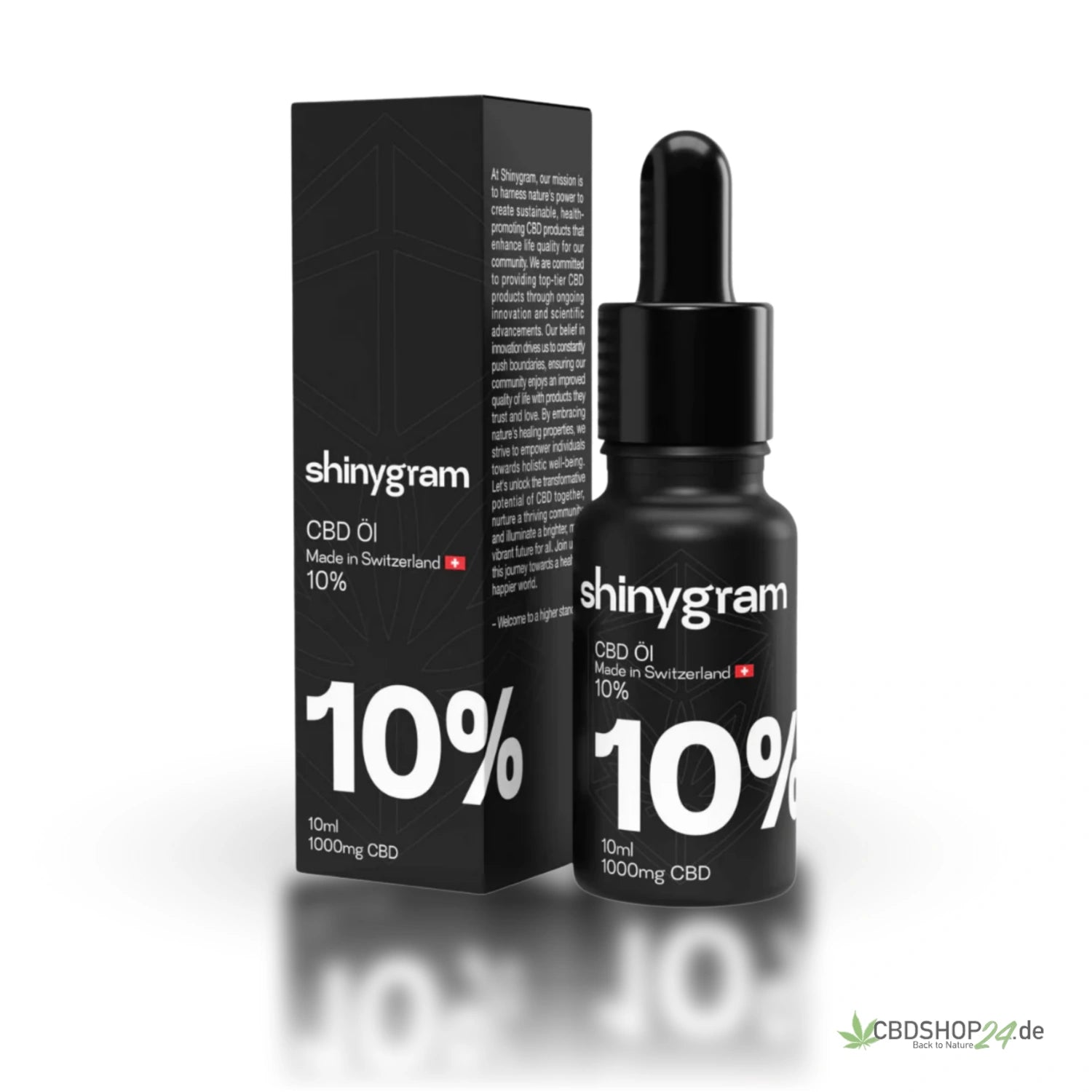
If you want to benefit from the positive properties of the hemp plant without needing a prescription, you can turn to legal CBD products. These contain only minimal amounts of THC (below 0.2%) and don’t have an intoxicating effect. CBD oils, Flowers and capsules are freely available and can help support relaxation or sleep. This makes them a legal way to experience the benefits of the plant.
Experiences with medical cannabis
Many people who use medical cannabis report positive experiences. Especially patients with chronic pain or sleep problems find the treatment helpful. Even though the effects can vary a lot from person to person, many cases show a noticeable improvement in quality of life.
Medical cannabis in practice – what do patients report?
A common reason for using medical cannabis is persistent pain that isn’t sufficiently relieved by conventional medication. Some people report that their pain perception is significantly reduced and that they can sleep better again. Others experience the effects as relaxing or mood-lifting. It’s important that the treatment is always supervised by a doctor so the dose and strain can be optimally tailored to the person.
effects and possible side effects
How strong the effects of medical cannabis is depends on several factors. These include the composition of the cannabinoids, the method of consumption, and individual sensitivity. Commonly described effects include, for example:
- Relief of chronic pain,
- promotion of sleep and improvement of sleep quality,
- reduction of muscle tension or spasms,
- increase in appetite,
- relaxation and balancing of mood.
As with any medication, side effects can also occur. The most commonly mentioned include:
- tiredness and dizziness,
- dry mouth,
- short-term difficulty concentrating,
- occasional increased heart rate or slight light-headedness.
These accompanying effects usually disappear once the body gets used to the active substance. Doctors therefore recommend starting with a low dose and increasing it slowly until the desired effects is reached.
Dosage and medical supervision
The right dosage is crucial for the success of a therapy. It’s set individually and can vary depending on the condition, body weight, and tolerance. Close cooperation with the treating doctor helps to find the right strain and dose. Regular check-ups are useful to monitor effects and possible side effects and to adjust the treatment if needed.
Medical cannabis and driving: what’s allowed?
Anyone who uses medical cannabis often wonders whether driving is allowed. Since cannabis generally falls under the Narcotics Act, special rules apply for patients with a prescription. The key point is that the therapy has been prescribed by a doctor and that driving ability is not impaired.
Legal regulations for cannabis patients
Medical cannabis may only be taken if there is a valid prescription. In that case, its use is considered legal. Anyone who regularly uses cannabis on medical orders can in principle take part in road traffic. The condition, however, is that there are no signs of impairment and that road safety is guaranteed at all times.
THC limits and medical exemption
For road traffic in Germany, a limit of 1.0 nanogram of THC per milliliter of blood serum applies. This value plays a decisive role for recreational use. For cannabis patients with a medical prescription, an exception can apply if the use is therapeutically necessary. Still, they must always be able to drive safely and must not show any acute impairment.
Tips for your driver’s license when using cannabis therapy
Anyone who regularly takes medical cannabis should keep the following points in mind:
- Always document use in consultation with the treating doctor,
- carry the current medication plan, especially during traffic stops,
- don’t consume additional substances or alcohol,
- don’t drive a vehicle at first when trying new strains or changing the dosage,
- pay attention to possible side effects like tiredness or slower reactions.
If doctors confirm that there’s no impairment of driving ability, driving is generally allowed. Still, patients should always be careful and listen to their own body.
Medical cannabis: strains and effects
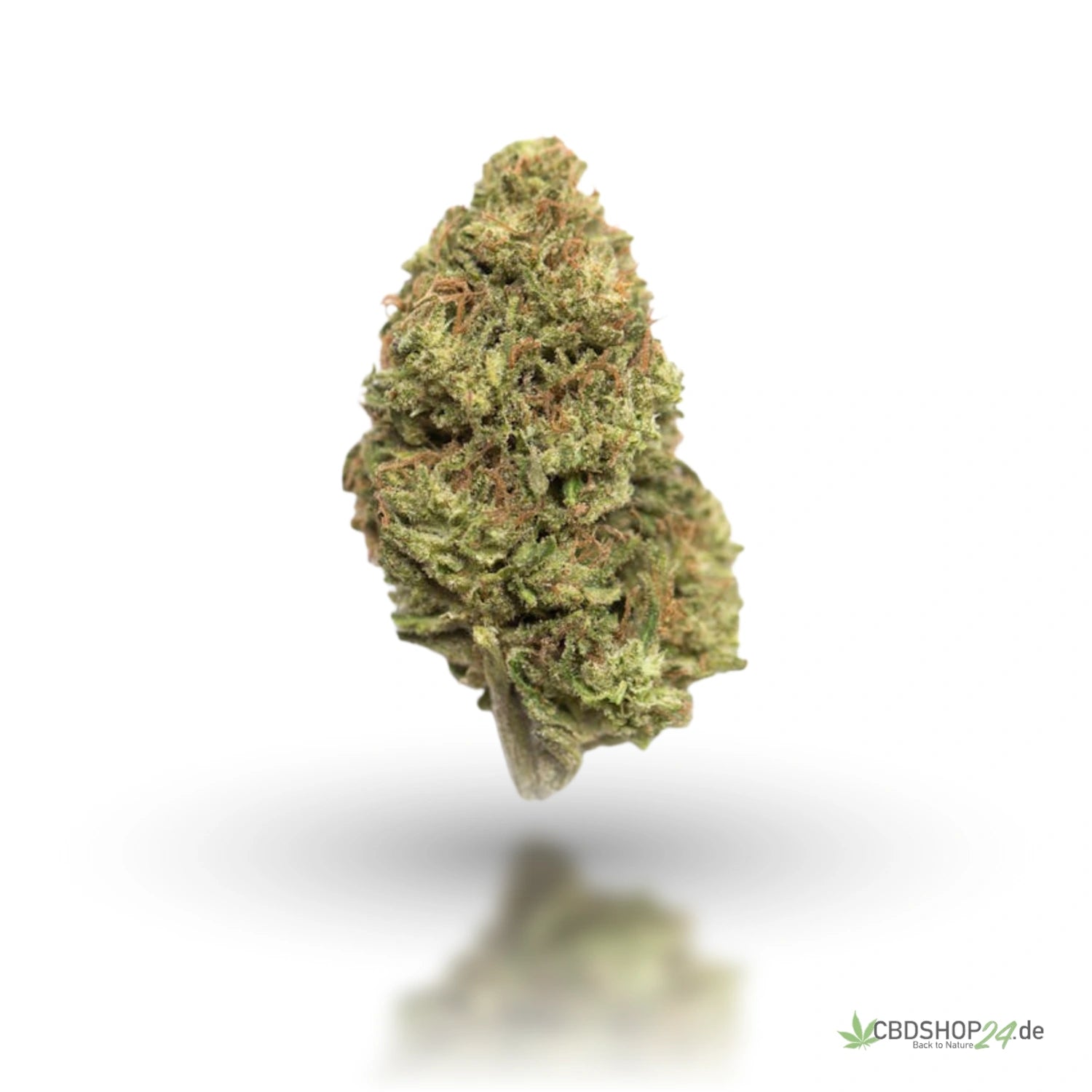
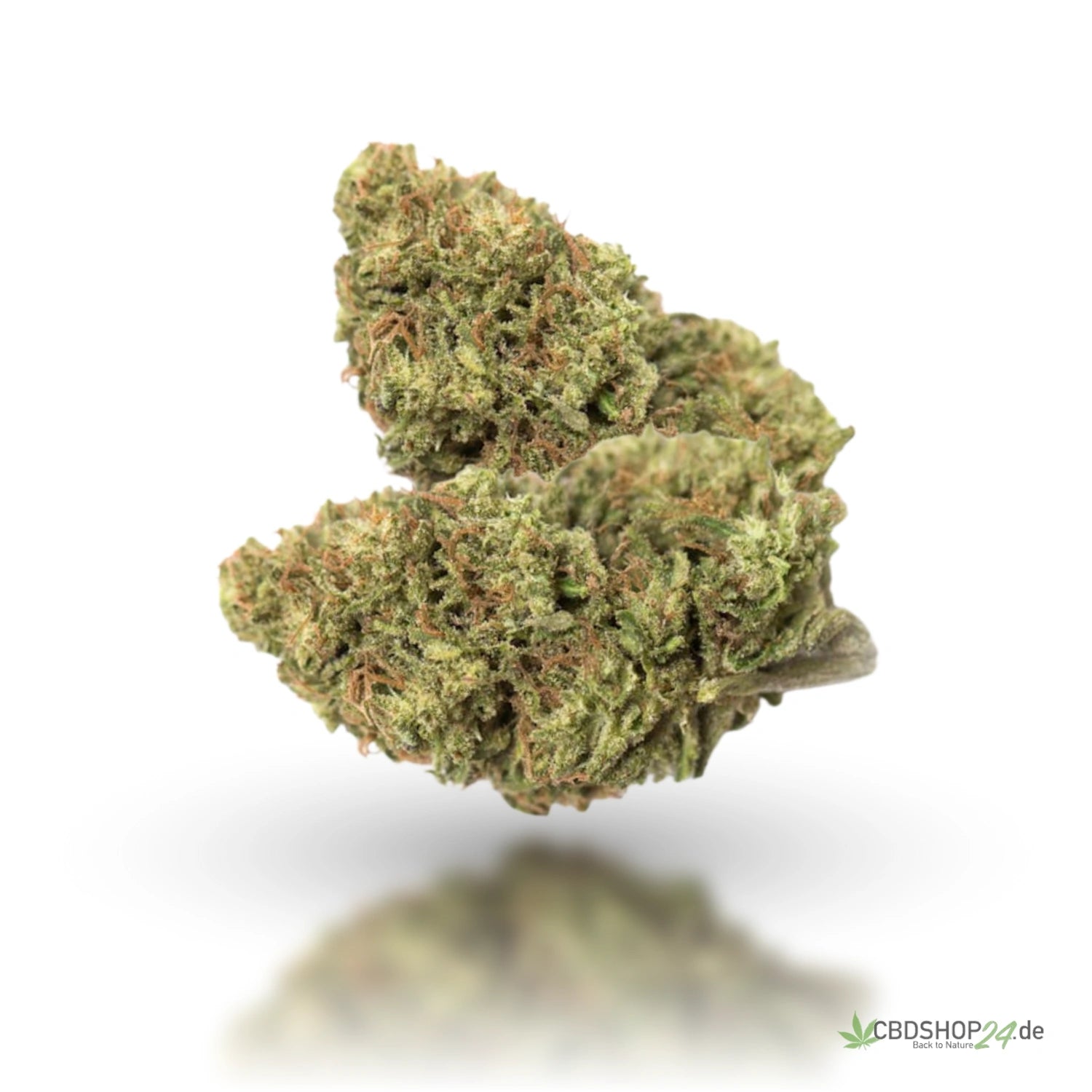
Medical cannabis is not all the same. There are many different strains that differ in their composition, their THC and CBD content, and therefore also in their effects. Depending on the condition, a strain can be calming, stimulating, or pain-relieving. Doctors choose the right strain individually based on symptoms and the desired effects.
Popular medical cannabis strains
The best-known strains come from specially bred plants with precisely controlled active ingredient content. The most commonly used medical strains include:
- Bedrocan – has a very high THC content and is mainly used for chronic pain or loss of appetite.
- Pedanios – offers a balanced ratio of THC to CBD and has a relaxing effect without being overly intoxicating.
- Tilray – is available in different strengths and can help with nausea, sleep disorders, or mood swings.
- Avidekel – contains hardly any THC but a lot of CBD, and is suitable for inflammation or muscle tension.
- High CBD strains – are almost free of THC and are usually prescribed for anxiety, stress, or inner restlessness.
Conclusion: medical cannabis – legally regulated, but still evolving
Medical cannabis has become an important addition to modern therapy in recent years. More and more patients benefit from the effects of cannabinoids when conventional medications aren’t enough. However, access remains strictly regulated, and treatment should always be carried out under medical supervision.
Anyone who wants to experience the positive properties of the hemp plant without needing a prescription can turn to CBD products. They’re legal, contain no intoxicating THC, and can offer gentle support. How the legal framework for cannabis in Germany will continue to develop remains to be seen. What’s already clear is that cannabis in medicine is becoming increasingly important.
FAQs
Does CBD cause addiction or dependency?
No, CBD has no addiction potential. Unlike THC, CBD doesn’t activate the reward centers in the brain and doesn’t lead to physical dependence. The World Health Organization (WHO) classifies CBD as safe and non-addictive. People can stop taking it without withdrawal symptoms.
Can CBD cause a positive drug test?
Pure CBD itself is not detected in standard drug tests, since these are designed to detect THC. However, full-spectrum CBD products can contain traces of THC (up to 0.2% in the EU), which could theoretically lead to a positive test if you take high doses regularly. CBD isolate products are safer in this regard.
How long does CBD remain detectable in the body?
CBD is detectable for different lengths of time depending on dosage, frequency of use, and individual factors. In the blood, CBD can be detected for about 2–5 days, and in urine possibly for up to a week with regular use. With occasional use, CBD is usually completely broken down within 1–3 days.
Is CBD safe for pregnant and breastfeeding women?
The safety of CBD during pregnancy and breastfeeding hasn’t been researched well enough. Experts advise against using it because of possible effects on the child’s development. The risk–benefit balance can’t be reliably assessed during this sensitive phase, so CBD should be avoided.
Can you take too much CBD?
An “overdose” of CBD in the classic sense is very unlikely, since there is no known lethal dose level. However, at very high doses (over 600 mg daily), side effects like extreme tiredness, elevated liver values, or hormonal imbalances can occur more frequently. The dosage should be increased gradually and reduced if you don’t tolerate it well.