


Is the sale of CBD products legal?
Cannabis has gotten a bad reputation because of the illegal use of the tetrahydrocannabinol (THC) it contains as an intoxicant, but does that also apply to the entire hemp plant and the cannabidiol (CBD) it contains? You can find everything about the legality of CBD products and what you need to keep in mind when buying in this blog post.
Sale of cannabis: One plant, many ingredients
The hemp plant has become especially famous and notorious for its ingredient THC. This substance is banned and may be neither sold nor bought. In contrast, the hemp plant itself is a real all-rounder – the plant contains over 100 known cannabinoids, with the best-known definitely being tetrahydrocannabinol and cannabidiol. When all the different ingredients interact, this is called the entourage effect, which is especially relevant with full-spectrum oils.
Individual cannabinoids can also be used for food and creams, and industrial hemp is even great for synthetic fibers. So the plant has more to offer than its reputation suggests. Lately, the cannabinoid CBD has increasingly moved into the spotlight and into the focus of research. CBD has no psychoactive effects and therefore does not fall under the Narcotics Act. The substance is of particular interest for industry, which uses the hemp plant to produce synthetic fibers. Due to claims that the substance CBD could also be used in health-related contexts, it has attracted the interest of medicine. Prescription use is partly possible. However, CBD has not been approved as an active ingredient.
To be able to fully exploit its medical and industrial potential, the European Commission described some exceptions in its latest regulation, under which the consumption and sale of cannabis plants is legal. We’ll show you these exceptions in the next section.
Sale of CBD: Legal under certain conditions
The Narcotics Act stipulates that cannabis is classified as an intoxicant and that its sale and purchase are therefore illegal. However, this regulation provides for some exceptions that legalize the sale and purchase of CBD products under the following criteria:
- the hemp products must come from certified EU cultivation areas
- the THC content must be below 0.2%
- distribution may serve exclusively commercial or scientific purposes
- these purposes must not allow any misuse as an intoxicant
From the perspective of the Federal Office of Consumer Protection and Food Safety (BVL), the sale of products containing CBD is only permissible if an application has been submitted for the approval of a medicinal product or a novel food.
The regulation makes it possible to sell and buy hemp products that meet all these criteria. Since CBD products naturally have no psychoactive effects, if the specified 0.2 percent THC limit is observed, it can be ruled out that the products will be misused for intoxication. In addition, according to a WHO report, CBD products do not have any significant side effects that could become dangerous. Distribution for commercial purposes is not clearly defined and is therefore open to interpretation.
Sale of CBD: Conclusion
In the end, court rulings will have to decide how the legal situation is interpreted. At the moment, non-intoxicating CBD is only sold legally in processed form. So-called health claims are prohibited because there is not enough evidence to support them. CBD is sold, for example, in:
- creams and cosmetics
- foods like chocolate or tea
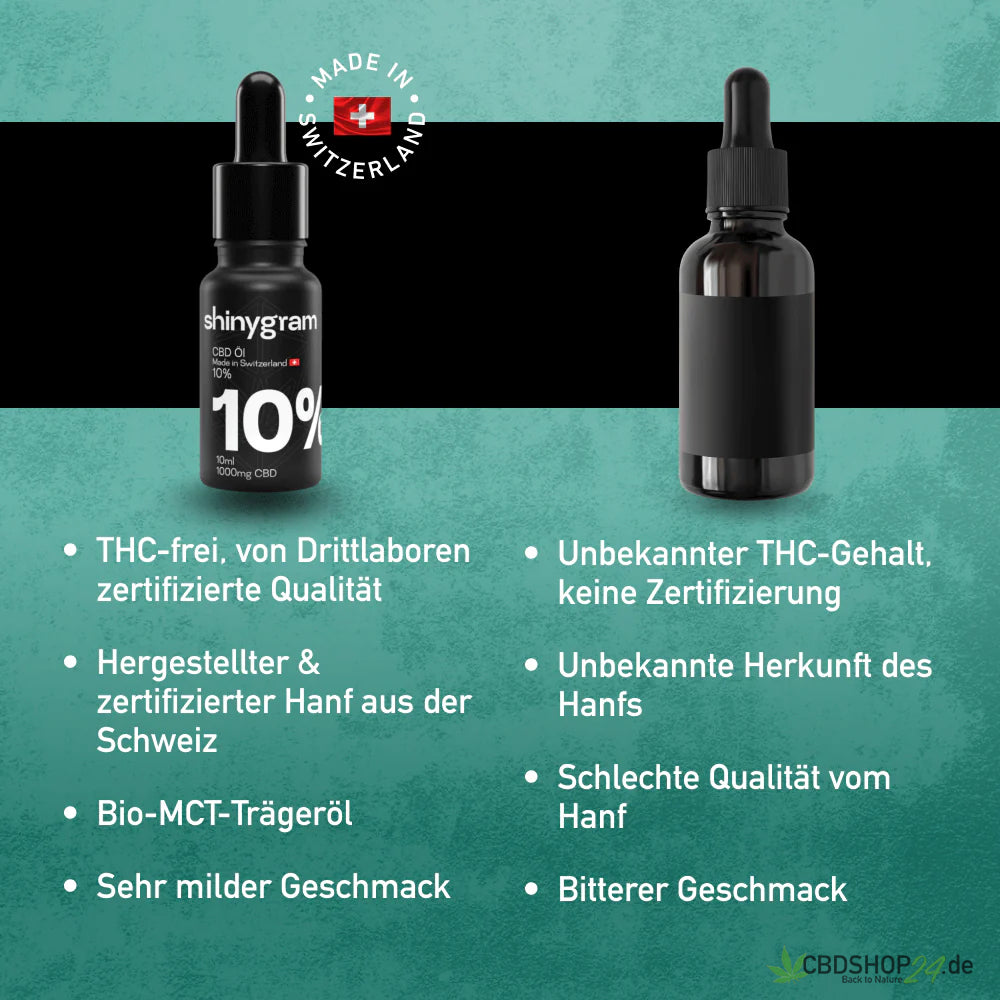
- oils
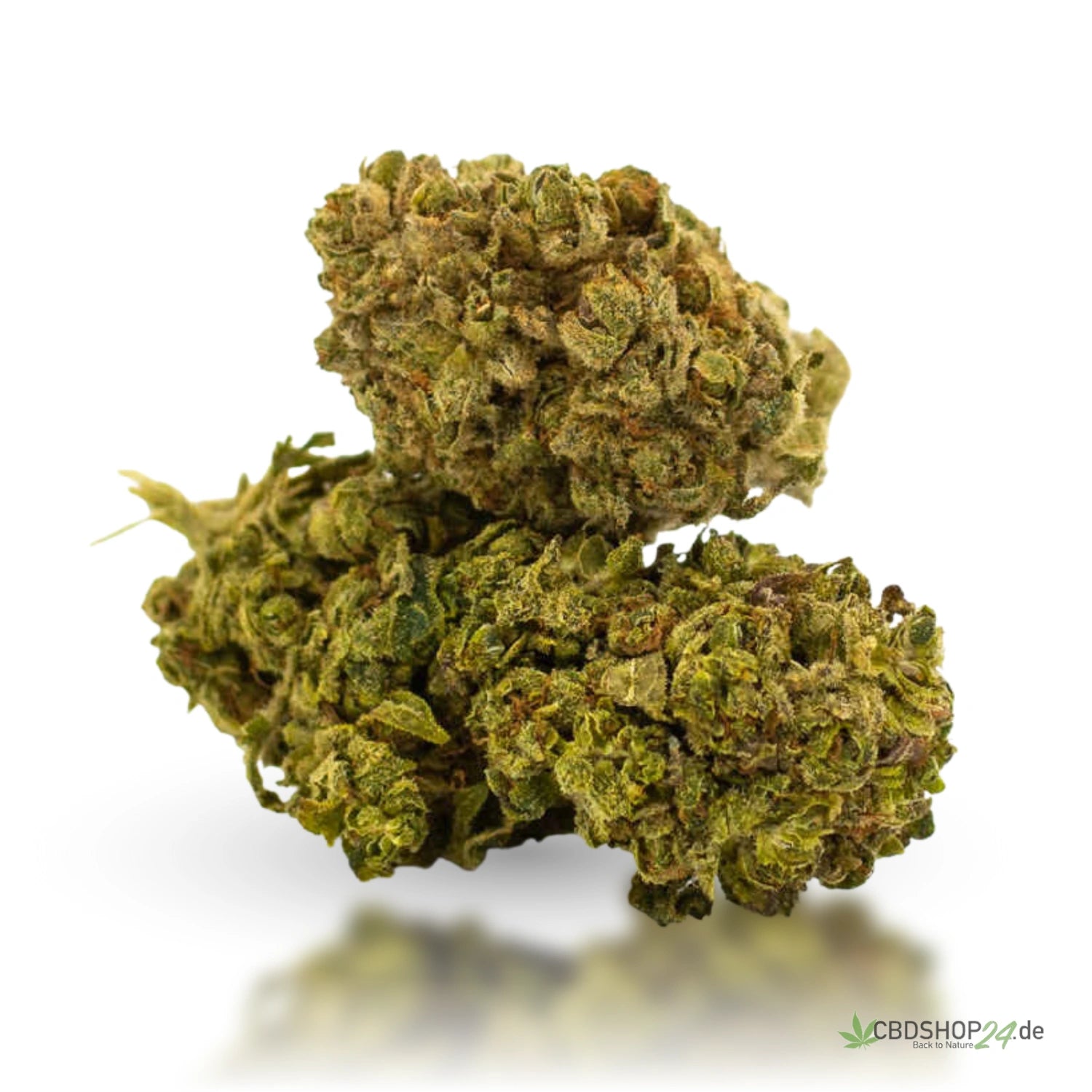
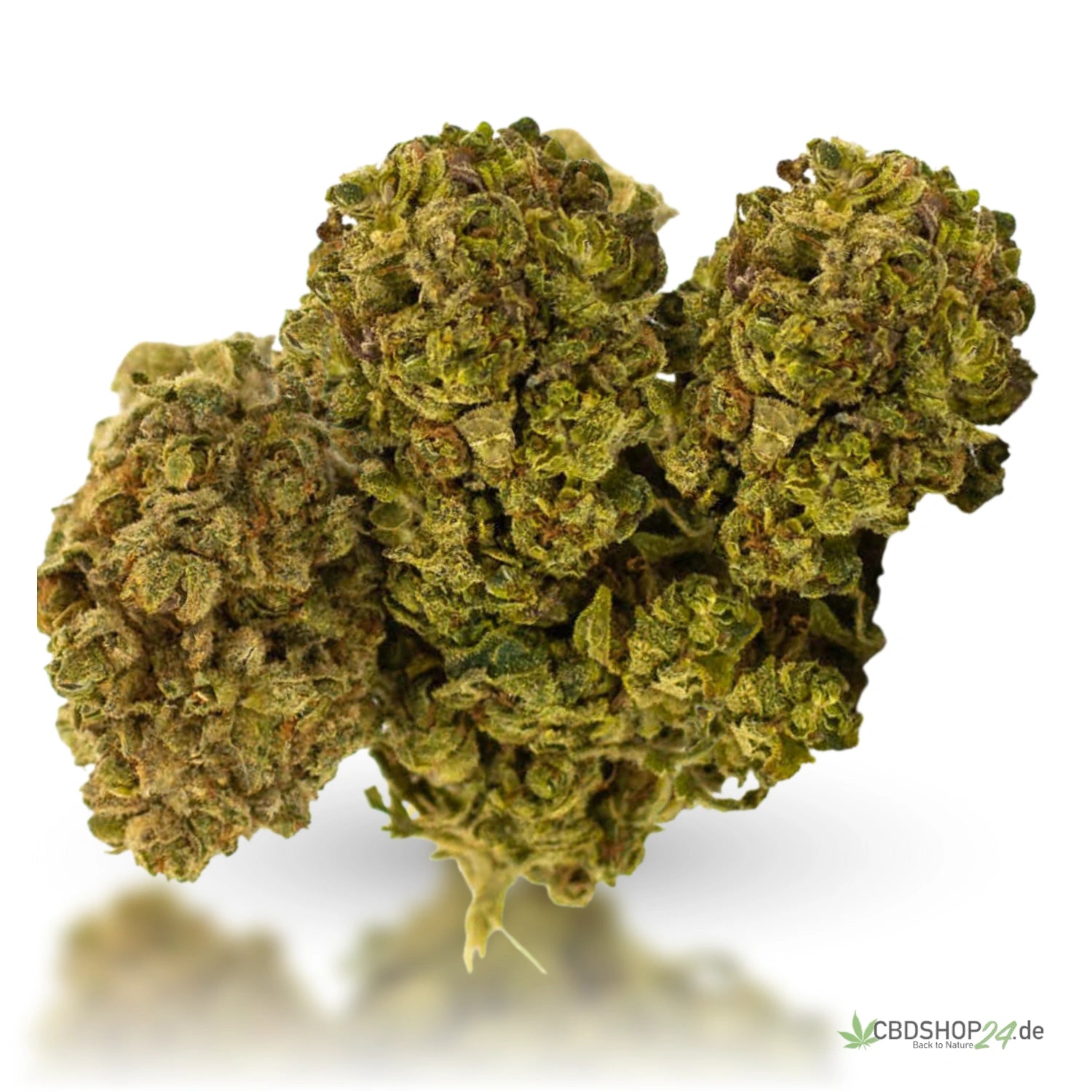
- CBD Flowers, but only in a few exceptional cases
In the meantime, foods containing CBD have been classified as so-called novel foods (in German: neuartige Lebensmittel). This means that the products have to apply for an expensive approval in order to be allowed to be sold and to ensure food safety. The much-discussed legalization of cannabis could change a lot of the existing rules. How this will turn out remains to be seen.
Sources
https://www.bvl.bund.de/DE/Arbeitsbereiche/01_Lebensmittel/04_AntragstellerUnternehmen/13_FAQ/FAQ_Hanf_THC_CBD/FAQ_Cannabidiol_node.html (accessed on 29.11.21)
https://www.br.de/puls/themen/leben/CBD-cannabis-legal-oder-illegal-100.html
https://alphavital24.de/CBD-ist-der-verkauf-legal/ (accessed on 29.11.21)