


Legal regulations for CBD products in Germany
CBD products are currently experiencing a real boom – whether in chocolate and tea or as aromatic flowers and oil, demand has shot up rapidly in recent years. But what does the legal situation actually look like and what legal regulations are there? In this blog post, you’ll find everything about the topic and why not only the Narcotics Act but also the Food Law play an important role.
CBD regulations: What legal guidelines are there?
The dispute over the legality of CBD products has been going on for quite some time now and is becoming more and more confusing. To clear the jungle of paragraphs a bit, we’ve put together the most important facts for you here. The two most important legal regulations that are relevant for CBD products are, on the one hand, the Narcotics Act (BtMG) and, on the other hand, the Food Law. Cannabis would fall under the Narcotics Act because of its potential as an intoxicant . CBD as a naturally occurring component of the hemp plant would at first glance also fall under it. However, the regulation provides for some exceptions under which the cannabidiol contained in hemp does not fall under the Narcotics Act:
- if the product comes from certified EU cultivation areas
- if the THC content is below 0.2%
- if distribution is exclusively for commercial or scientific purposes
- if the purposes do not allow misuse as an intoxicant
If all these exceptions are met, the product no longer falls under the Narcotics Act. It can be assumed, however, that the exemptions in the BtMG were initially intended for the industrial and medical use of the cannabinoid. Nevertheless, this creates a loophole in the legislation that shifts CBD products at least into a gray area . In the “Hanfbar trial” in March 2021, the Federal Court of Justice (BGH) confirmed that a commercial purpose exists when selling to end customers, which is good news for buyers and sellers of CBD.
So it can be said that standard CBD products are not banned by the regulations for narcotics. The Federal Institute for Drugs and Medical Devices (BfArM) also states: “Cannabis seeds are, according to the [...] BtMG, exempt from the narcotics regulations as long as they are not intended for illicit cultivation. Products made exclusively from cannabis seeds are therefore not subject to narcotics regulations.” But what about food law? You’ll find everything about that in the next section.
CBD as a food: The Novel Food Regulation
After the European Court of Justice basically came to the conclusion that it would be pointless to classify the cannabinoid CBD under the Narcotics Act, the way was cleared for a review of the approval of CBD as a “novel food” .
All foods that were not regularly or to any significant extent consumed in Europe before 15 May 1997 must go through an approval process as a novel food. Since neither the EIHA (European Industrial Hemp Association) nor other economic operators have so far been able to prove that this criterion is met, such approval is still required for CBD as well. The Novel Food Catalogue requires approval by the European Commission by including cannabidiol in the so‑called Union list. Without approval, CBD products are considered not suitable for consumption. Despite this, the consumer advice center says: “In principle, CBD can be a food ingredient, as it is not an addictive substance.”
In December 2020 the EU Commission then announced that it would take on this procedure and review the classification of cannabidiol as a food . This could lead to it being classified as a novel food, which would further facilitate its sale . However, it would also still be possible to have it classified as a medicinal product, which would make sales more difficult.
Since 2006, however, it has been clear that under EU Regulation 1924/2006 no health claims may be made for CBD products before their effects is finally clarified . This step definitely makes sense, as it protects against promises of cures that have not yet been conclusively confirmed. This is precisely why it is important to carry out further research to verify the benefits of cannabidiol.
How the overall legal situation will develop and how CBD will ultimately be classified is currently still unforeseeable, which is why it is of great interest to continue closely following developments.
Important: All information provided here is without guarantee – for sound legal advice, you should consult a lawyer.
CBD products: Which are allowed under the CBD regulation?
According to CBD360, processed CBD products with a THC content of under 0.2 percent are legal in Germany. Unprocessed cannabidiol products are (still) not legal for consumers to purchase. The following are considered unprocessed CBD products, among others:
- CBD tea,
The following, among others, count as processed CBD products:
- CBD oil,
- CBD Liquid,
- CBD cosmetics,
- CBD chewing gum,
- CBD fruit gummies,
- and more.
CBDShop24 complies with the CBD regulation
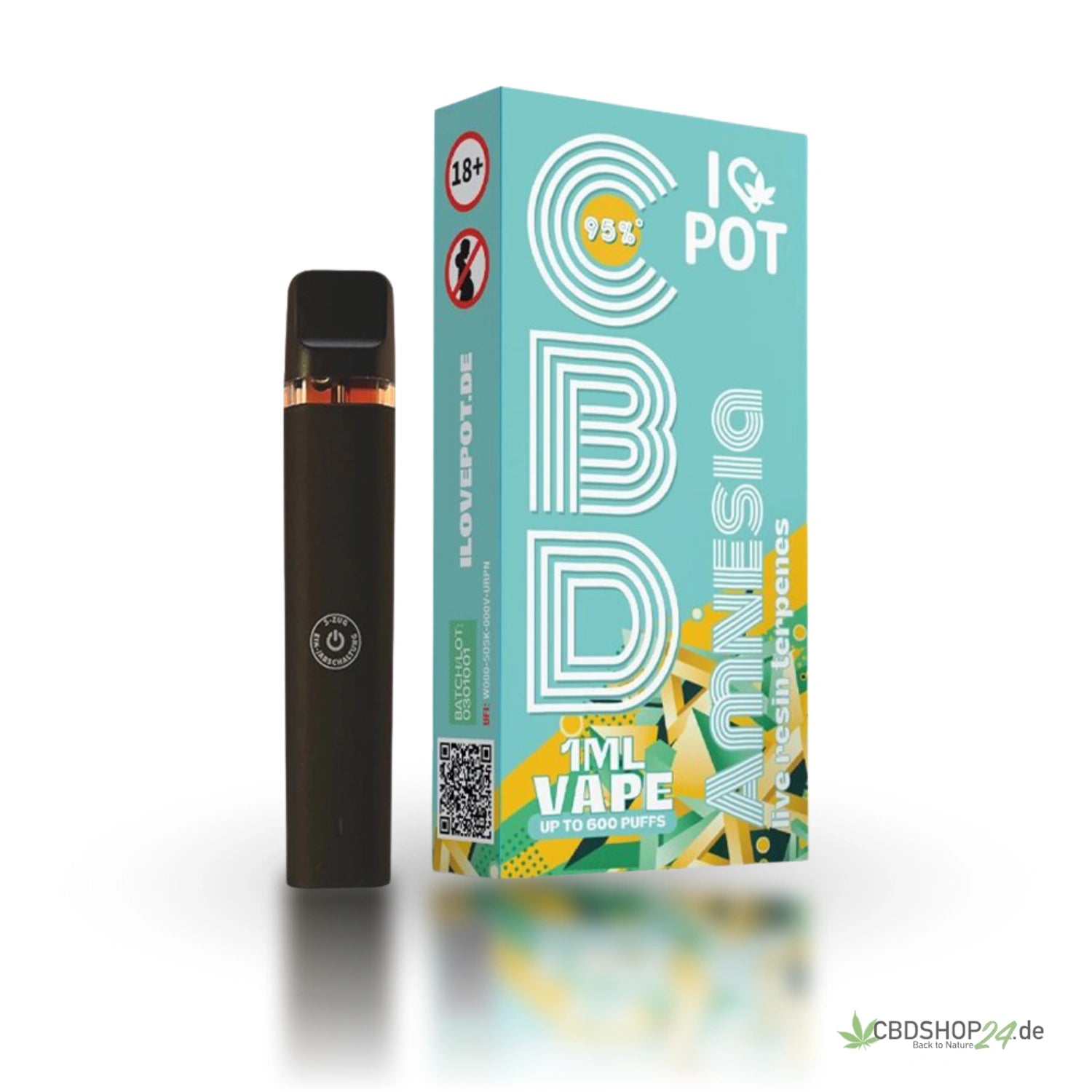
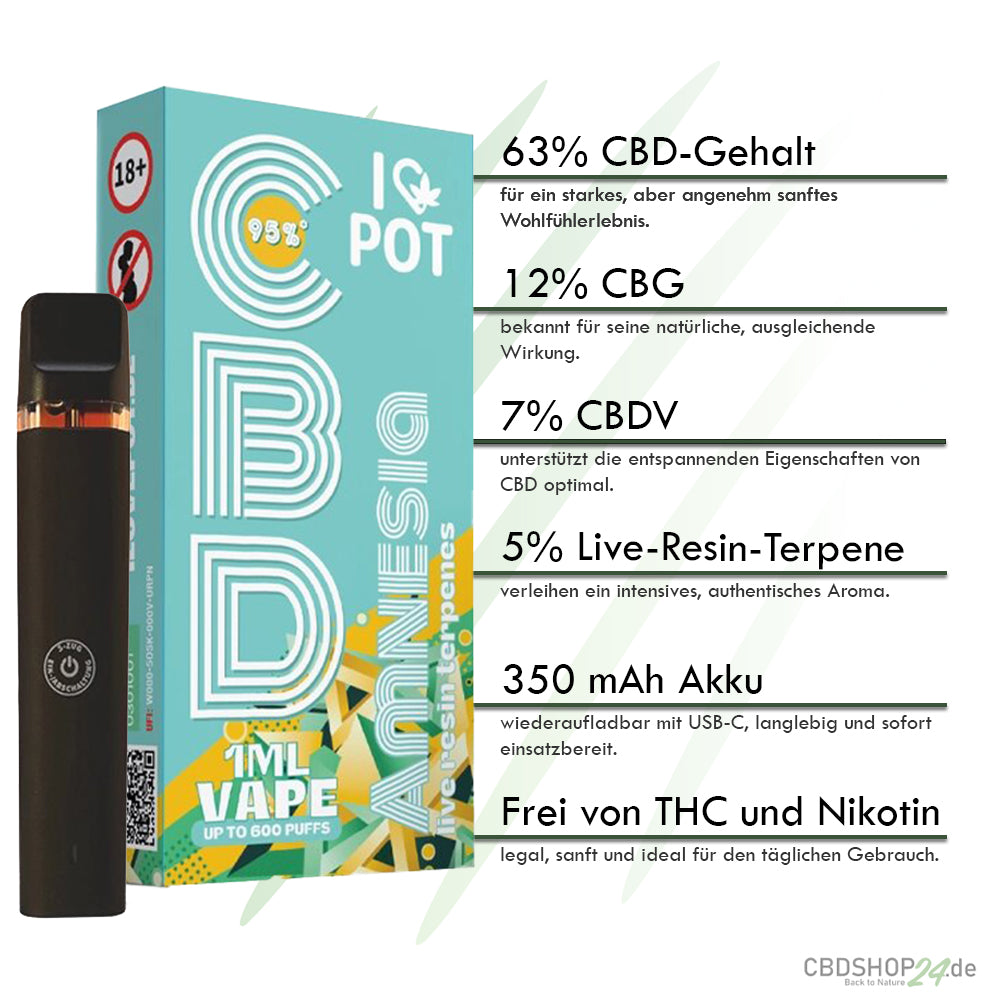
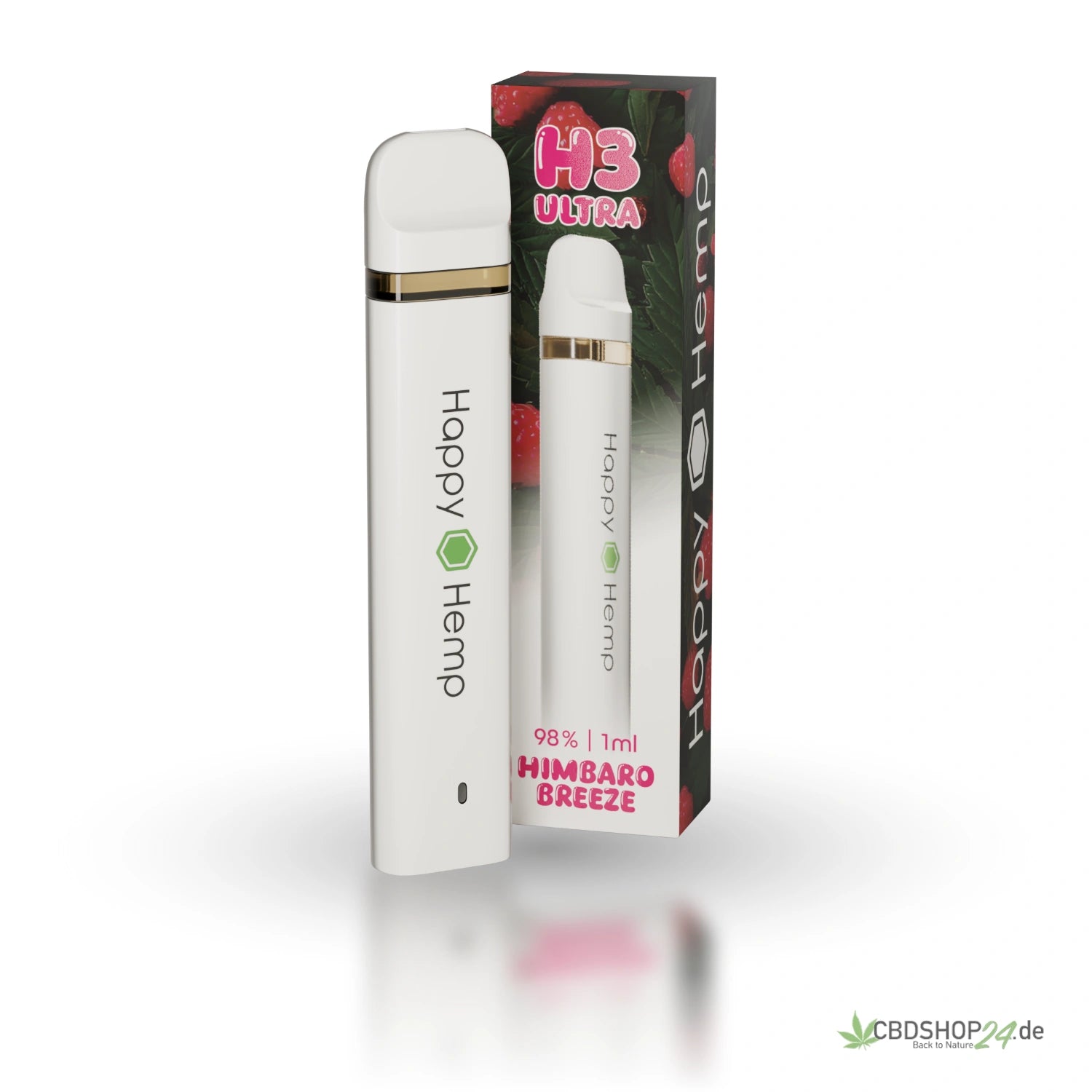
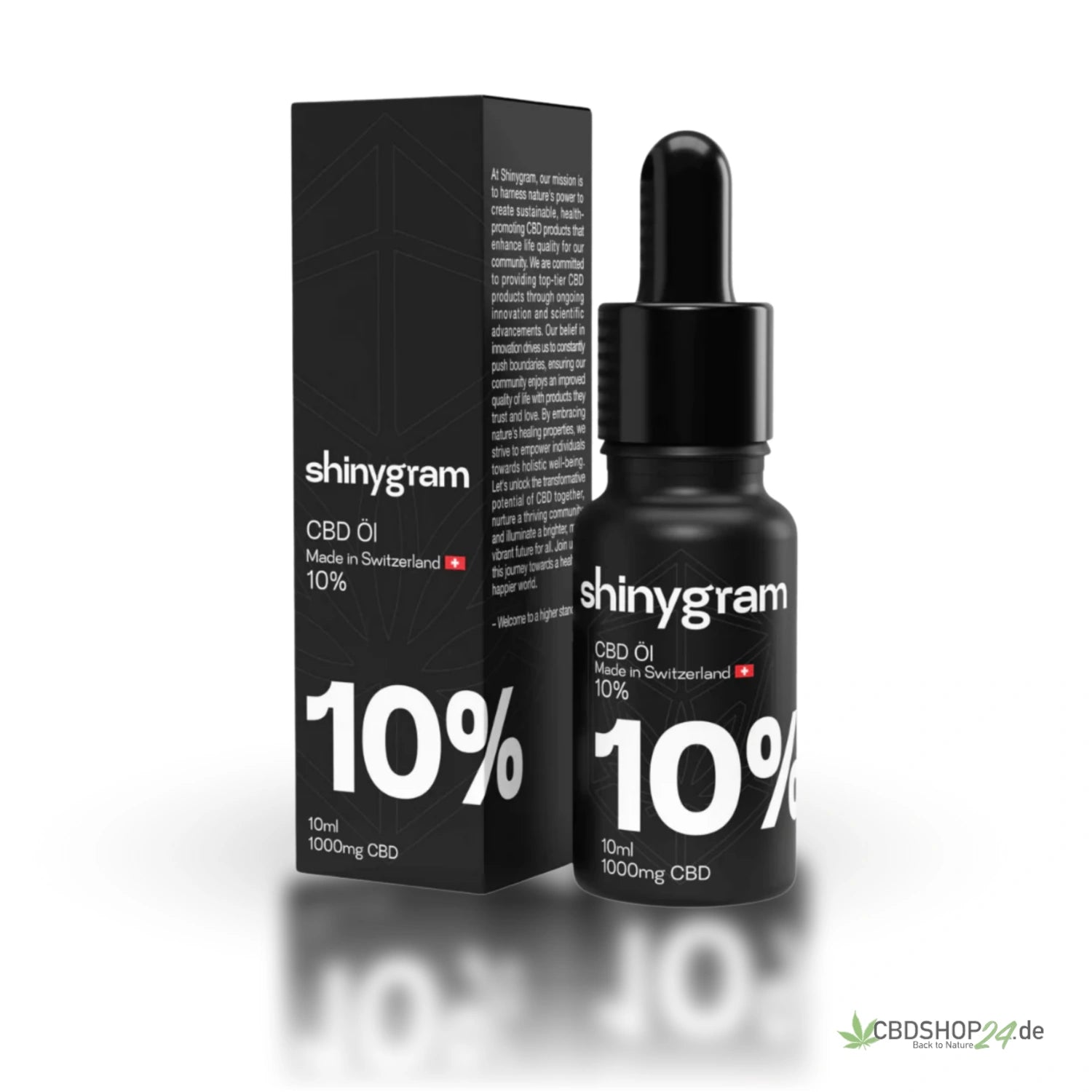
At CBDShop24 you get processed cannabidiol products like CBD oils and CBD isolates as well as hemp cosmetics of high quality at an unbeatable price. CBDShop24 prefers to use regional products and works with EU-certified suppliers . We also make sure that our cannabidiol products are free from harmful substances and try to use only sustainable packaging . You can find more information about CBD in our shop or in other blog posts.
Sources
https://ec.europa.eu/germany/news/20201203-cannabidiol-produkte_de
https://www.die-gruene-oase.com/CBD/legalitaet
https://eur-lex.europa.eu/legal-content/DE/TXT/PDF/?uri=CELEX:32006R1924&from=DE
https://hanfverband.de/nachrichten/news/adsb-2020-CBD-stellvertreterkrieg-um-cannabidiol
https://eur-lex.europa.eu/legal-content/DE/TXT/PDF/?uri=CELEX:32015R2283&from=DE
https://www.bfarm.de/DE/Bundesopiumstelle/_FAQ/Cannabis/faq-liste.html?cms_fid=566334