


Table of contents
The question of how much CBD you should take per day is one of the most common ever. No surprise – cannabidiol works differently for everyone, and the huge product range doesn’t make it easier. There are oils, Flowers, vapes and other CBD products. They all have different concentrations and ways of absorption. There’s no one-size-fits-all recommendation, but with a few basic principles you can quickly figure out what dose works best for you personally.
Why the dosage for CBD is so individual
CBD interacts with the body’s own endocannabinoid system, which is involved in lots of processes – like sleep, stress regulation, pain perception and mood. How strongly you feel an effects depends on your personal biochemistry. Factors like body weight, metabolism, diet, stress level or medication use all play a role. The reason why you take CBD products also affects the right amount. If you’re just looking to relax a bit, you’ll need less than someone who wants to deal with chronic pain or severe sleep issues.
Studies and user feedback suggest that many people feel the first effects at just 10 to 20 mg of CBD per day. Others need 50 mg or more to really notice an effects. In clinical trials, sometimes several hundred milligrams per day are used – but that’s for therapeutic use and not comparable to over-the-counter products. For most users, a moderate dose is more than enough.
- In studies, doses vary depending on the use case from a few milligrams (e.g. 5 mg per day) up to several hundred milligrams (e.g. 300–600 mg or more).
- One study found that many users take on average about 53 mg per day (range approx. 8–390 mg).
- A guide, for example, recommends 20–40 mg per day as a starting point for beginners.
- For vaping forms, for example, the suggestion is: 10 mg/day as a minimal starting point or for occasional users.
- For medical specialist products, the values are much higher: for example, for one medication a starting dose of 5 mg/kg body weight/day was mentioned. (M
How CBD works – and when you notice it
CBD doesn’t have a psychoactive effects like THC. Instead of a “high”, it’s more about balance and feeling centered. Many people report inner calm, better sleep, a clearer head or feeling less on edge. But these effects don’t always show up right away. Especially with oral intake it can take a few days until your body gets used to the compound. The effects also depends a lot on how you consume CBD.
With oils that you put under your tongue, the cannabidiol gets into the bloodstream fairly quickly through the mucous membranes. The effect usually kicks in after 20 to 40 minutes. If you eat gummies or capsules, it takes longer – sometimes up to two hours. In return, the effects lasts longer. When you vape Flowers or vapes, CBD works almost immediately, but stays in your system for a shorter time. These differences are crucial when you want to figure out your personal daily dose.
What does the right dosage depend on?
Besides the form of intake, there are other factors that influence your ideal dose. One important point is your body weight. Taller and heavier people usually need a bit more CBD to achieve the same effect. Your experience level also plays a role: if you’re just starting out, you should always begin with a small amount and work your way up slowly. The reason: the endocannabinoid system responds differently in everyone – and too much CBD can make you tired at first or slightly lower your blood pressure.
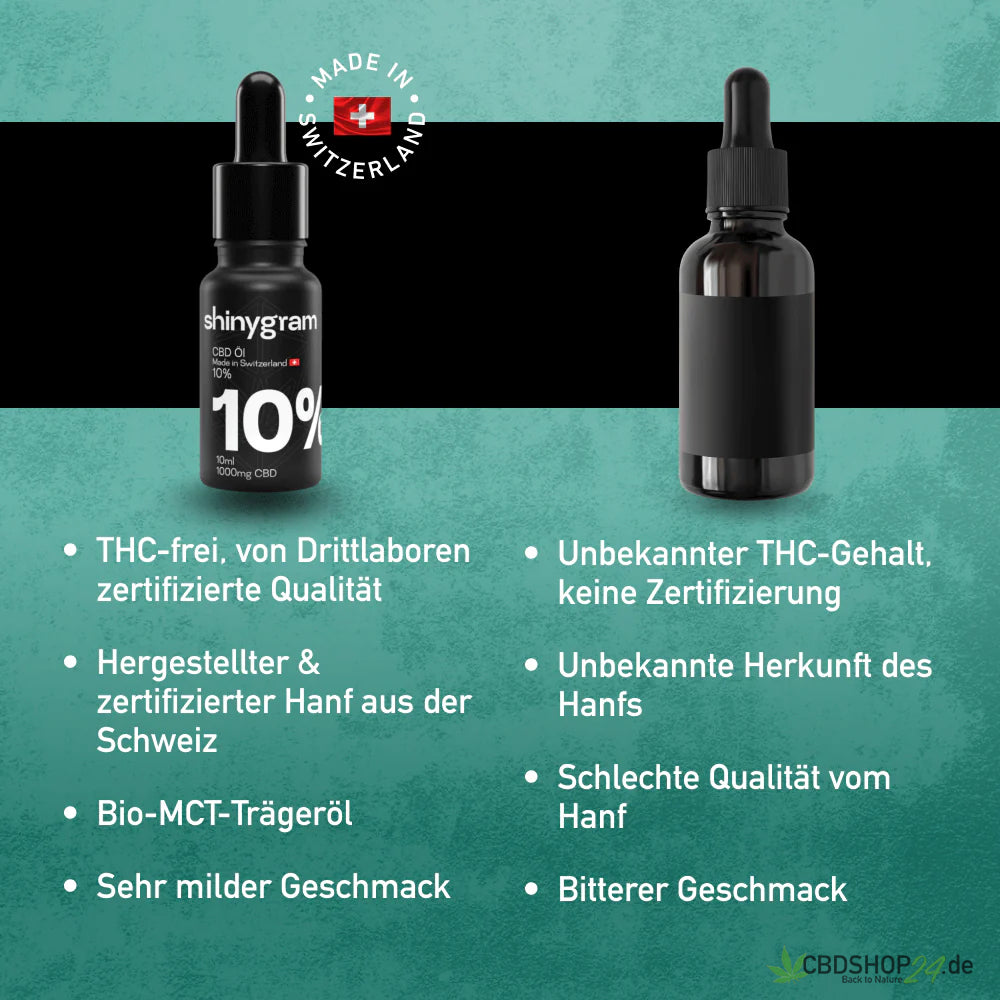
Another factor is product quality. With high-quality oils or extracts, the concentration is stated reliably. Low-quality or incorrectly labeled products, on the other hand, may contain less active compound than what’s listed on the label. That’s why it’s worth checking lab reports or certificates that confirm independent testing. Only then do you really know how much CBD you’re actually taking.
- Body weight and build: A heavier body may need a higher dose than a lighter person.
- Reason for use: Are you aiming for light relaxation, better sleep, or dealing with health issues? The more “demanding” the goal, the more likely you’ll need higher doses.
- Form and bioavailability: Oil under the tongue works differently than gummies or vapes – absorption, speed and effect all vary.
- Experience with CBD: If you’re new to it, start low. If you’ve been using it longer, you know your body better and can dose differently.
- Other medications or health conditions: CBD can interact here – talking to a doctor can make sense.
- Product quality: Purity, origin, lab testing – poorer products might be less effective or contaminated, which affects the effective dose.
How to find your daily dose
A proven approach is the “start low, go slow” principle – so start with a small amount and increase it step by step. For example, start with five to ten milligrams of CBD per day. If you don’t notice any change after a few days, you can slightly increase the dose. Make a note of when you take the oil or other products, how you feel afterwards, and whether any side effects occur. A simple notebook or an app is totally sufficient. After one to two weeks, you usually have a good feeling for what amount works well for you.
An overdose isn’t dangerous, but it can cause drowsiness, dry mouth, or mild circulatory weakness. These symptoms usually disappear as soon as you reduce the dose. Studies and user reports show that CBD is well tolerated even in higher amounts – still, the rule is: less is often more.
Differences between oil, Flowers, gummies and vapes
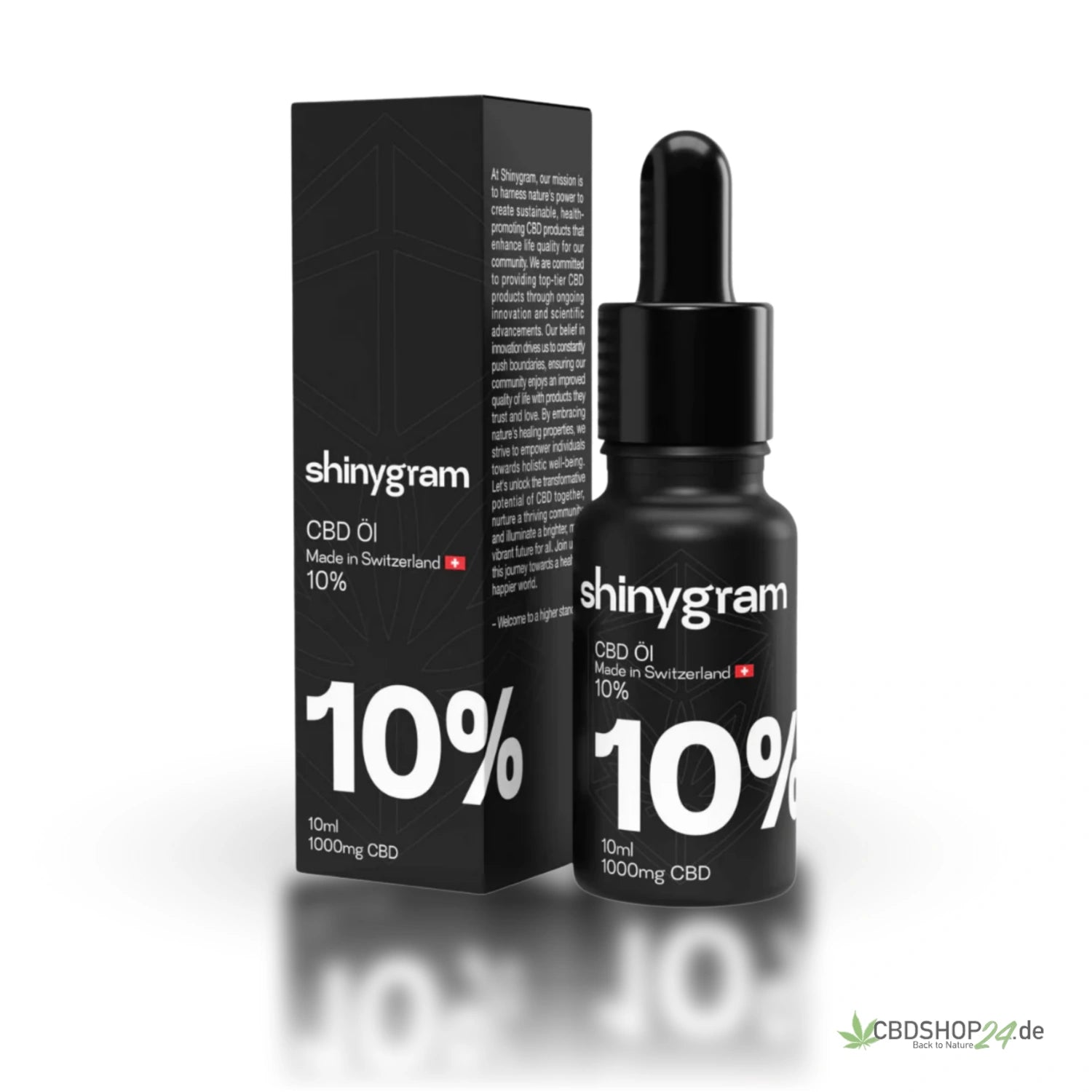
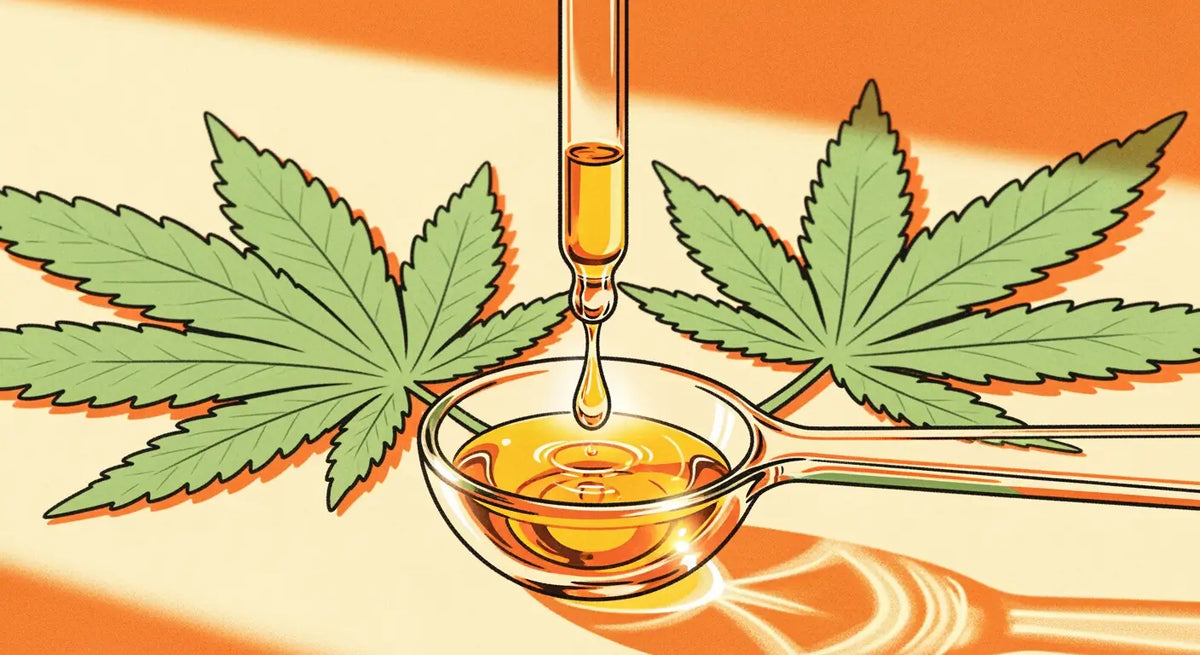
CBD oil is the most popular form because the dosage is easy to control. One drop of 10% oil contains about five milligrams of CBD. So you can decide exactly how many drops you want to take per day. Ideally, you take it under the tongue – that’s where the active ingredient is absorbed directly through the mucous membranes.
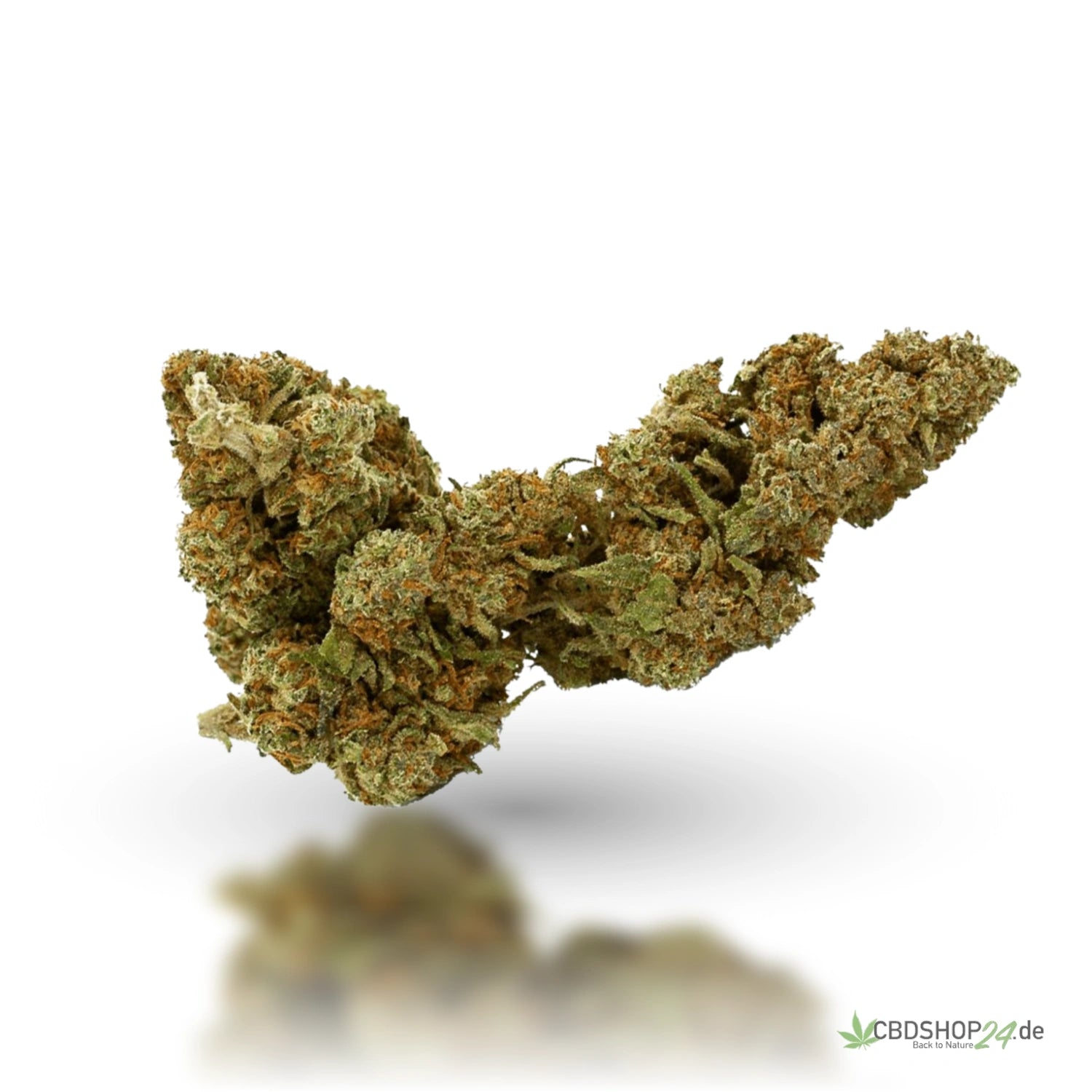
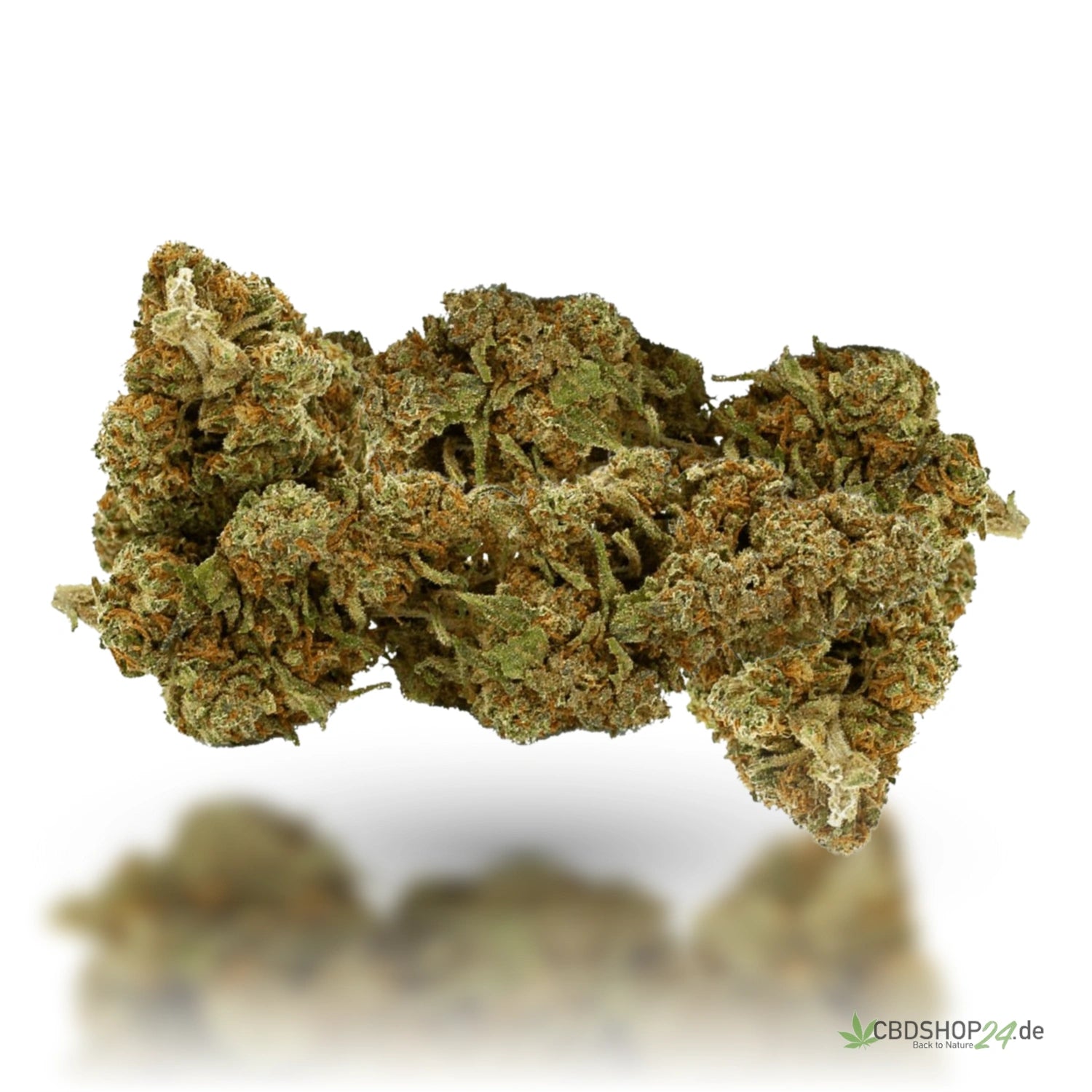
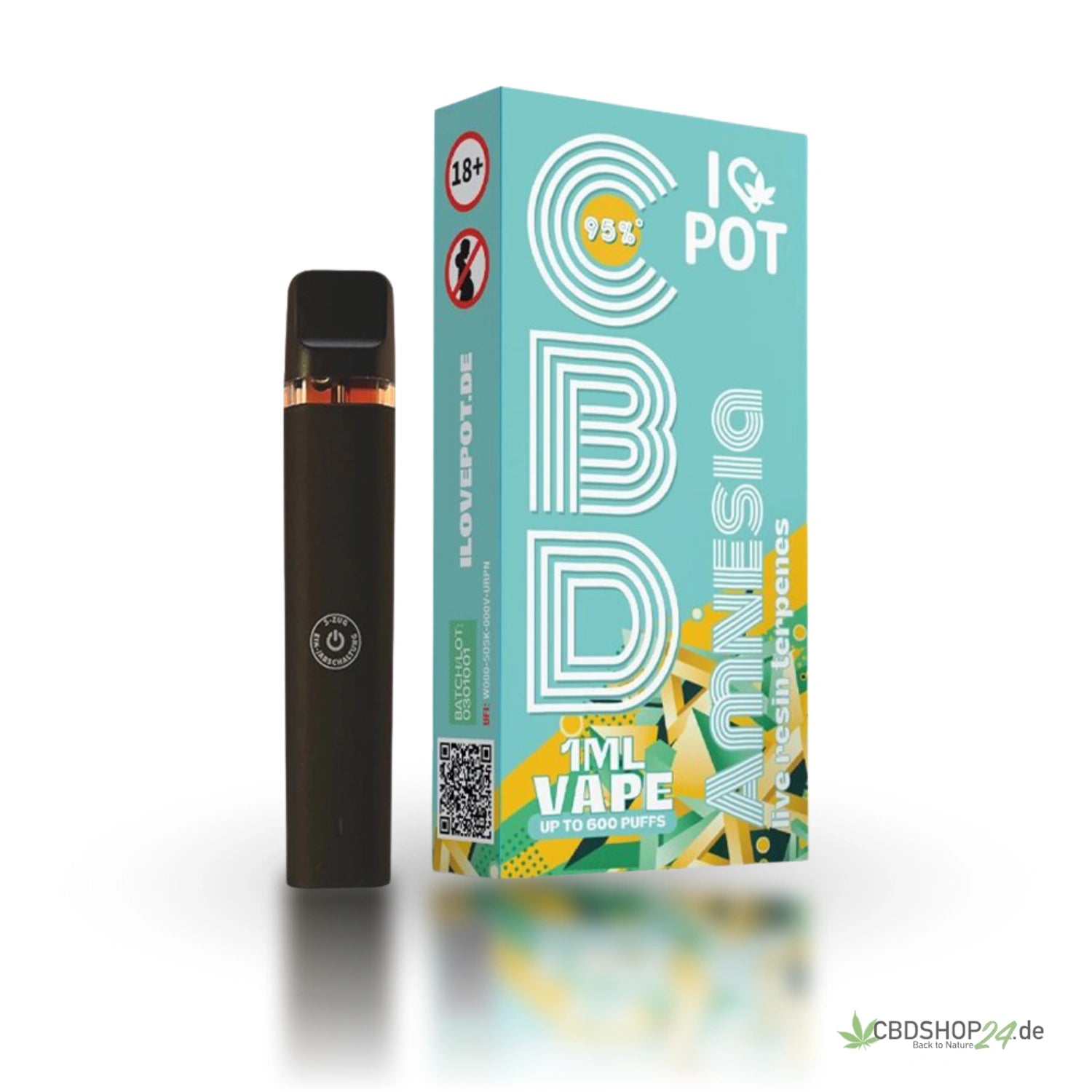
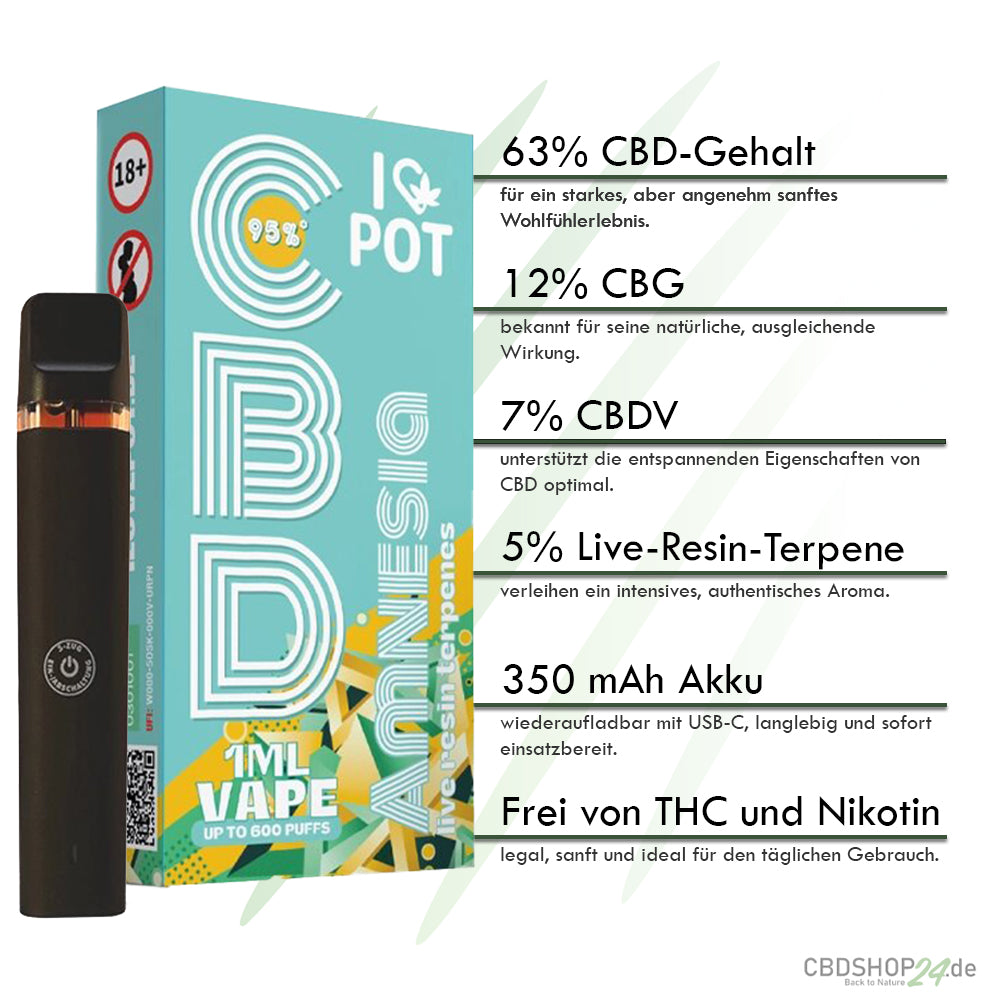
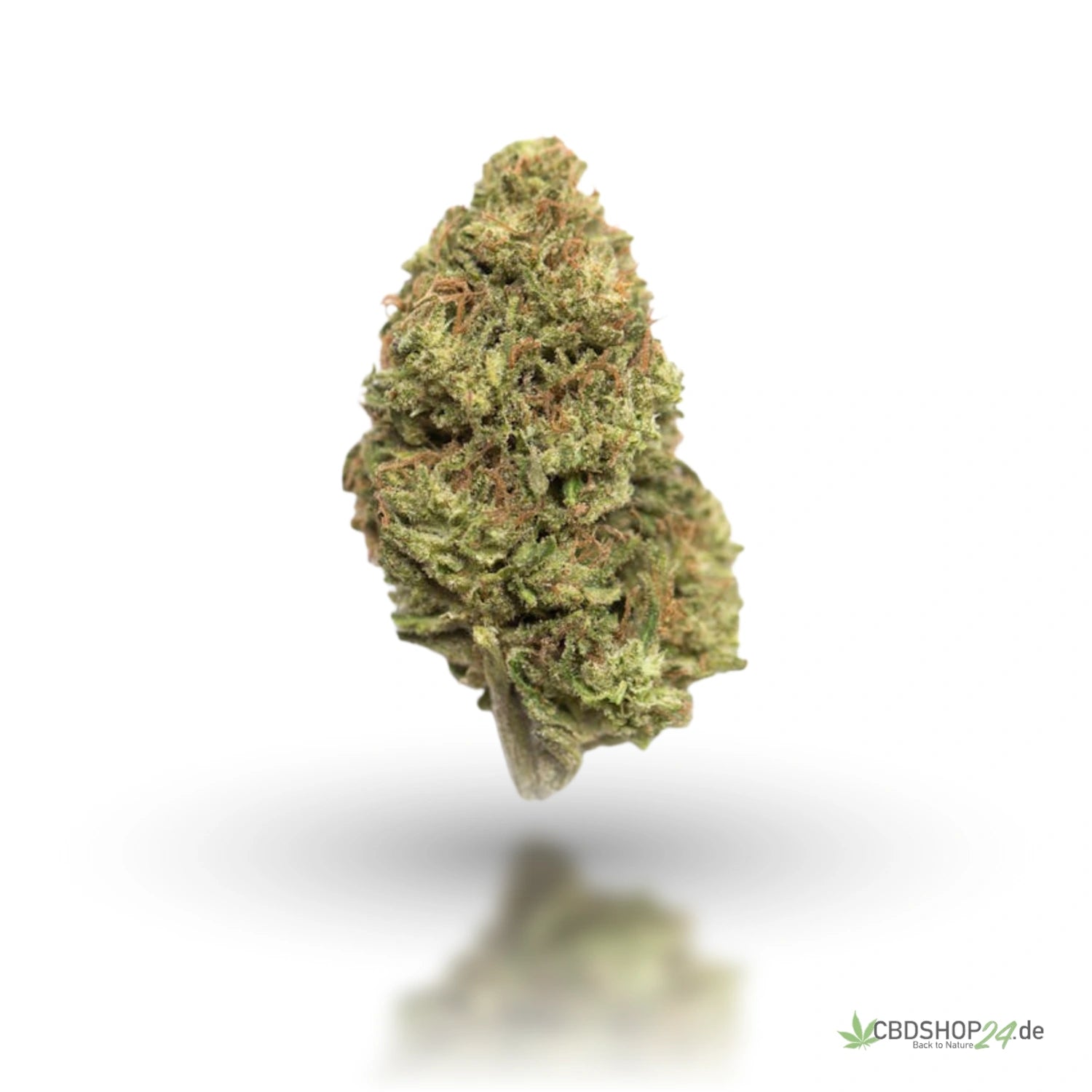
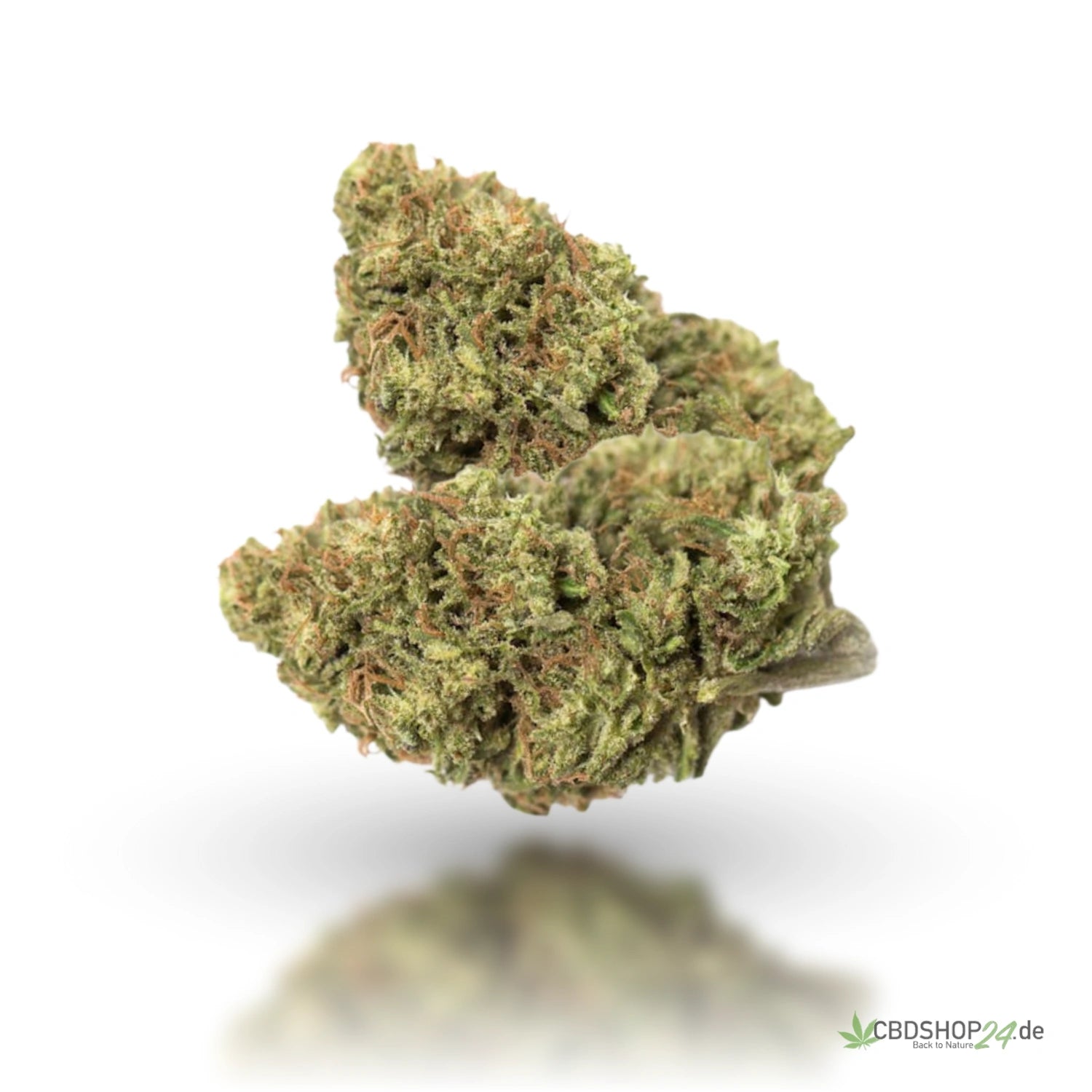
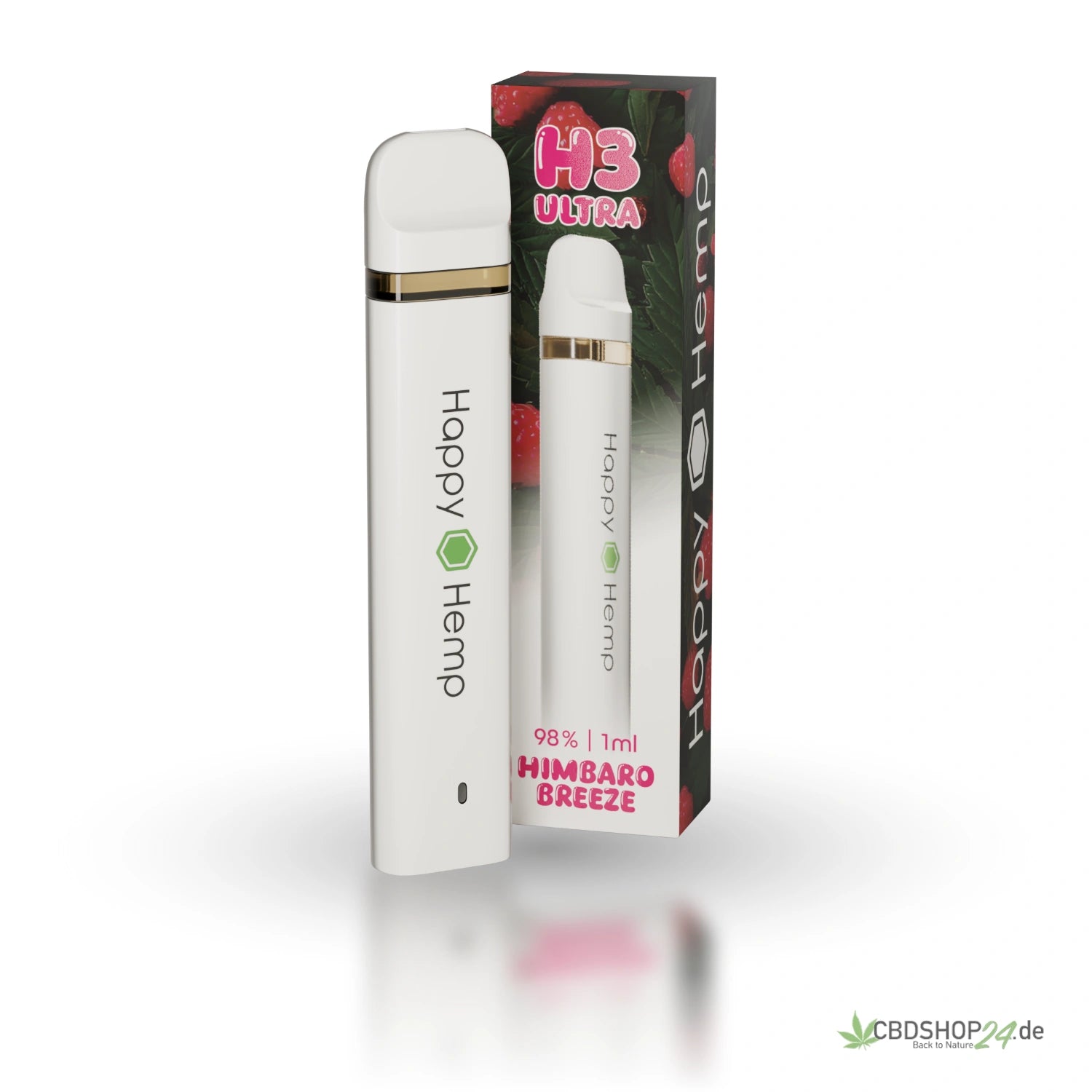
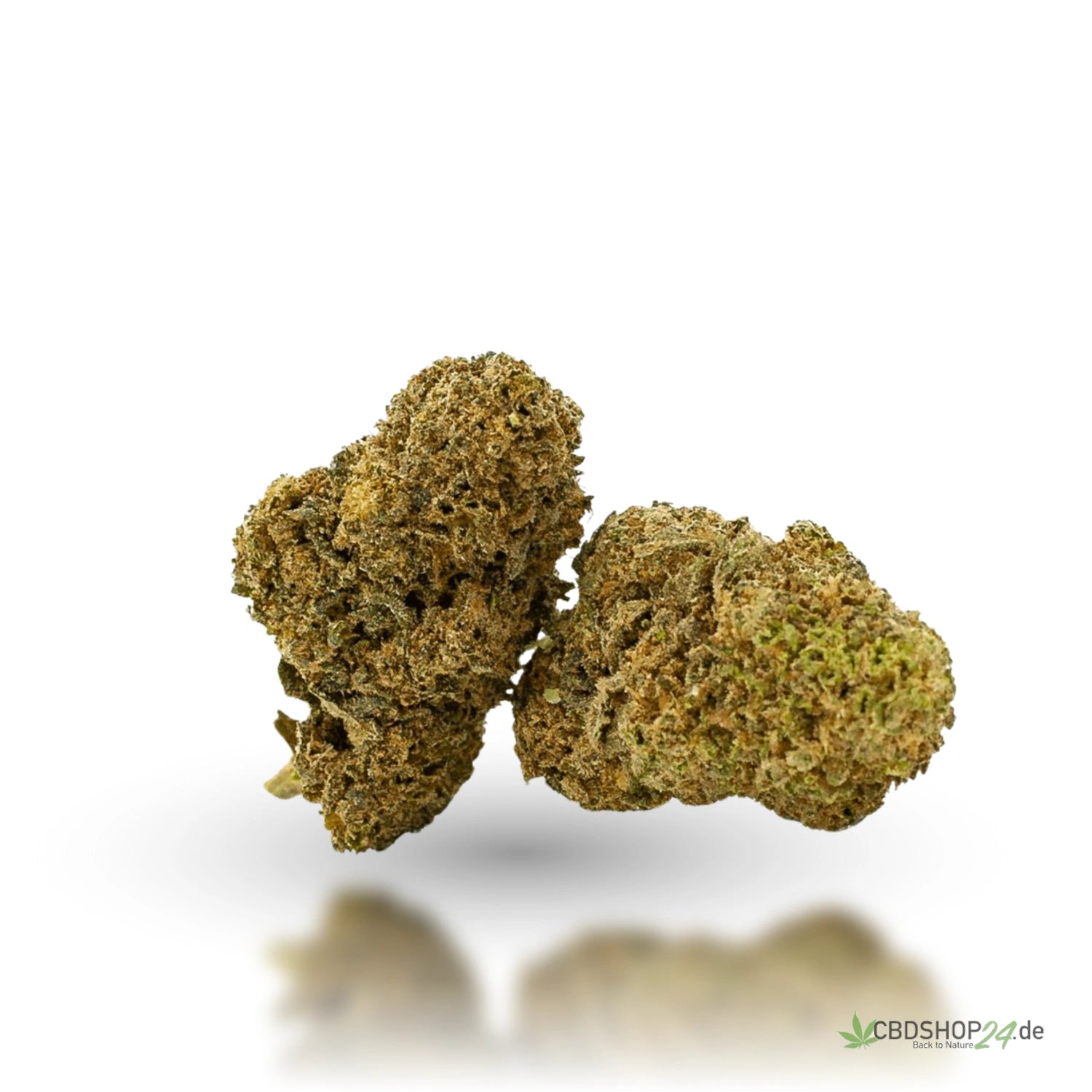
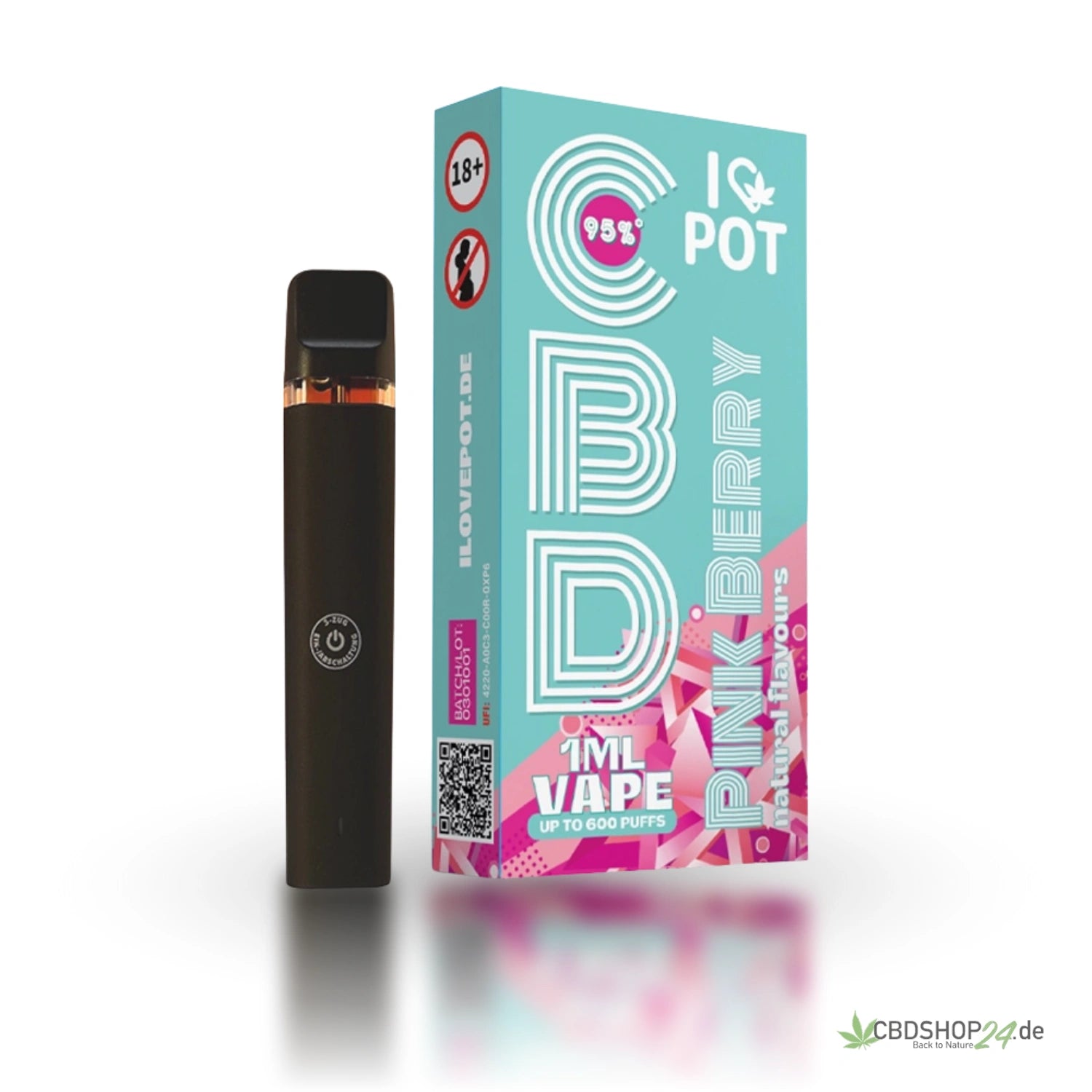
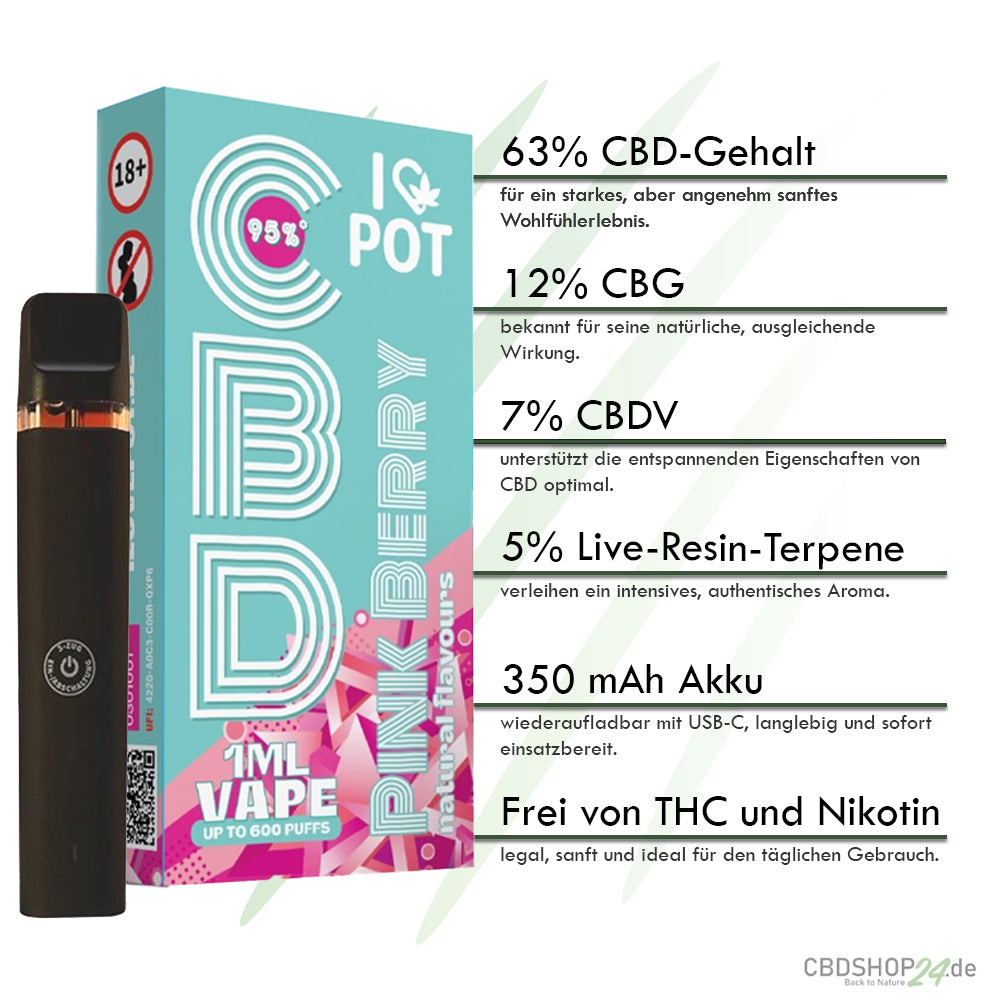
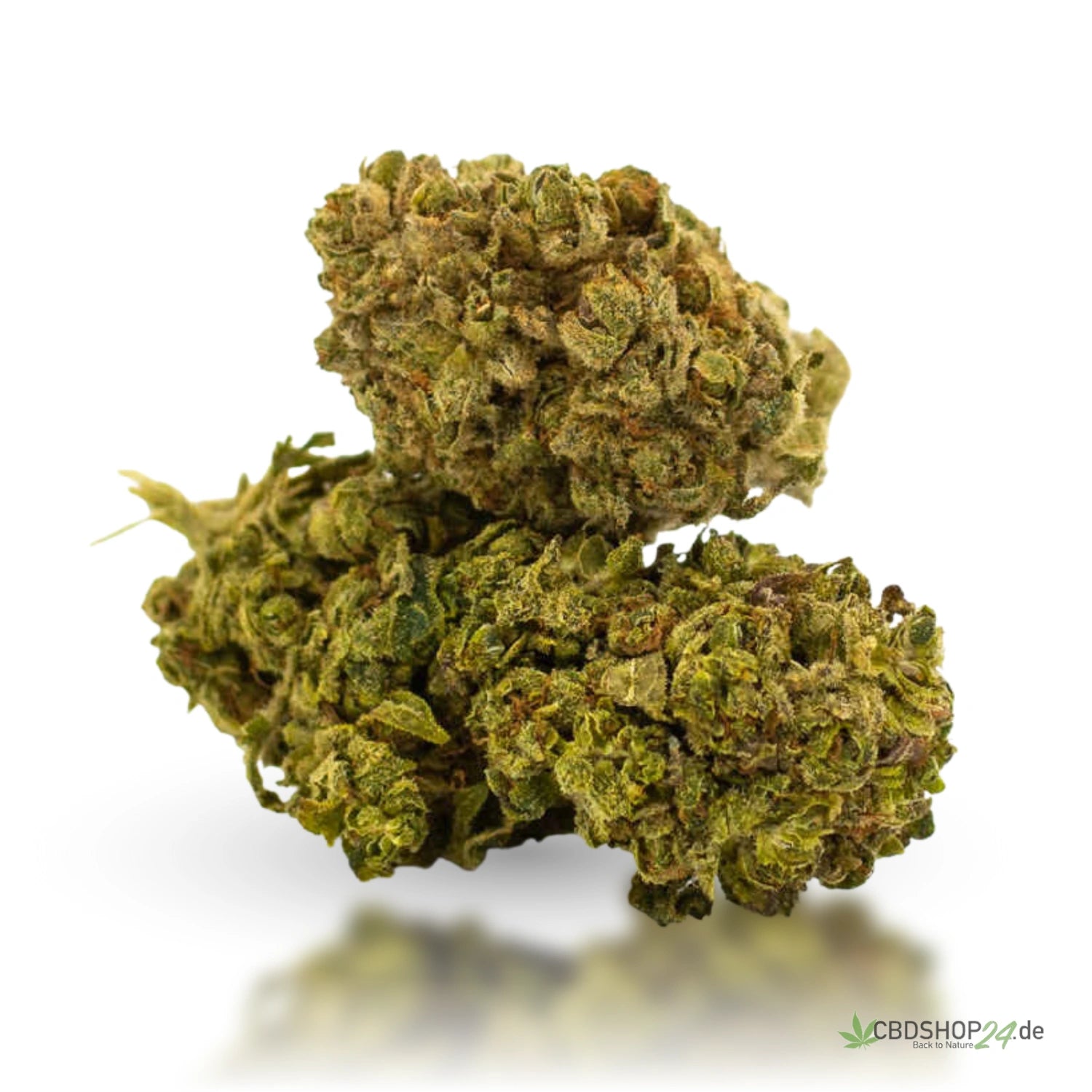
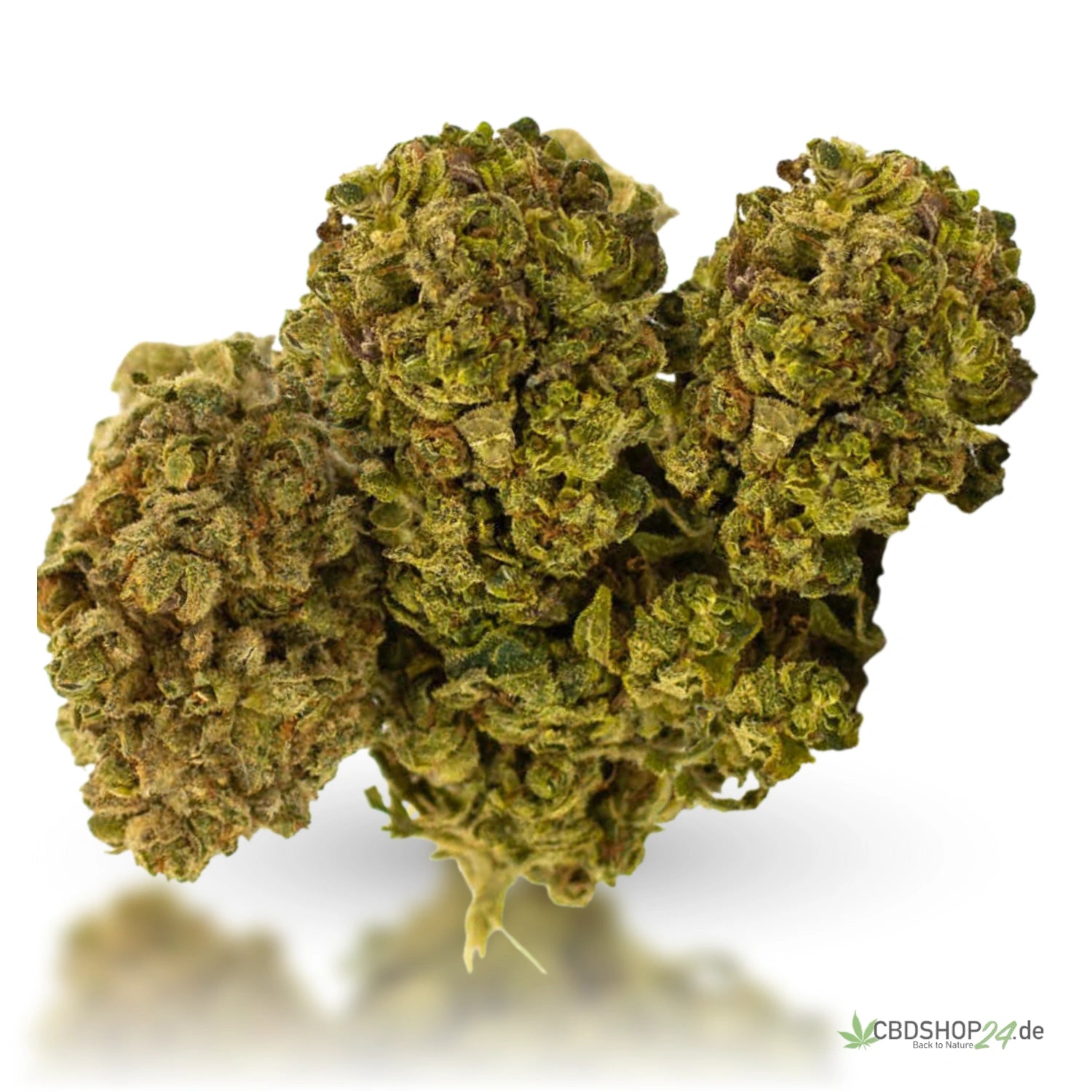
Flowers or Vape products work noticeably faster because when inhaled, CBD goes straight into the blood via the lungs. This makes them interesting for people who want acute effects, for example with stress or pain. The dosage is more difficult here, because each Flower or Cartridge has a different content and the amount per puff varies a lot.
CBD gummies or capsules are practical when you’re on the go. They have a fixed active ingredient content, usually between five and 25 milligrams per piece. But you’ll need more patience: absorption happens through the gastrointestinal tract and takes longer before you feel anything. On the other hand, the effect lasts longer – often four to six hours.
- CBD oils (drops): Good starter option. You can dose relatively precisely. effects usually starts after 15–45 minutes (with sublingual use).
- CBD Flowers or vaporizing/inhalation: effects comes faster, dosage is harder to control. With vapes, for example, it’s crucial how many puffs you take and how strong the concentration is. Example: With 20% CBD content, 1 g of Flower contains about 200 mg of CBD.
- CBD gummies/capsules: Easy to take – but effects kicks in more slowly (possible delay due to digestion). Dosage is written on the package, but bioavailability may be lower.
- vapes (e-Liquids): Very variable in dosage. Important: concentration per ml, number of puffs, absorption speed. Recommendation: start with just a few puffs.
What you should pay attention to when dosing
Regardless of the product, the following applies: listen to your body. If you get tired, unfocused, or dizzy, the dose was probably too high. In that case, just reduce it and observe for a few days. With regular use, it can make sense to take a short break after a few weeks so your body doesn’t get too used to the active ingredient.
If you’re taking medication, you should be careful. CBD can slow down the breakdown of certain active ingredients in the liver, for example with blood thinners or antidepressants. In this case, talk to your doctor or pharmacist before you use CBD long term.
Also important: pay attention to the origin and quality of your product. Only choose CBD from EU-certified industrial hemp that contains less than 0.3% THC, and check whether independent lab analyses are available. You should avoid products without proof or with questionable ingredients.
What you need to know about your daily dose
Finding the right CBD dose isn’t an exact science, but more of a trial-and-error process. Start with a small amount, observe yourself, and slowly increase until you reach the effects you want. Most users end up somewhere between 20 and 50 milligrams of CBD per day, depending on body weight, goal, and product form.
Oil is good for precise dosing, gummies for easy use, Flowers and vapes for fast effects. What matters is that you take your time and take your body seriously. If you stick to these basic rules, you’ll quickly find out how much CBD per day is ideal for you – gentle, safe, and totally stress-free.
Dosage summary
- There’s no “perfect” daily dose for everyone.
- Typical lower ranges: around 20–40 mg/day; higher ranges: 100 mg+ depending on goal and product.
- Your dosage depends on your body, goal, product form, and quality.
- Oil, gummies, vapes differ in absorption, onset speed, and how easy they are to dose.
- Start low, watch yourself, increase if needed, and pay attention to product quality.