


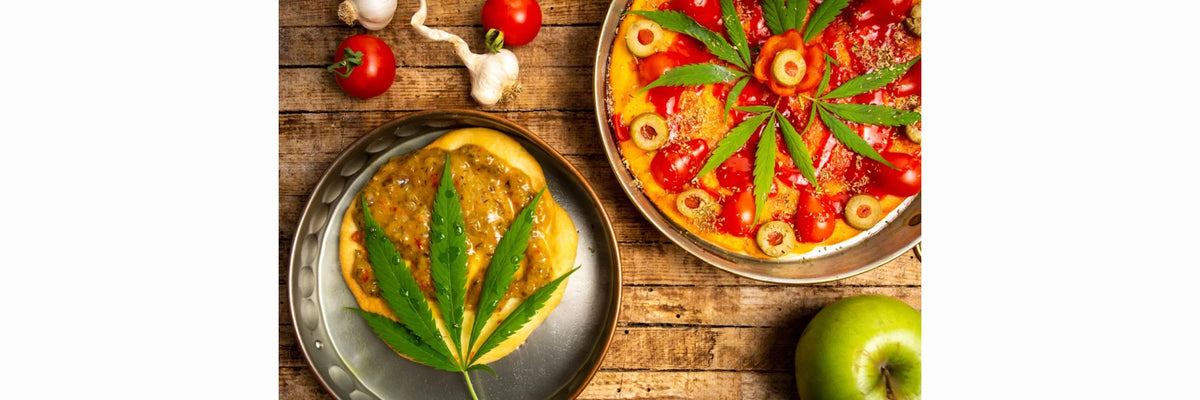
A healthy and sustainable diet has become especially important these days. More and more people are thinking about changing their eating habits, cutting out animal fats and sugar completely, and eating more vegetarian or even vegan. To live in a more health-conscious way and still get all the most important vitamins, many people turn to foods with hemp – the ultimate superfood. But what exactly makes hemp so special? Which vitamins and nutrients can you expect when you eat hemp foods? In this blog post, you can find out more about hemp in food and how hemp can affect your health.
What is hemp? – The versatility of the hemp plant
Hemp is one of the oldest cultivated plants in the world. The oldest findings suggest that hemp fibers were used to make ropes. Besides hemp fibers, hemp shives are also used, as well as hemp seeds for producing hemp oil, and hemp flowers and leaves for making essential hemp oils. Thanks to new cold-pressing methods, it’s now even possible to obtain hemp juice from the upper part of the plant as a food product. This hemp juice forms the basis for various products in the fields of food, medicine and cosmetics.
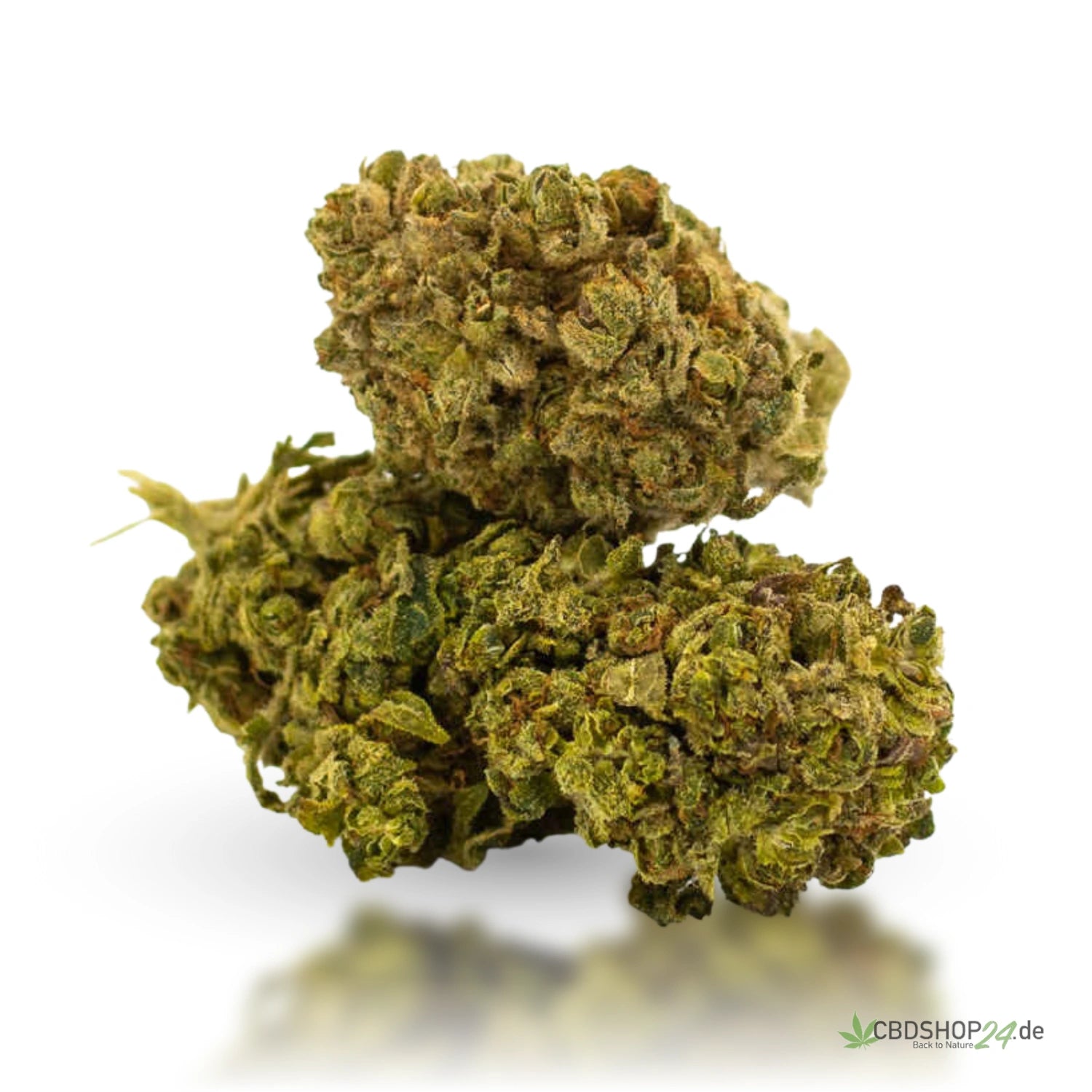
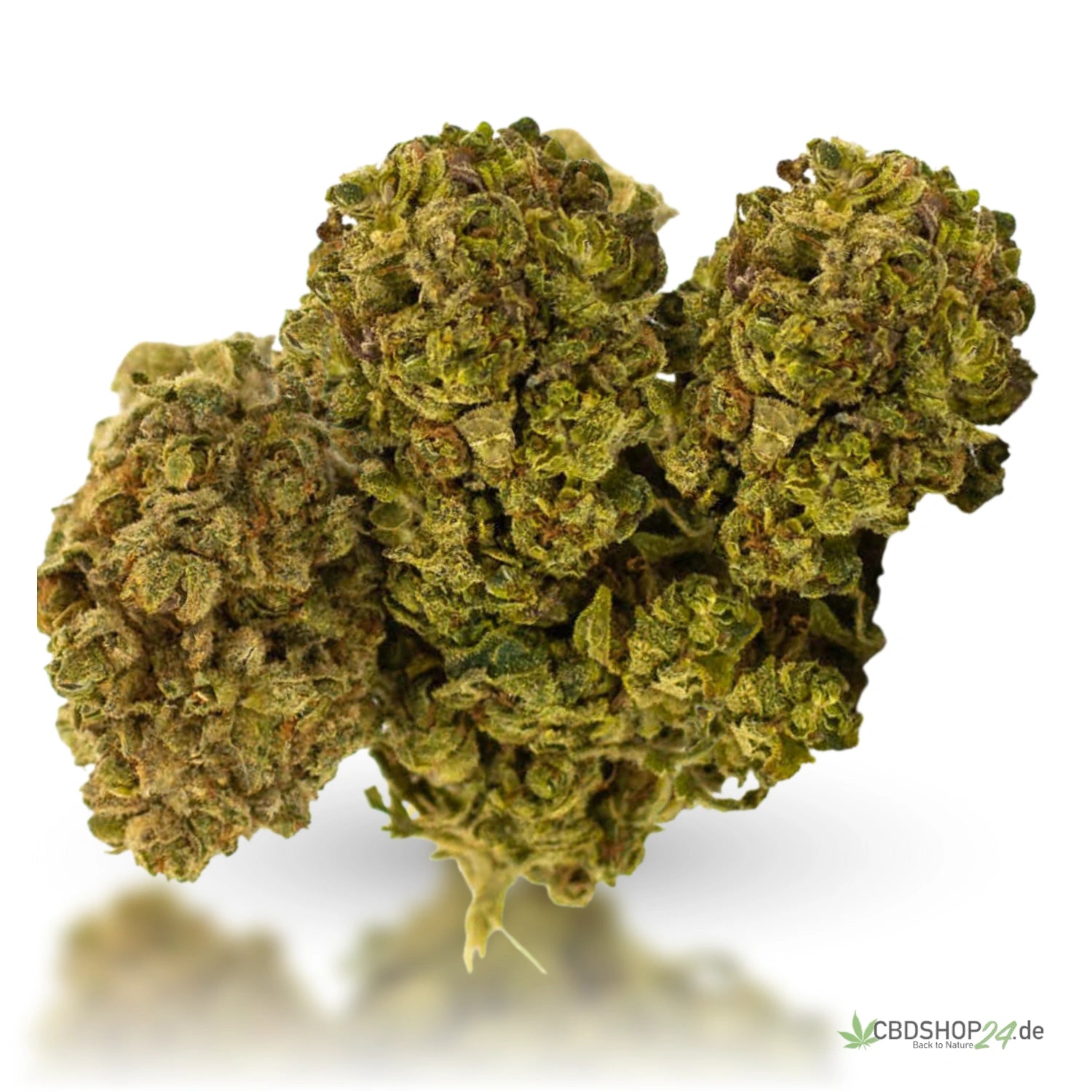
The hemp seeds and the oil pressed from them are considered extremely healthy. Without any further processing, the seeds can be used as food. The seeds can be turned into hemp flour, but also into hemp butter, which is similar to peanut butter, or into hemp soup. But you don’t need to worry: hemp seeds contain no THC or other psychoactive or intoxicating substances. THC is only found in the Flowers and in the small leaves near the flowers of the female hemp plant.
What are hemp foods?
Industrial hemp is being used in more and more products – for example as hemp milk, hemp oil, hemp tea, hemp flour, as an ingredient in cookies or other dishes. Hemp has also become established in the cosmetics industry, so you can also find skin creams or lip care with hemp.
The different hemp foods are made from the seeds of the hemp plant. You can enjoy these hemp seeds on their own, add them to your muesli or salad, or process them into hemp flour and bake your own bread. On top of that, hemp seeds stand out for their delicious, slightly nutty aroma. Hemp oil, on the other hand, is super versatile in cold dishes, for example in salads.
How healthy is hemp in food?
Hemp foods are super healthy and, thanks to their high nutrient content, a perfect addition to your daily diet. By nature, hemp is gluten-free and lactose-free and therefore a good alternative for people with allergies. The following properties make hemp seeds a real superfood:
- high content of plant-based proteins,
- rich in omega-3 and omega-6 fatty acids,
- they contain the most important trace elements magnesium, iron, zinc and calcium ,
- vitamin B1, B2 and vitamin E to better reduce stress and support muscle recovery,
- lots of fiber for a quicker feeling of fullness,
- they also contain all essential amino acids the human body needs.
As a high-quality superfood, hemp seeds and hemp products enrich your balanced diet. Hemp seeds contain 28 to 35% fat, 30 to 35% carbohydrates and 20 to 24% protein. They’re easy to digest and can replace animal protein.
Hemp foods are also ideal for vegetarians and vegans, because hemp protein is a great substitute or healthy alternative to meat or milk. This protein contains all eight amino acids that are essential for muscle building and cell health and that the body can’t produce on its own. This also includes gamma-linolenic acid (GLA), which is extremely rare in its natural form. GLA is said to have a positive effects on neurodermatitis and arthritis symptoms. The high concentration of vitamin B2 compared to conventional protein sources is, among other things, essential for the development of stress hormones and for eye and skin health.
Besides hemp seeds, hemp oil is also considered a nutritious food. Hemp nuts (the hulled seeds) and hemp oil contain more than 90% polyunsaturated fatty acids. Thanks to its balanced fatty acid profile, hemp oil is a very valuable culinary oil.
How is hemp processed for food?
Hemp seeds can be used as food without any further processing. You can buy them roasted or unroasted. There are also hemp nuts, which are the unhulled seeds of the hemp plant. You should ideally eat hemp seeds or nuts unheated, so that the rich nutrients are preserved. These support digestion, the immune system and the cardiovascular system.
Hemp oil is pressed from the hemp seeds and can support a healthy diet. First, the hemp seeds have to be carefully hulled. The hemp nuts are then pressed in an oil mill – the recommended method is cold pressing, since the pressing temperature is around 40°C to 60°C, so the valuable nutrients in the hemp oil aren’t damaged or reduced by heat.
Hemp oil is also valuable in medicine: the oil is used to treat inflammations of the ears, nose and throat, and it can also be useful for inflammatory skin conditions.
Hemp in food: conclusion
Hemp foods support a healthy and sustainable diet with the most important vitamins. Hemp seeds are especially important – they contain many vital nutrients, are rich in polyunsaturated fatty acids, meaning omega-3 and omega-6 fatty acids, B and E vitamins, essential amino acids and antioxidants that are relevant for muscle building and cell health. As a superfood, hemp is a real boost for a conscious diet.
Vegetarians, vegans and people with allergies can also benefit from this superfood, since hemp can replace animal protein and is gluten- and lactose-free. Whether as a topping for your salad or as a main ingredient in the form of oil – foods with hemp will have a positive effect on your health. In our online shop you’ll find hemp foods if you want to ease into it. If you have any questions, you can of course reach us by email. We hope you have lots of fun with your new meal plan!
Sources
https://www.sueddeutsche.de/CBD/hanf-lebensmittel#:~:text=Kann%20man%20Hanf%20essen%3F,k%C3%B6nnen%20zu%20Hanf%C3%B6l%20weiterverarbeitet%20werden. (accessed on 12/06/2022)
https://www.ndr.de/ratgeber/verbraucher/Produkte-aus-Hanf-bedenklich-oder-gesund,hanf182.html (accessed on 12/06/2022)
https://www.barmer.de/gesundheit-verstehen/cannabis/CBD-hanf-1132202 (accessed on 12/06/2022)