


Table of contents
- What does “calories” even mean? ›
- How does the body absorb calories? ›
- Do vapes have calories in the classic sense? ›
- How do vapes work technically? ›
- Can flavors or terpenes contain calories? ›
- Inhaling vs. eating—the key difference ›
- Do e-cigarettes or nicotine vapes have calories? ›
- Does vaping matter for dieting or fasting? ›
- Common myths about vapes & calories ›
- So? Do vapes have calories? ›
When it comes to vaping, it's usually the flavor, the ingredients, or the cannabinoid used that matter most. Calories rarely play an obvious role here. But what's the deal? Do vapes have calories? So, do vapes give your body energy, or is it in any way comparable to calories? To get a better idea, let's take a look at ingredients, how they're absorbed, and what calories actually mean.
In everyday life, calories are almost always linked to eating and drinking. Anything that tastes sweet or smells strong gets associated with calories pretty quickly. But vaping doesn't work the same way as food. That's where a lot of misunderstandings start, but with a bit of background knowledge, they're easy to clear up.
What does “calories” even mean?
Calories are a unit of energy. More specifically, they describe how much energy your body can get from food or other consumables when they're metabolized. This energy is needed to keep your body running, move your muscles, or generate heat. The key thing is that a substance has to be absorbed through your digestive system and processed chemically.
How does the body absorb calories?
For calories to matter to your body, certain processes have to happen. You don't get energy just by touching or tasting something—it comes from actively taking it in and processing it in your body. Your body relies on some pretty specific pathways for this.
- Absorbing through solid food
- Absorbing through drinks
- Digestion and conversion in the digestive tract
Anything that doesn't go through these steps usually doesn't give your body usable energy in the classic sense. By the way, you can find out how CBD is absorbed in the body here.
Do vapes have calories in the classic sense?
vapes are inhaled, not eaten or drunk. The vapor goes into your lungs and is partly absorbed, partly exhaled. There's no digestion involved. Without that process, there's no way to make calories usable.
Even if some ingredients in a vapes theoretically had a caloric value, inhaling them doesn't process them like food does. That's why vapes can't be compared to products with calories, even if the taste or aroma might make you think otherwise.
How do vapes work technically?
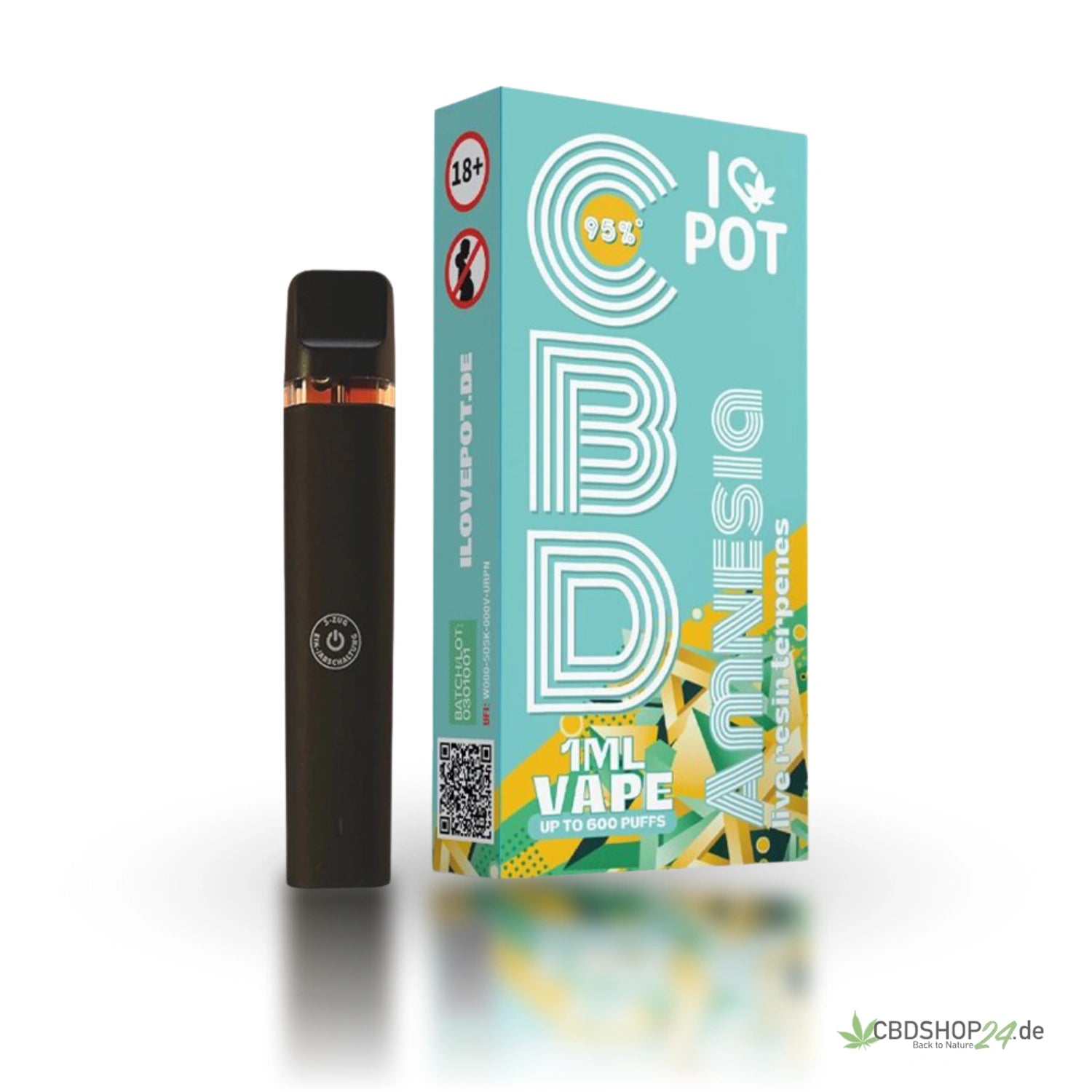
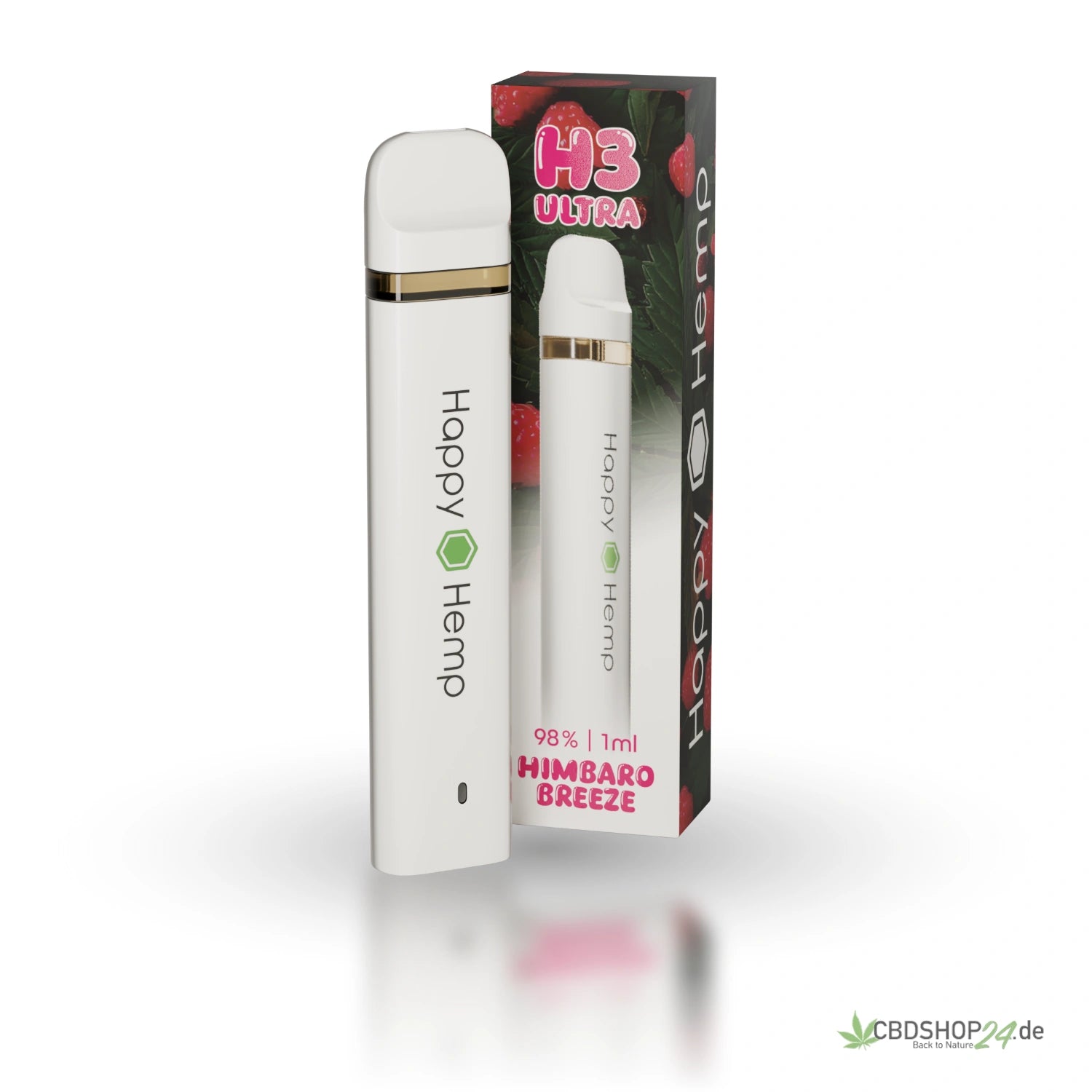
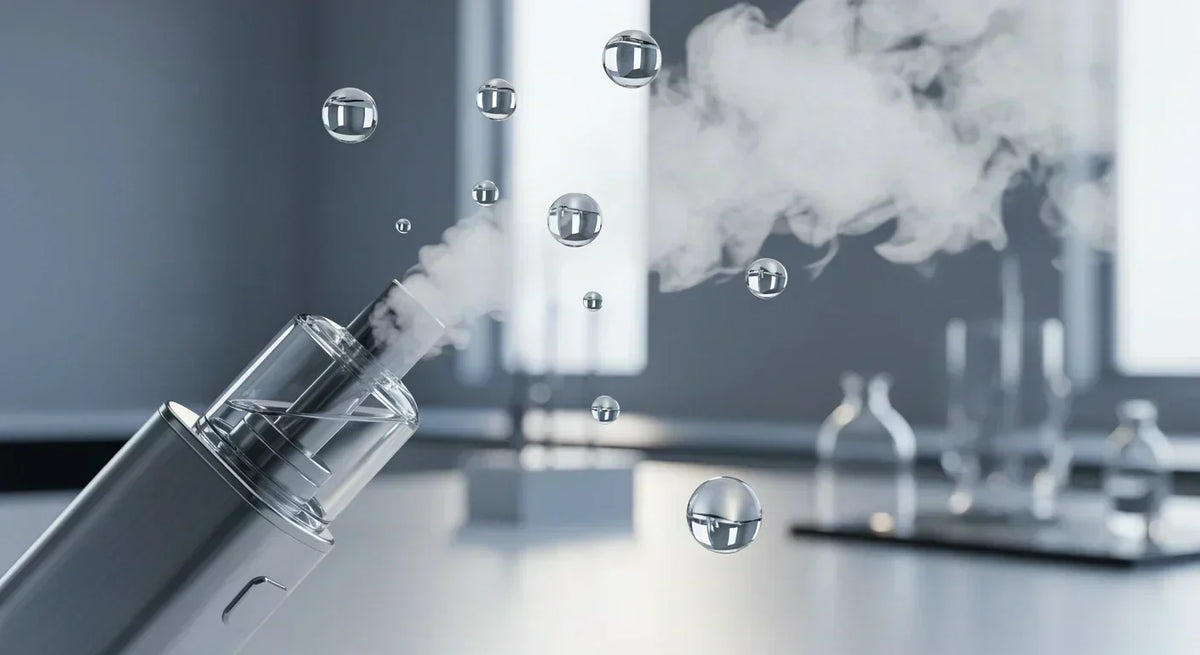
All Vape devices are based on a clear technical principle. A liquid or distillate is heated up, but not burned. This creates an aerosol that you inhale. The goal is to take in certain ingredients—not to get energy.
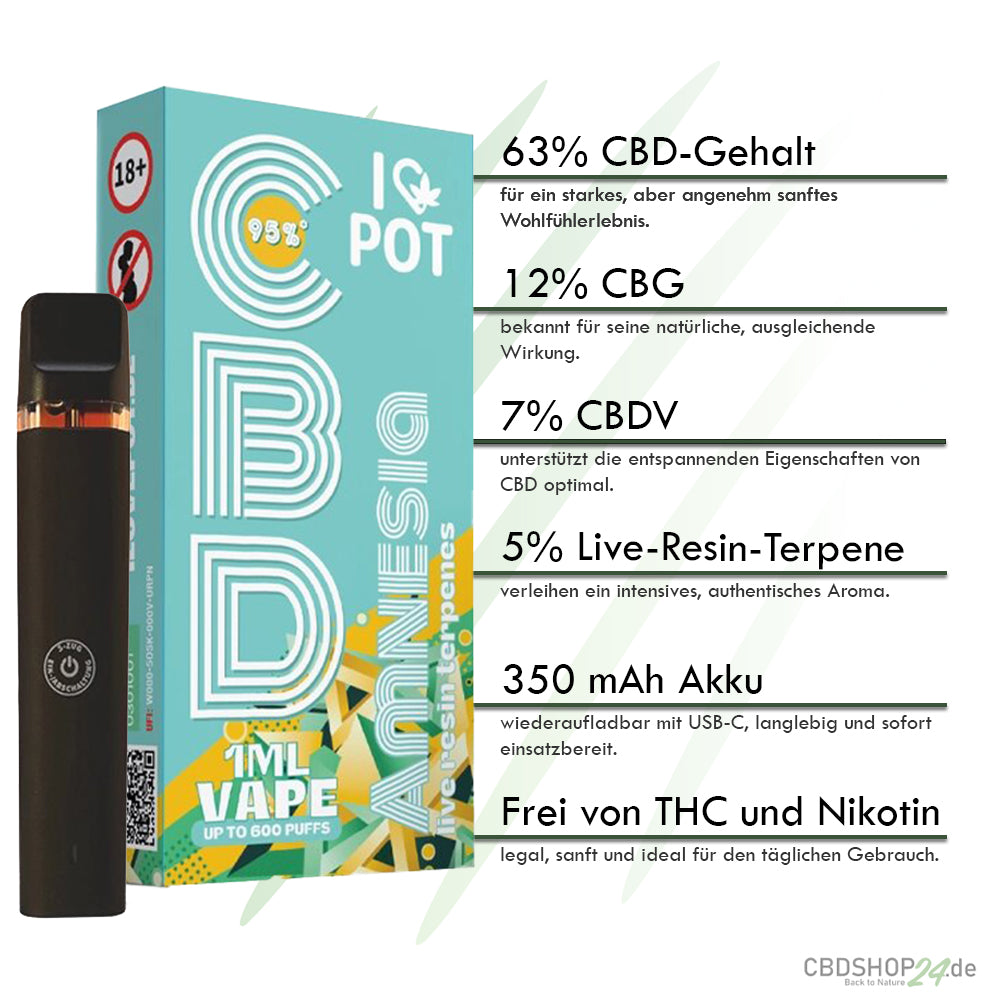
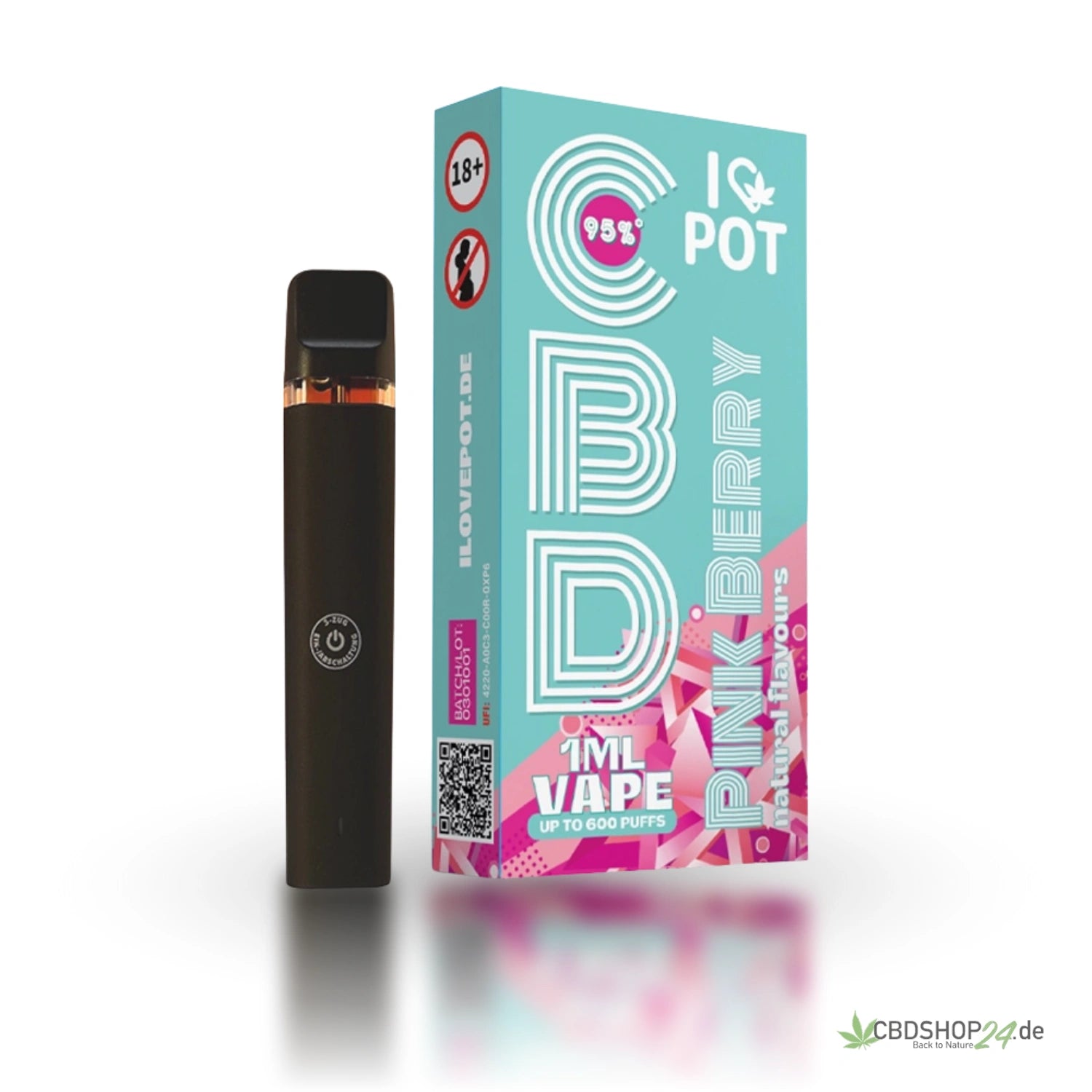
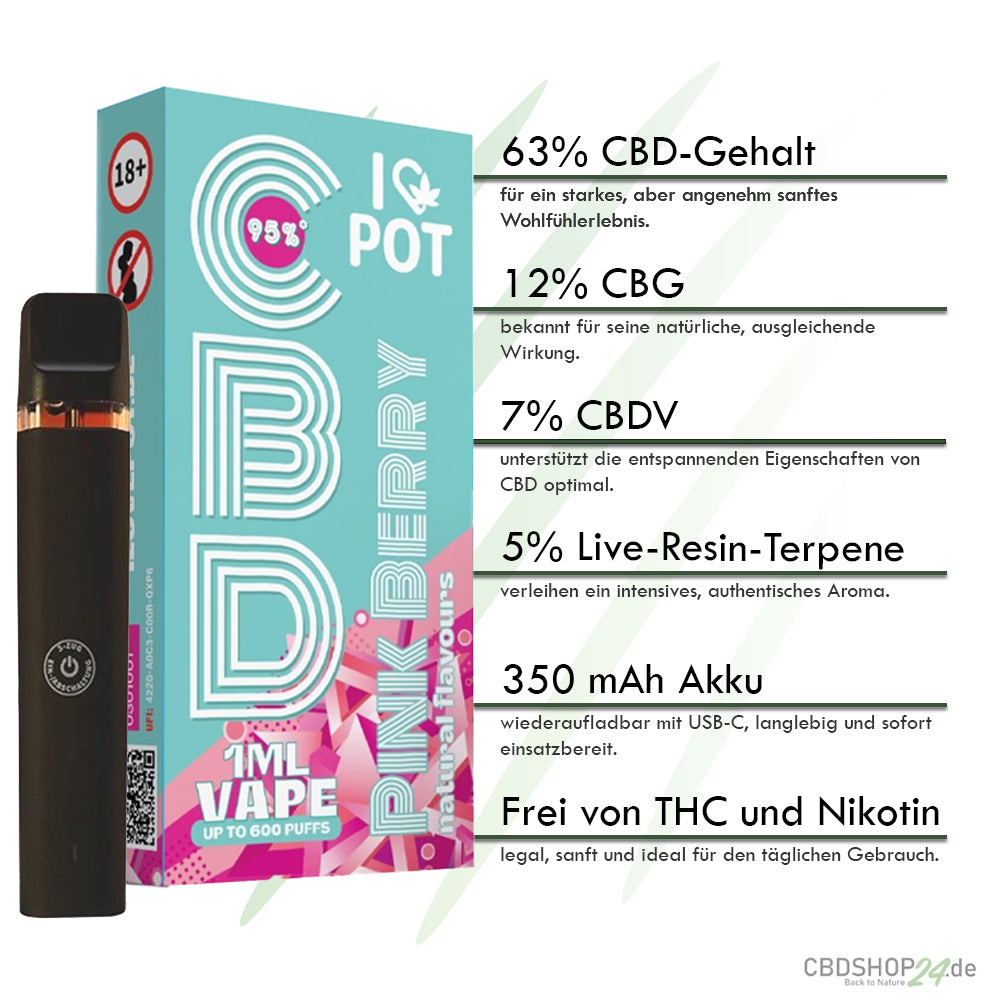
Typical ingredients in an HHC vapes are:
- CBD-Liquid
- Terpenes for flavor
- Small amounts of carrier substances
- Vaporizer hardware with a heating system
None of these components are meant to give your body calories or act as an energy source.
Can flavors or terpenes contain calories?
Flavors and terpenes are what give a vapes its taste and smell. They can seem sweet, fruity, or spicy without actually containing sugar or other energy-rich substances. What you taste and smell comes from your senses, not from the calorie content.
Terpenes are found in lots of plants and aren't considered an energy source there either. When vaping, they're used in tiny amounts and aren't digested. So there's no connection between flavor and calorie intake.
Inhaling vs. eating—the key difference
The biggest difference between vapes and food is how they're absorbed. Food is chewed, swallowed, and digested. Nutrients are broken down and made available to your body as energy. This process is complex and takes time.
When you inhale, the vapor goes straight to your lungs. Certain substances are absorbed through the mucous membranes there. There's no conversion into energy. No digestion, no calories: That's why vaping isn't the same as eating.
Do e-cigarettes or nicotine vapes have calories?
It's pretty much the same with regular e-cigarettes. Their ingredients are a lot like those in vapes, at least when it comes to how they work. The difference is in the active ingredient, not in how they're absorbed.
Typical features are:
- Inhalation instead of digestion
- No processing in the metabolism
- No significant energy intake
That's why nicotine vapes aren't considered to have calories either, even if they taste sweet or strong.
Does vaping matter for dieting or fasting?
Whether vaping and fasting go together is less about calories and more about your personal philosophy.
Since e-cigarettes don't give your body usable energy, your metabolism isn't affected from an energy perspective. Whether vaping is part of your break or fasting routine is totally up to your own rules: For some, it's a calorie-free treat; for others, it's a conscious choice to skip all extras.
Common myths about vapes & calories
There are a few ideas about vapes that don't really hold up. They usually come from linking flavor, vapor, and familiar foods.
- Sweet taste always means sugar or sugar substitutes (like with flavored teas)
- Vapor is processed in the body like food
- Inhaling leads to calorie intake
These claims can be put into perspective because there's no digestion involved.
So? Do vapes have calories?
To sum it up, vapes don't give your body calories in the classic sense. They're inhaled, not digested, and aren't meant to provide energy. Flavor, aroma, or vapor density don't change that. Calories only come into play when substances are absorbed and processed through the digestive system.
If you're thinking about calories, you can't really compare vapes to food. The way they're absorbed is totally different. From an energy perspective, calories don't matter when it comes to vaping.