





Table of contents
- Basics: How cannabidiol works in the body ›
- Theoretical mechanisms of action in connection with weight regulation ›
- Methodological challenges of previous research ›
- Dosage forms: CBD oil, drops or edibles ›
- Individual perceptions and science ›
- Dosage in the context of weight management ›
- What you should take with you about CBD and losing weight ›
CBD for weight loss is increasingly being discussed as a natural supplement in weight management. More and more people are interested in natural approaches that can support personal weight management. Cannabidiol is often mentioned in connection with appetite regulation, metabolism and internal balance. At the same time, the question arises as to what is scientifically based and where there is still a need for research.
This article shows which connections are currently being investigated, which studies there are and how CBD can be realistically classified within the framework of a conscious lifestyle.
Basics: How cannabidiol works in the body
The endocannabinoid system and energy balance
Cannabidiol (CBD) acts on the so-called Endocannabinoid system (ECS). This system is involved in numerous regulatory processes, including appetite control, energy storage, glucose metabolism, and stress responses. It contributes significantly to maintaining homeostasis.
Unlike THC, CBD does not directly bind strongly to the classic CB1 and CB2 receptors. Instead, it indirectly modulates various signaling pathways and influences enzymatic processes.
Particularly relevant in the context of weight management is the role of the ECS in controlling hunger and satiety signals. Dysregulation of this system is associated with obesity. This gave rise to the hypothesis that regulatory interventions, for example through cannabinoids, could potentially have an influence on body weight.
Theoretical mechanisms of action in connection with weight regulation
In scientific discussions, several mechanisms are mentioned through which CBD could have an indirect effect on weight. To date, these mechanisms are predominantly of a theoretical or preclinical nature. The following are discussed in particular:
- possible modulation of appetite
- Influence on insulin sensitivity
- Involvement in inflammation-related metabolic processes
- Activation of brown adipose tissue
- Regulation of stress-related eating behavior
A central aspect is the assumption that CBD, in contrast to THC, does not have an appetite-stimulating effect. Some research suggests that cannabidiol may stabilize rather than stimulate eating behavior. However, it is not clear whether this has a relevant effect on body weight.
Systematic review (2022): Appetite and body weight
A 2022 systematic review analyzed several clinical studies on the connection between CBD, appetite and weight changes. The aim was to bring together existing human studies and make their results comparable.
The results did not show a consistent picture. Some of the studies reported a reduction in appetite or a slight weight loss. Other studies found no statistically significant effect. Individual studies even documented an increase in appetite.
Methodological differences need to be assessed particularly critically. The dosages varied greatly, as did the duration of the study and the groups of people examined. In some cases, the focus was on neurological or psychiatric illnesses, with weight changes only recorded as a side effect.
The authors of the review therefore expressly emphasized that the evidence is not sufficient to recommend CBD as a weight loss measure.
Randomized trial with THCV and CBD (2025)
A recent placebo-controlled study examined the combined administration of THCV and CBD over 90 days. In the higher dose group there was a significant reduction in body weight and waist circumference compared to the placebo group. Improvements in certain metabolic parameters such as LDL cholesterol and systolic blood pressure were also observed.
These results are scientifically relevant because they were a controlled study design. However, there are limitations. CBD was not administered in isolation, but in combination with THCV, another cannabinoid that can have independent metabolic effects. A clear attribution of the effect to CBD alone is therefore not possible.
In addition, the sample size was limited and the study duration was relatively short. More extensive studies are required for long-term statements on weight regulation.
Preclinical research: fat cells and thermogenesis
Further studies provide mechanistic evidence for possible metabolic effects of CBD. Studies have shown that cannabidiol can influence gene expression in adipocytes. A possible promotion of the so-called "browning" processes, in which white adipose tissue takes on the properties of brown fat, is particularly discussed.
Brown fat is metabolically more active and is involved in heat production. Increased activity could theoretically lead to increased energy expenditure. In addition, some preclinical work shows evidence of a reduction of inflammatory processes in fatty tissue.
These laboratory findings are not directly transferable. Preclinical results serve as a basis for further research, but do not replace clinical evidence.
Methodological challenges of previous research
A central problem when evaluating CBD in the context of weight management is the heterogeneity of the studies. Many studies have the following limitations:
- small samples
- short observation periods
- different dosage regimens
- lack of standardization of products
- inconsistent measurement parameters
In addition, weight changes are often not defined as a primary endpoint. This limits the informative value. The individual variability of metabolism also plays a role. Different genetic requirements, lifestyle habits and initial weights have a significant influence on the result.
Dosage forms: CBD oil, drops or edibles
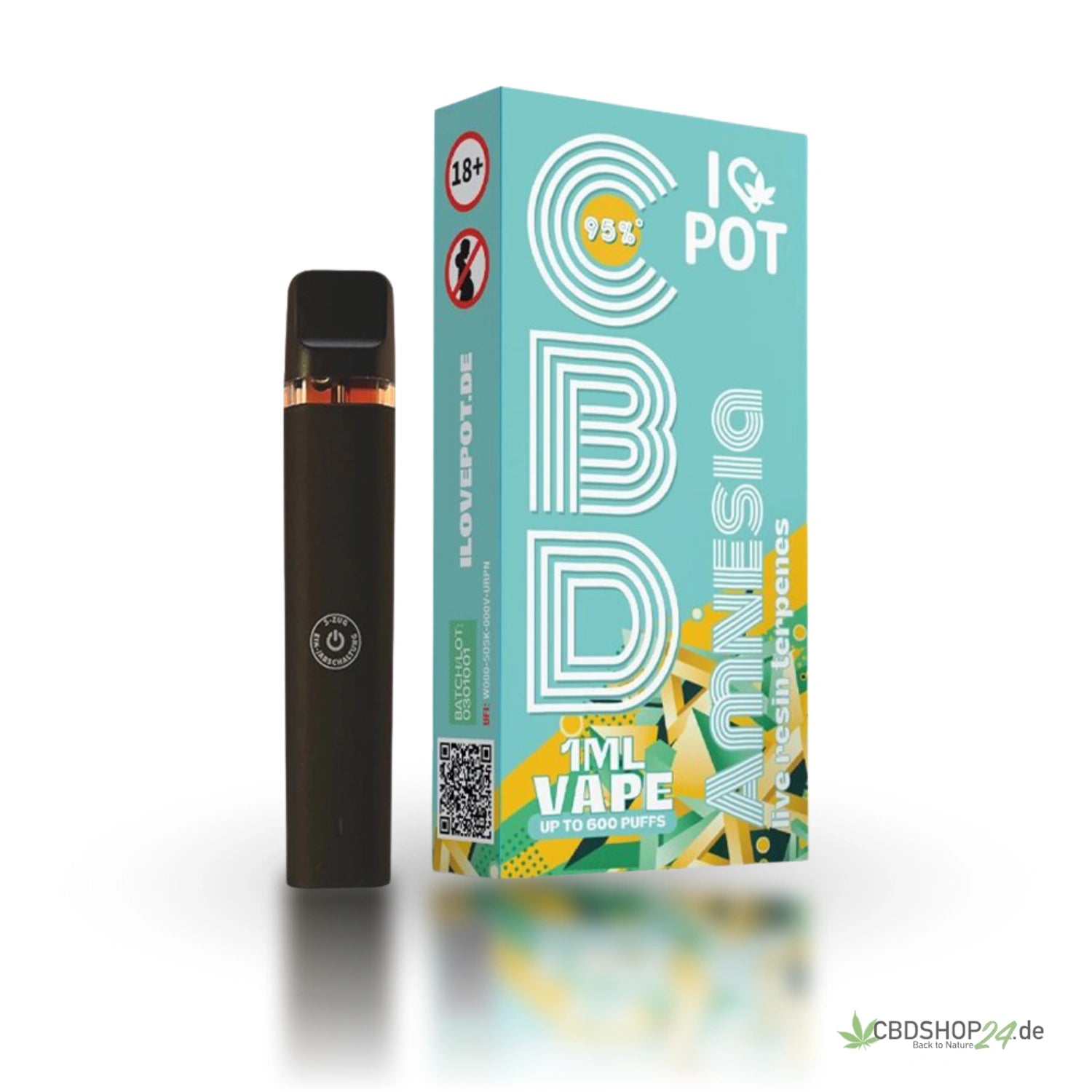
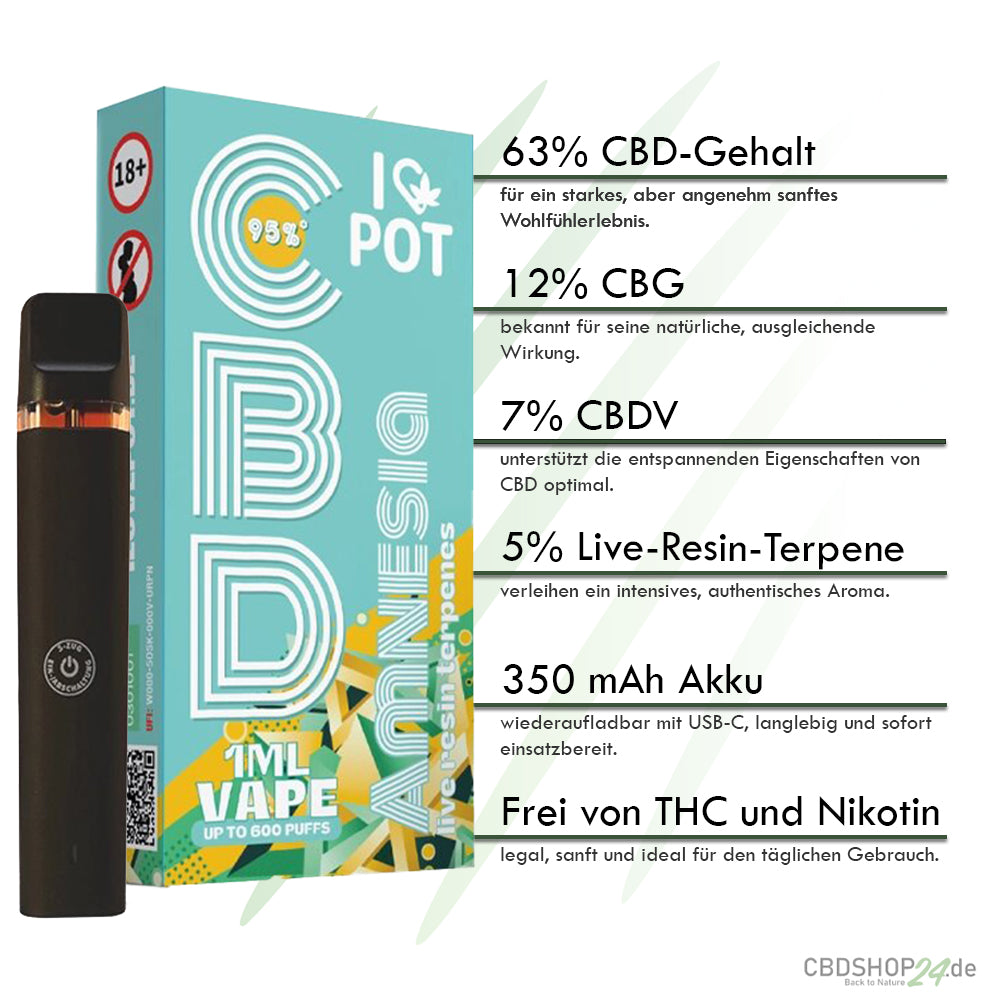
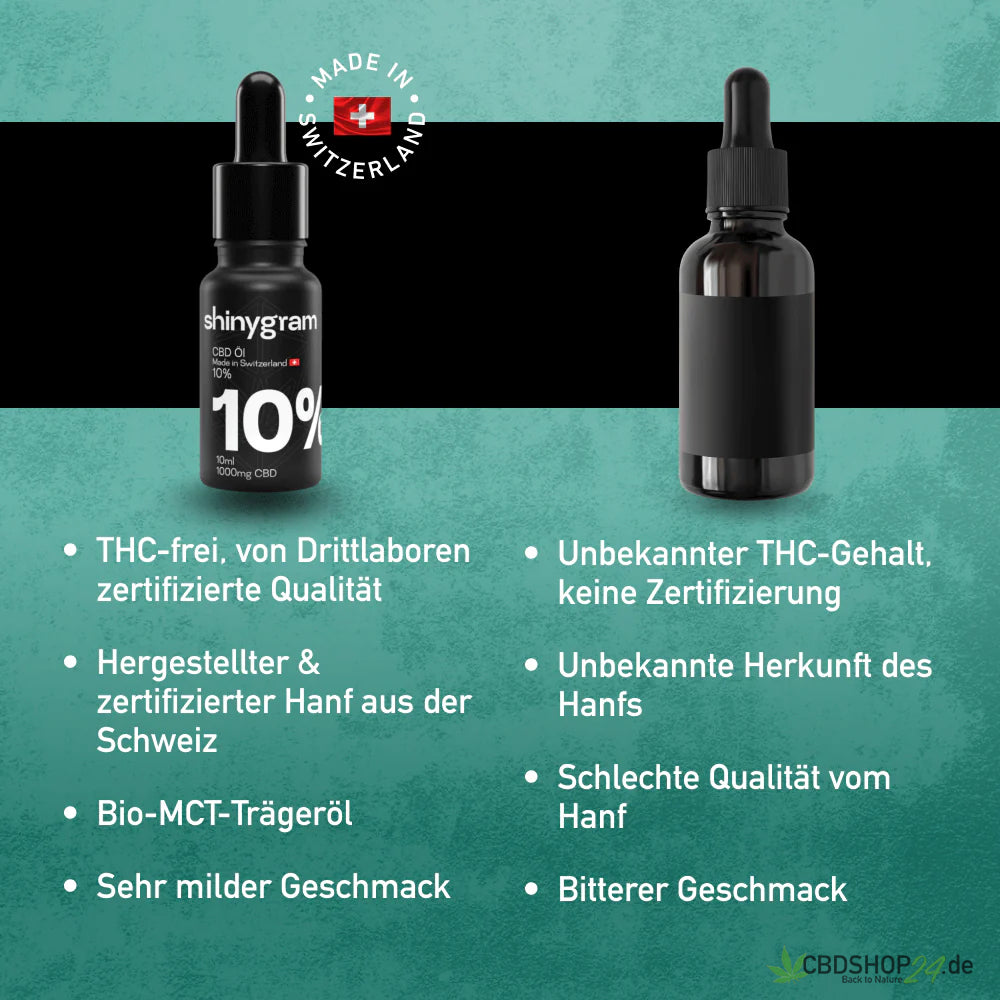
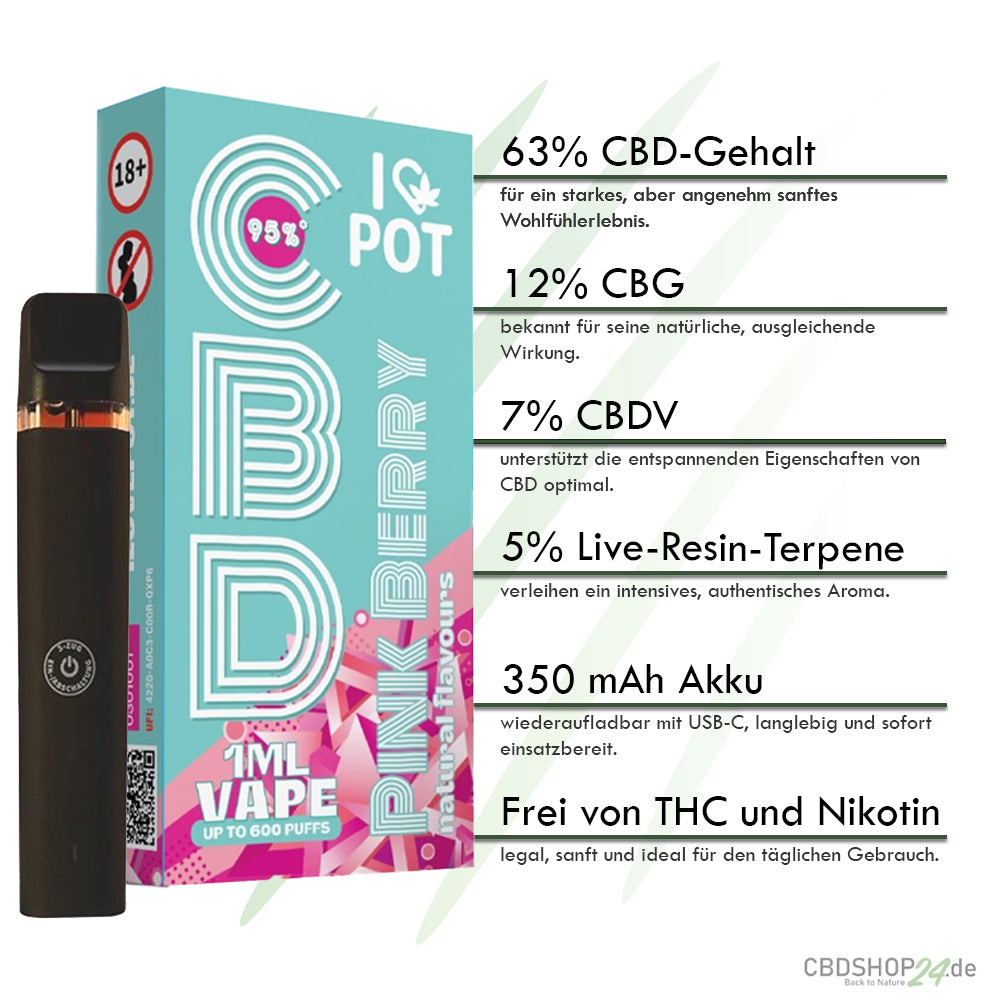
In connection with CBD for weight loss, users use different product forms. The most commonly used are CBD oil or drops that are applied sublingually. There are also edible versions such as capsules or gummy products. Here you can read more about the myth Vapes and calories.
The dosage form primarily influences the bioavailability and the speed of onset of action.Drops enter the bloodstream relatively quickly, while edible products must first be metabolized.
There are no specific clinical studies for any of these forms that prove a superior effect in terms of weight loss. The choice should therefore be based on individual preferences, not on the basis of expected fat burning.
Individual perceptions and science
Individuals report changes in eating behavior or a more stable everyday structure in connection with CBD. Such reports often refer to reduced stress levels or a more balanced feeling in everyday life.
These perceptions are collected individually and not in a standardized manner. They can provide information about subjective effects, but do not replace controlled studies. In addition, weight changes usually occur as a result of the interaction of various factors, including diet, physical activity and sleep quality.
An isolated assessment of the effect of CBD is therefore methodologically difficult.
Dosage in the context of weight management
A specific dosage recommendation for CBD for weight loss does not exist and cannot be made. Different amounts have been used in clinical studies and vary greatly. There is no scientifically established “weight loss dose”.
Every body reacts differently. It is generally recommended to start with a low dosage and gradually adjust it if necessary. Individual factors such as body weight, metabolism, product concentration and personal sensitivity play a role.
CBD is not an approved medicine for the treatment of obesity. An application should therefore be classified realistically and not viewed as a primary strategy for weight loss.
What you should take with you about CBD and losing weight
The current study situation shows approaches to possible connections between CBD and metabolic processes. Systematic reviews produce inconsistent results. Combination studies with other cannabinoids are promising, but do not allow for an isolated evaluation of CBD. Preclinical studies offer theoretical explanatory models, but do not replace human studies.
According to the current state of research, CBD is not sufficiently proven for weight loss. Cannabidiol can influence regulatory processes in the body, but a reliable, independent effect on weight loss has not yet been scientifically proven.
Sustainable weight regulation continues to rely primarily on a balanced diet, regular exercise and long-term behavioral adjustments. CBD can - if at all - only be viewed as a complementary factor within a comprehensive lifestyle concept, not as a standalone solution.